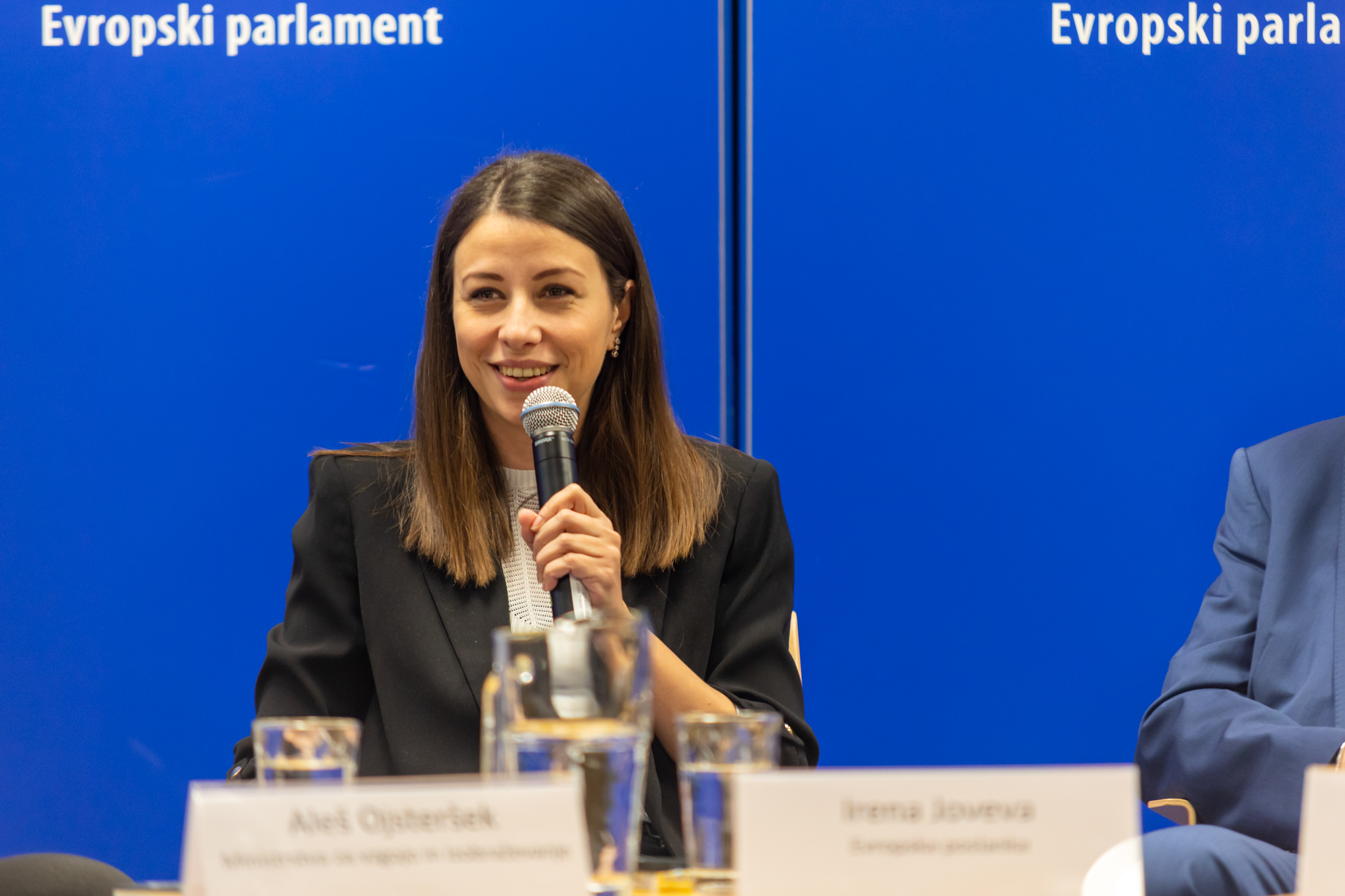
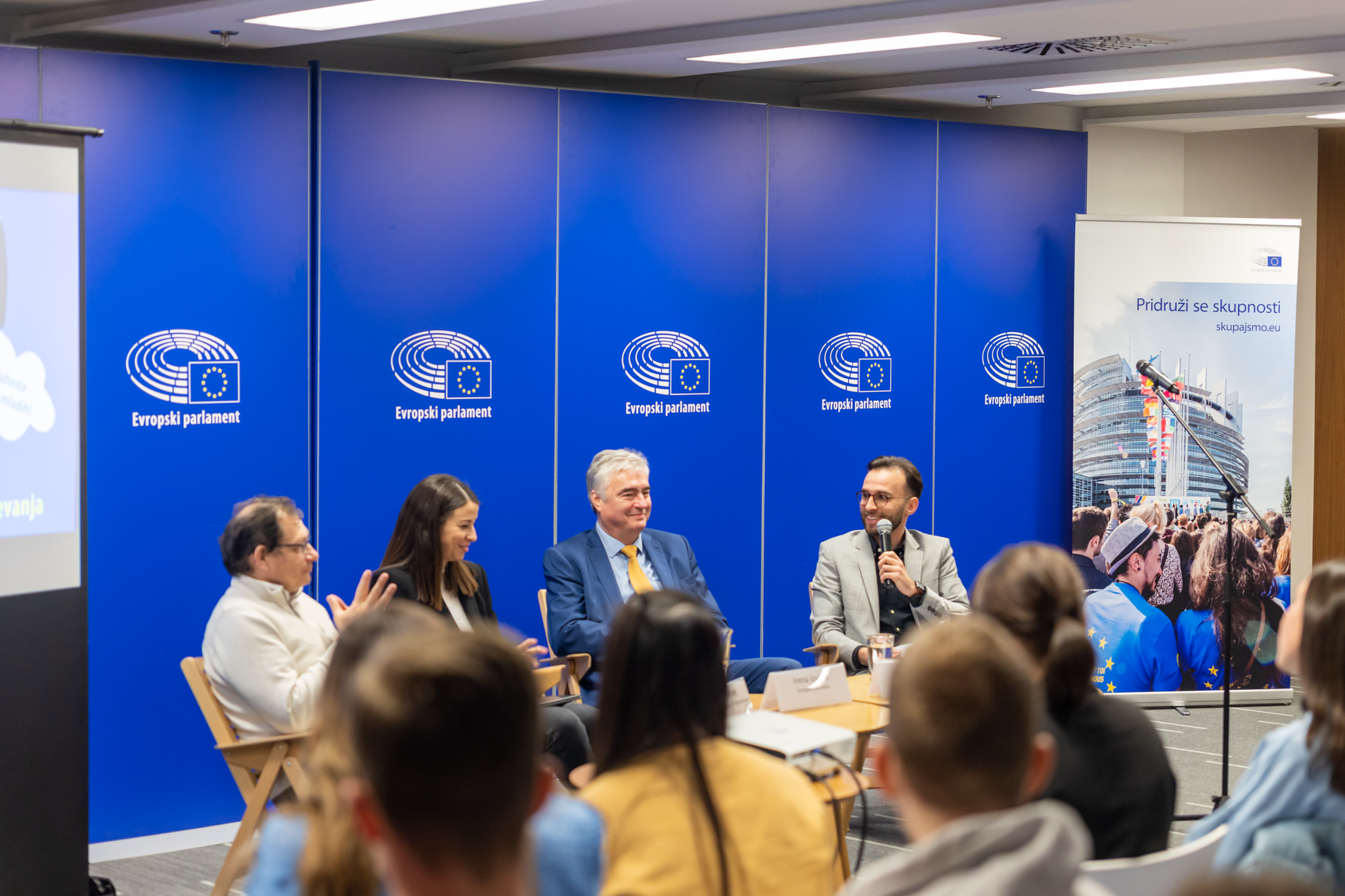
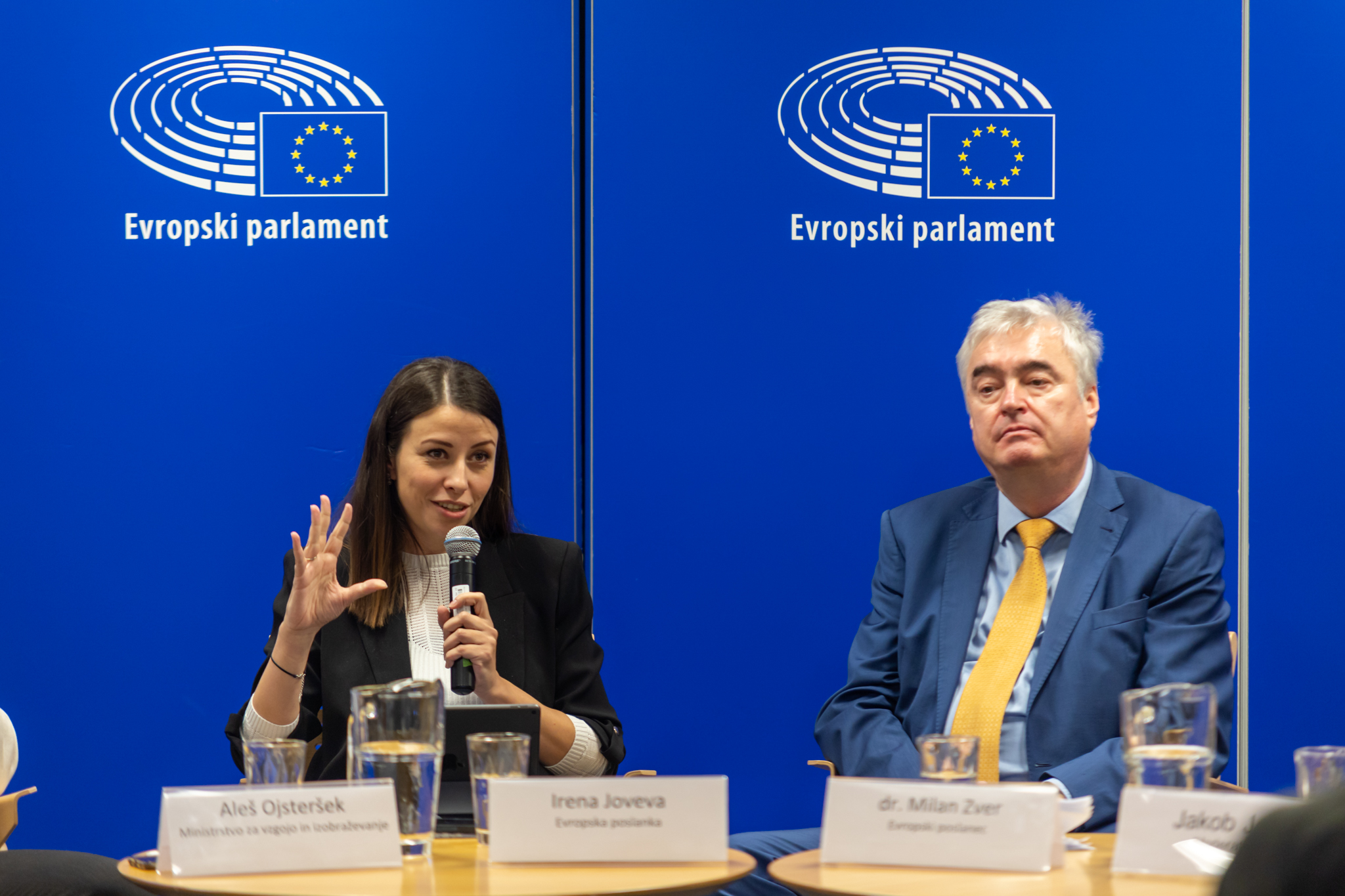
My motivation and why exactly traineeship with Irena Joveva?
Every story has to start somewhere, and mine began one day when I came across a call for traineeship at the Brussels’ office of MEP Irena Joveva. I decided to apply because I study International Relations at the Faculty of Social Sciences and because I have always been interested in politics, diplomacy, international law and history.
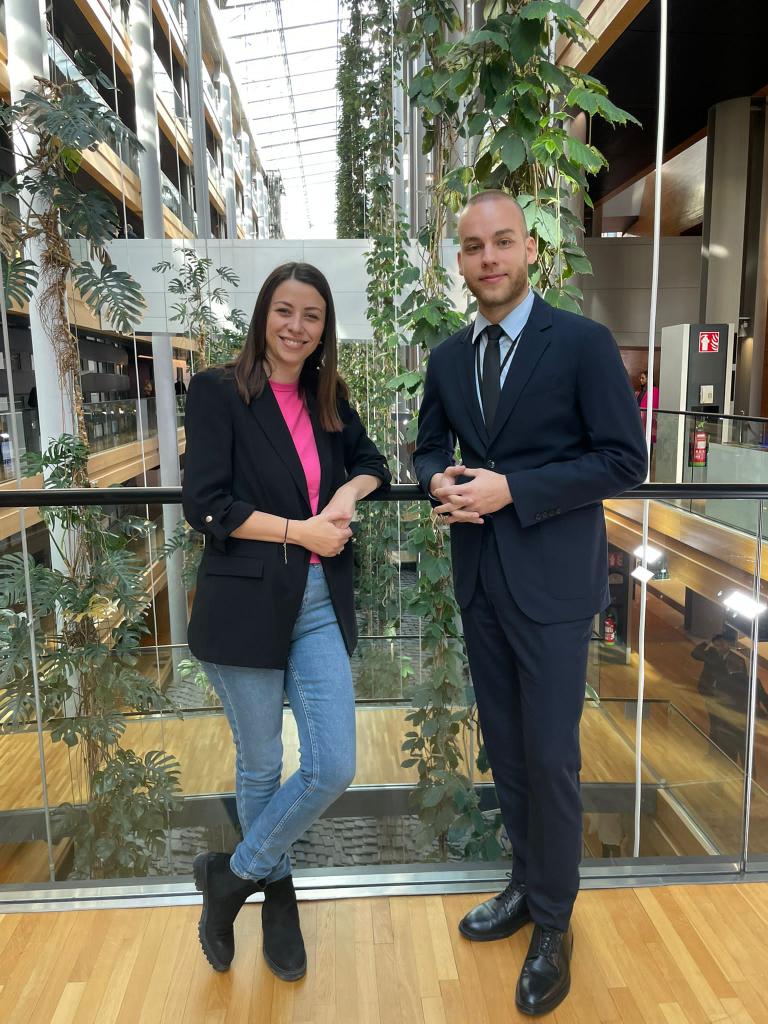
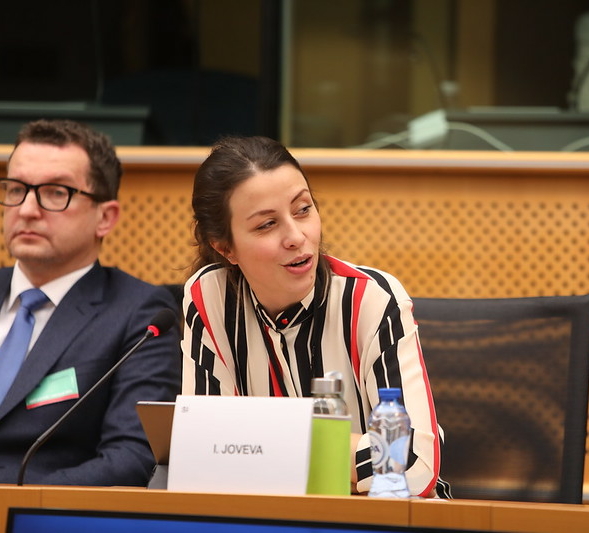
What motivated me to do a traineeship with Irena Joveva was that we share the same values, that Irena does not promise everything to everyone, but when a promise is made she delivers on it, and she always puts transparency first. Traineeship in her office is open to all, it is not conditional on membership of a certain party, but rather on knowledge and professionalism. She has earned her place through hard work, and she has not changed on account of her position, as I was able to witness time and again during my traineeship. Irena is the kind of person who will always listen to you, always introduce you as her colleague, thus giving you a sense of belonging. It is this consideration that I will remember the most, alongside all the other values that she embodies.
After applying, I soon set about writing a motivation letter, then an essay, after which I was interviewed by the head of the Slovenian office and assistants, and finally by Irena. What I remember most from that interview is how I spent some time afterwards ruminating on my answers, wondering if I had forgotten anything, and how happy I was when the phone rang while I was at work and I received Irena’s message that I had been accepted. Not long after that, I found myself on a bus on the way to Brussels – unfortunately, just at the end of October last year, flights from Brnik Airport were suspended, making an (excessively) long bus ride the only possible alternative.
Tip no. 1 for prospective trainees: Be relaxed during the interview, prepare, don’t be afraid of rejection and, if you are rejected, use the time until the next call for applications to improve your knowledge and to fill in the gaps – follow the “where there’s a will, there’s a way” principle.
Tip no. 2: If possible, take a plane, or if you are afraid of flying, join the FB Group Slovenians in Brussels, where you can find a car ride, which will be much faster and more comfortable than taking a bus or a train.
First impressions of Brussels and the European Parliament?
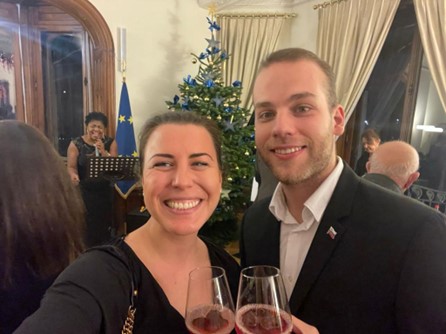
Before coming to Brussels, I didn’t know what to expect, as I had never had “roomies” before, nor had I ever been away from home for so long. It was my first international experience, and for this reason I was all the happier to be staying at the Slovenian Pastoral Centre, where I met my roommates, who became true friends and without whom my first escape from the comfort zone wouldn’t have been the same. Even though the radiators were sometimes cold, their gestures were so much warmer and often gave me a new boost and made it easier for me to adjust to the city of Brussels.
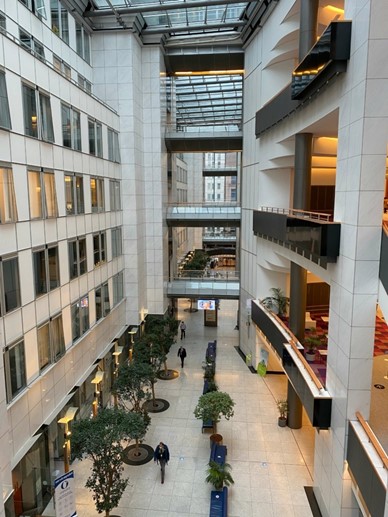
Brussels itself is, as I see it, very different from Slovenian cities, as it is a metropolis where different cultures, languages, nationalities mix and I have to admit that it is not exactly “my cup of tea”, as one might say. My first impression on arrival was that Slovenian cities are much tidier. Plus, I feel considerably more secure at home than I did here. One also gets accustomed to frequent protests, as this is how acute problems in society are addressed in Belgium, so don’t be surprised if protests take place almost on a weekly basis. On the other hand, you will soon appreciate the very good public transport system, which allows one to choose between efficient bus and metro services, or a useful tram system. So give the city a chance, explore its diverse and very informative museums and beautiful spots such as the various parks that offer an escape from the concrete jungle, and definitely taste the famous Belgian waffles, chocolate, fries or, for example, the Flemish beef carbonnade. Don’t forget to have some fun and at least attend a couple of the famous Thursday parties at Place du Luxembourg (known as Plux), where late in the afternoon the bars turn into nightclubs and where young people and trainees from all institutions can meet and socialise (but don’t forget that Friday is a working day all the same).
Tip 3: Before arriving in Brussels, it is essential to find accommodation for the duration of your stay and be careful as there are lots of scammers.
On my first time in the Parliament, I was afraid that I wouldn’t find our office the next day, given that there are so many corridors, rooms and floors that look identical.
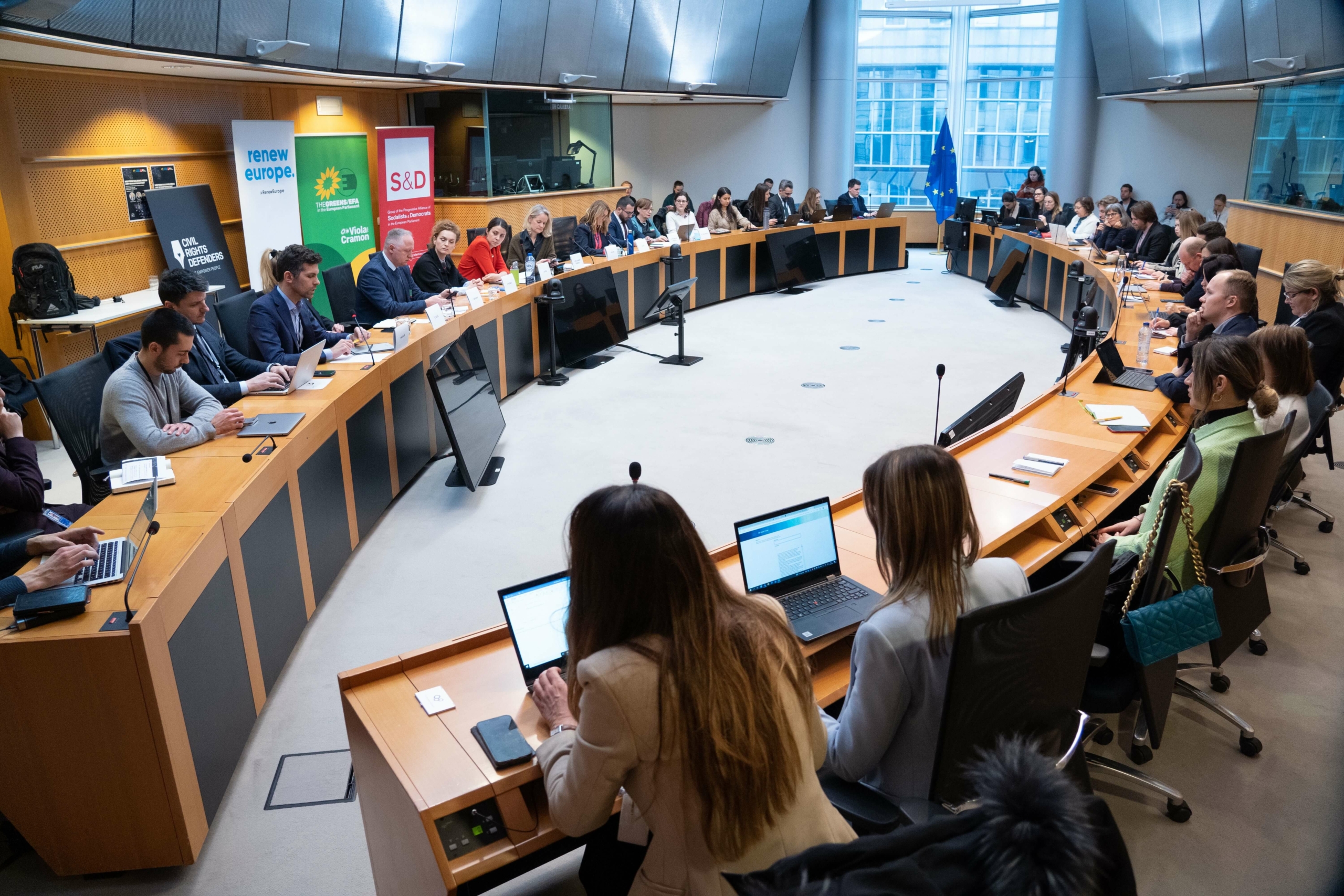
It is not for nothing that everyone describes the European Parliament as a maze – at first I was very confused as well. The European Parliament is a city in miniature, with more than 10,000 people coming here each day, and as such it embodies the international nature of the European Union. It is a place where different nationalities meet and a wide range of languages are spoken, with English and French dominating the scene. Inside the Parliament you can find everything from shops, cafés and canteens to a dry cleaner, a media corner, a hairdresser and even a gym.
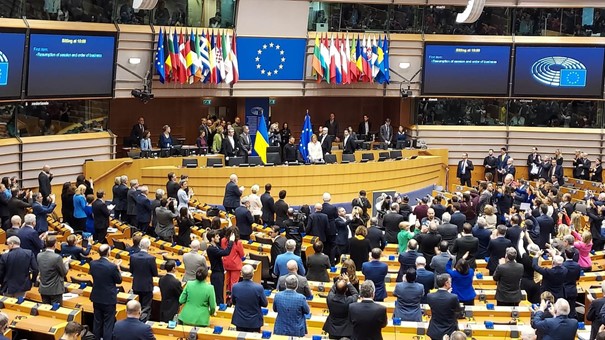
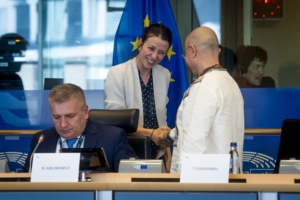
During my traineeship, I had the opportunity to listen to many interesting debates and addresses in the Parliament. I would specifically like to mention the visit of the Slovenian Prime Minister, Robert Golob, who focused in his speech on the energy crisis, the green transition and EU enlargement, and the visit of Ukrainian President Volodymyr Zelenskyy, who thanked the Union for granting Ukraine candidate status and called for continued active support in the war.
Tip 4: The most important floor is the third, connecting floor. From here, one can reach any part of the Parliament. Our office has the advantage of being located right on this floor. Make sure you head off to all the live meetings on time, as it’s not unusual not to find the right room straight away.
The nature of work in the office
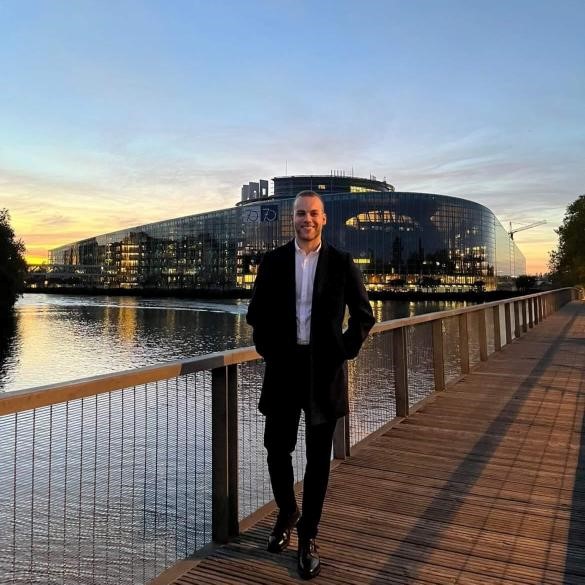
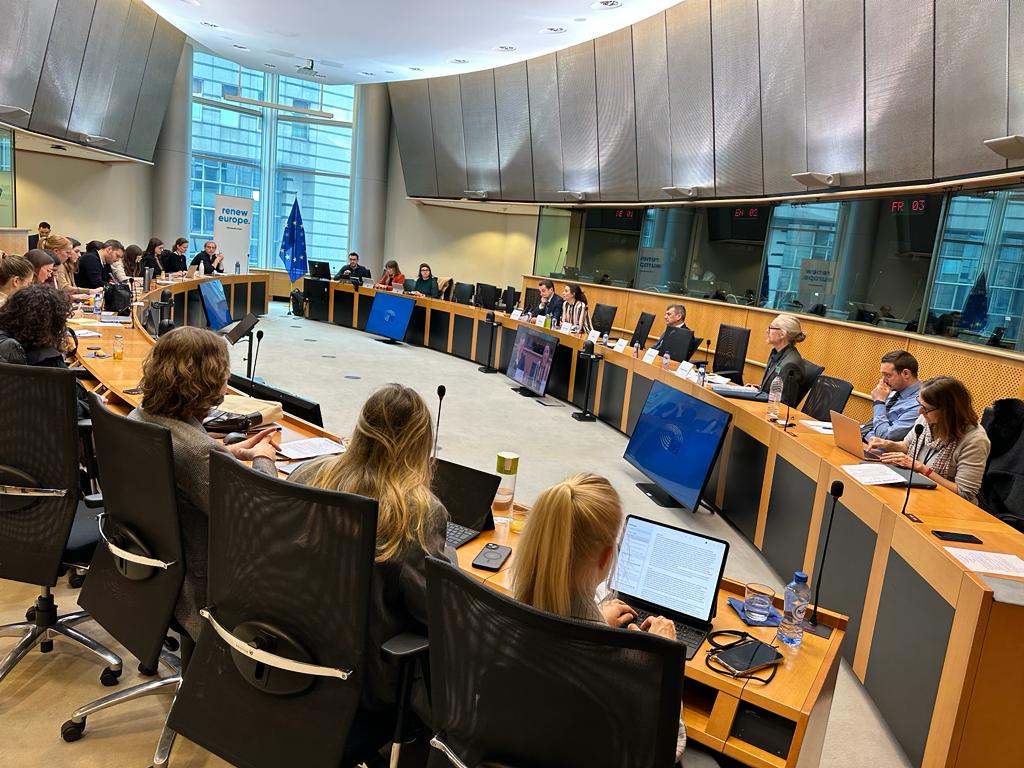
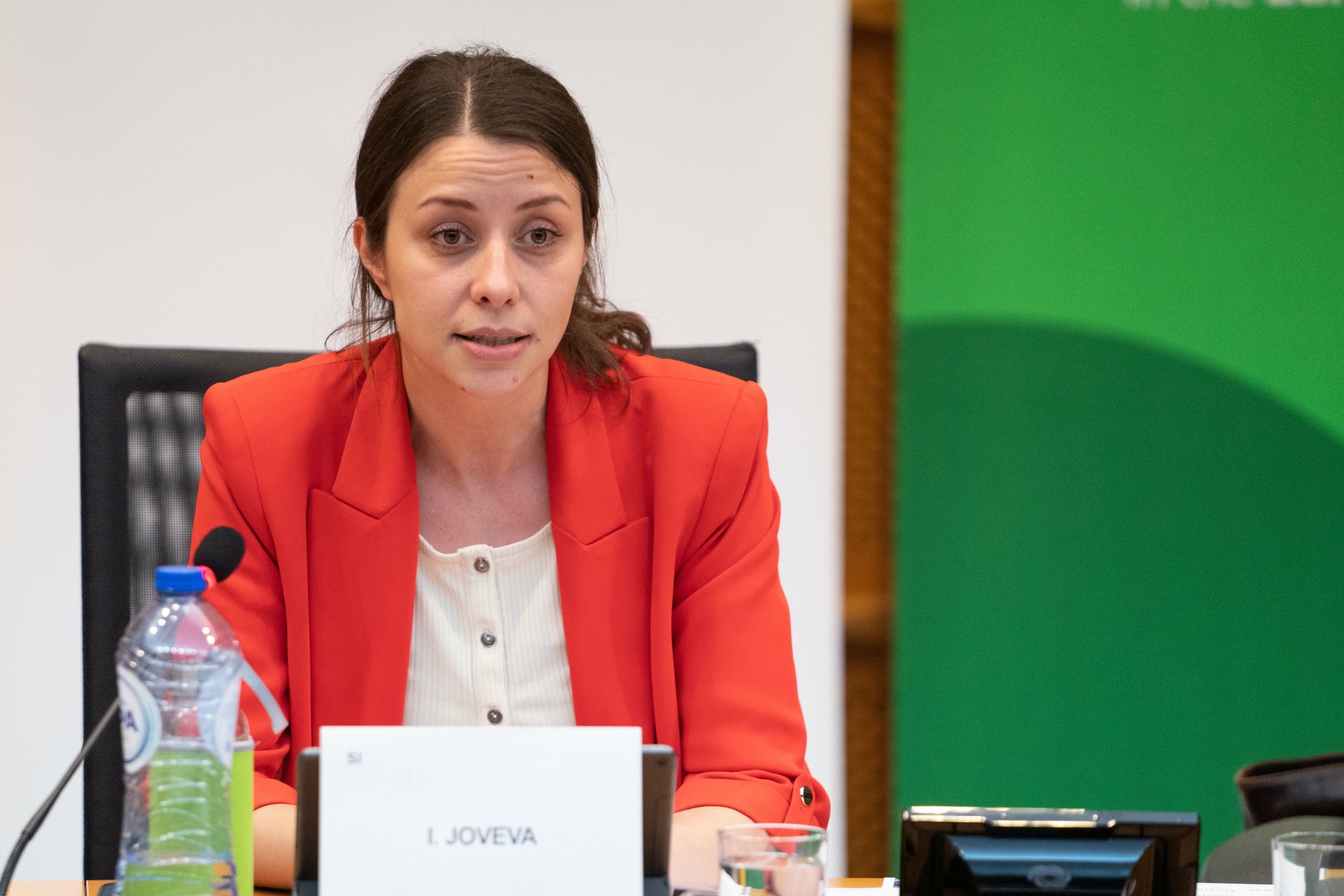
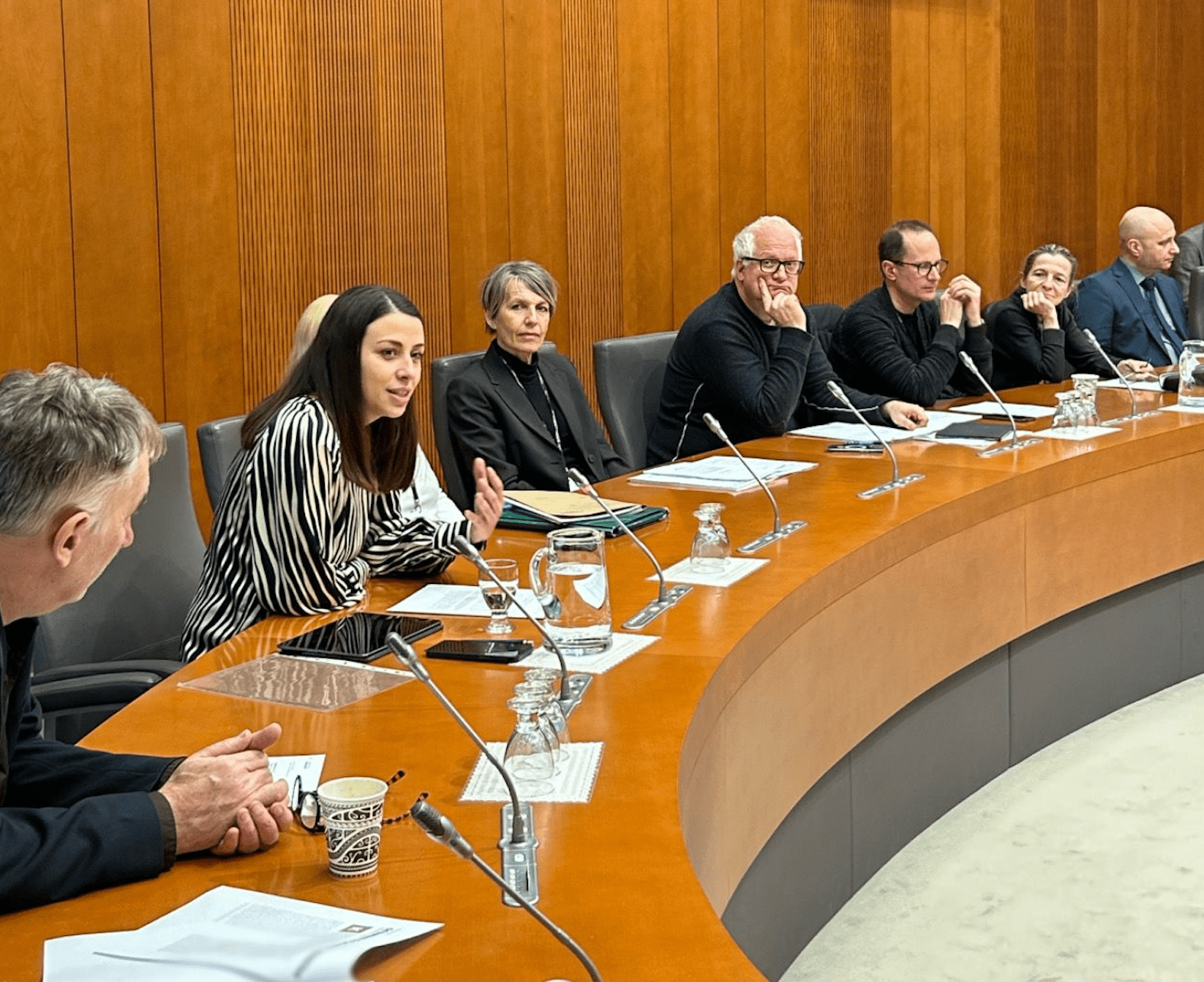
My four-month traineeship in the European Parliament was an incredible experience that gave me a better insight into the work of MEPs, as well as a behind-the-scenes look at European politics. What struck me most about the nature of the work was its dynamics, as no day or week is the same as the previous one. I have had the opportunity to closely follow the developments in the Environment, Public Health and Food Safety Committee (ENVI) and the Culture and Education Committee (CULT), as well as Irena’s work as Vice-Chair of the EU-North Macedonia Joint Parliamentary Committee, and the Delegation for relations with Palestine, in which Irena serves as a substitute member. The plenary week deserves a special mention, as this is when the days are taken up with working and political group meetings, topical debates, adoption of various reports, interviews with journalists and votes.
For the office work to run smoothly, it is important to be proactive, as a trainee’s work is not limited to “making coffee”; rather, we are entrusted with responsible tasks, which have given me new skills and strengthened the ones I already had. My responsibilities ranged from helping to organise events on behalf of our office to substantive work. I have had the opportunity to follow committee work, actively participate in meetings, draft notes and press releases, assist in writing plenary speeches, speak at meetings, do some research and attend the plenary session in Strasbourg. What I appreciated the most was that I always felt like an equal member of the office, so be brave and make suggestions, because everyone’s opinions, ideas and proposals are taken into account.
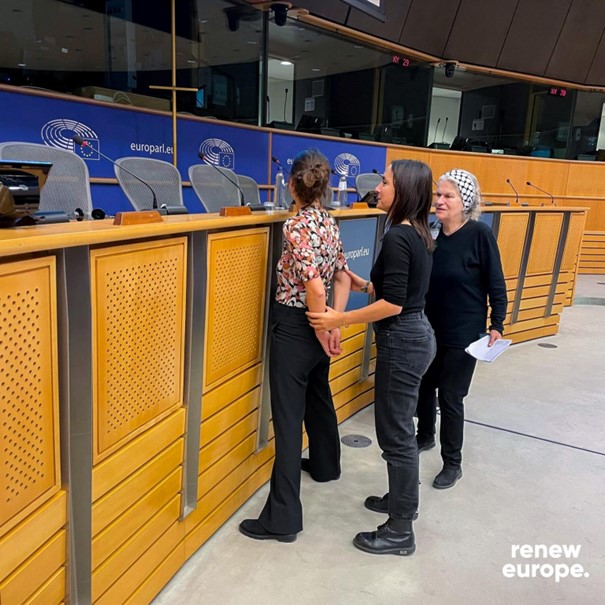
One of the most important lessons I learned during my traineeship was the importance of teamwork and collaboration. Our office was an example of a diverse team of individuals, working together for a common goal, which was to promote European values and represent Slovenia in the best possible way. At this point I really must mention both assistants, Žana Špegel and Rok Lesar, who are extremely professional, acting as a treasure trove of knowledge, providing expert assistance and writing amendments on various topics, and those really never run out. The person who has helped me the most in adapting has been our Head of Office, Elma Oručević. Throughout my traineeship, Elma has acted as my big sister and has taught me so much about life and work itself. I really do not think that any of the staff knows the Parliament as well as she does; she is a polyglot with excellent networking skills and she takes care of everything: from organising events that help raise the profile of our office, to maintaining contacts with other stakeholders, to the administrative work, which never seems to end. They say you are only as strong as your team, and I think Irena truly has the right team behind her.
Finally, some practical tips for future trainees:
- Don’t hesitate to ask questions – it’s normal not to know everything, so whenever you have a question or an issue, don’t be afraid to ask or seek advice;
- Be proactive – take the initiative to find new opportunities and solutions, and be ready to help your colleagues, because you are all part of the same team;
- Be open – the European Parliament is an institution with staff from different countries, cultures and backgrounds; it is thus important to be respectful and open to others, to learn from their experience and understand their perspective;
- Stay well informed – always be up to date with the latest news and the latest areas covered by the office. This will help you to better understand the context of your work and to contribute more effectively;
- Networking – building relationships is essential in the European Parliament, so attend events, meet new people, take part in debates, broaden and gain new insights;
- Don’t forget to take time for yourself – the European Parliament is a busy and demanding environment, so it’s important to take breaks, look after your well-being and maintain a healthy work-life balance.
– Marko Miladinović