
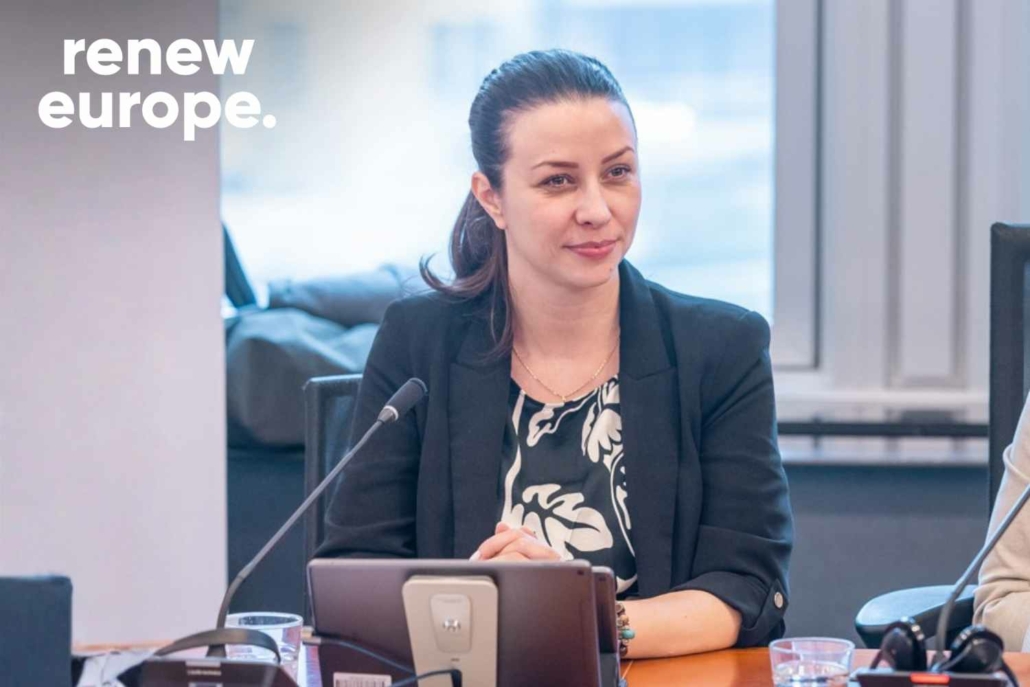
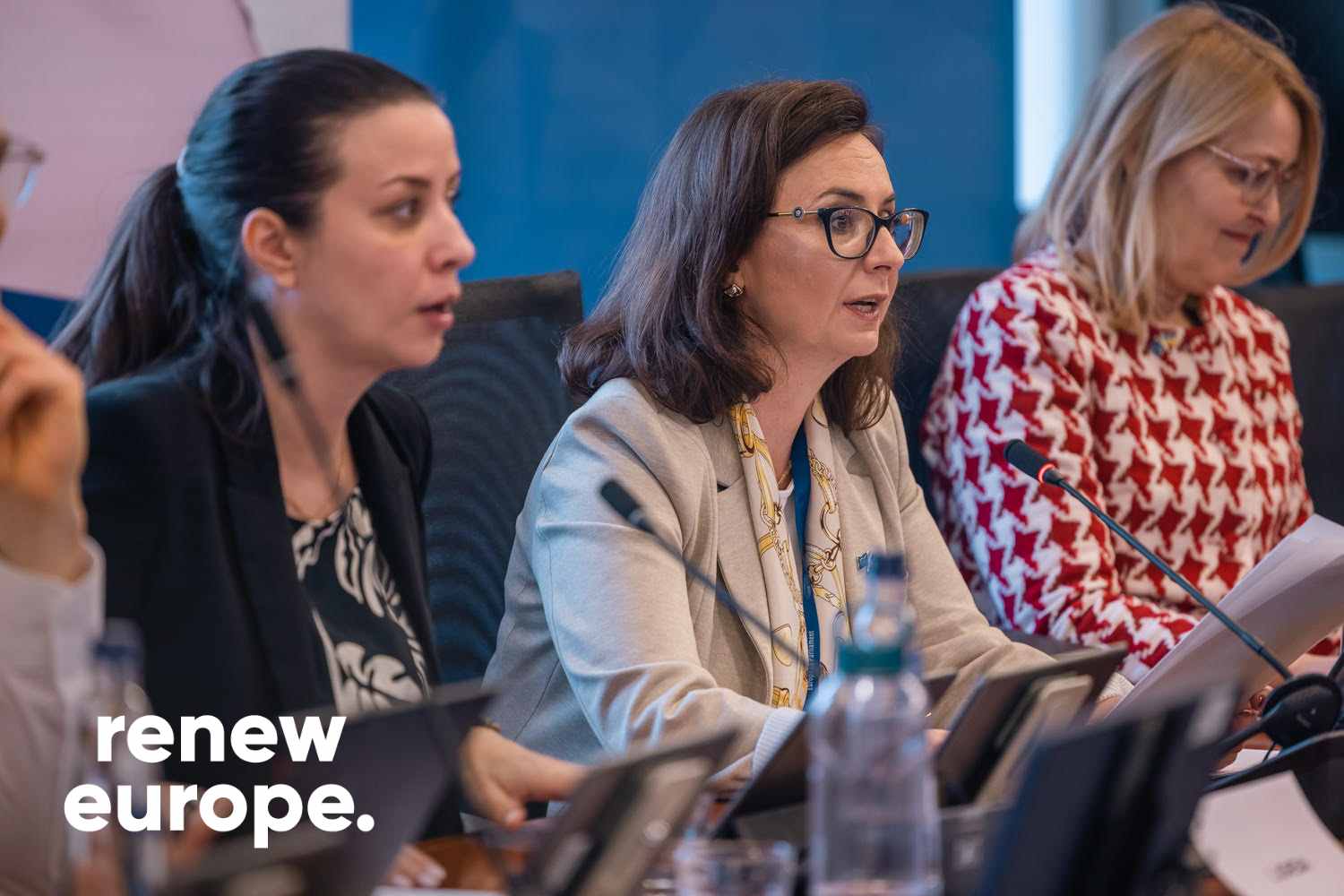
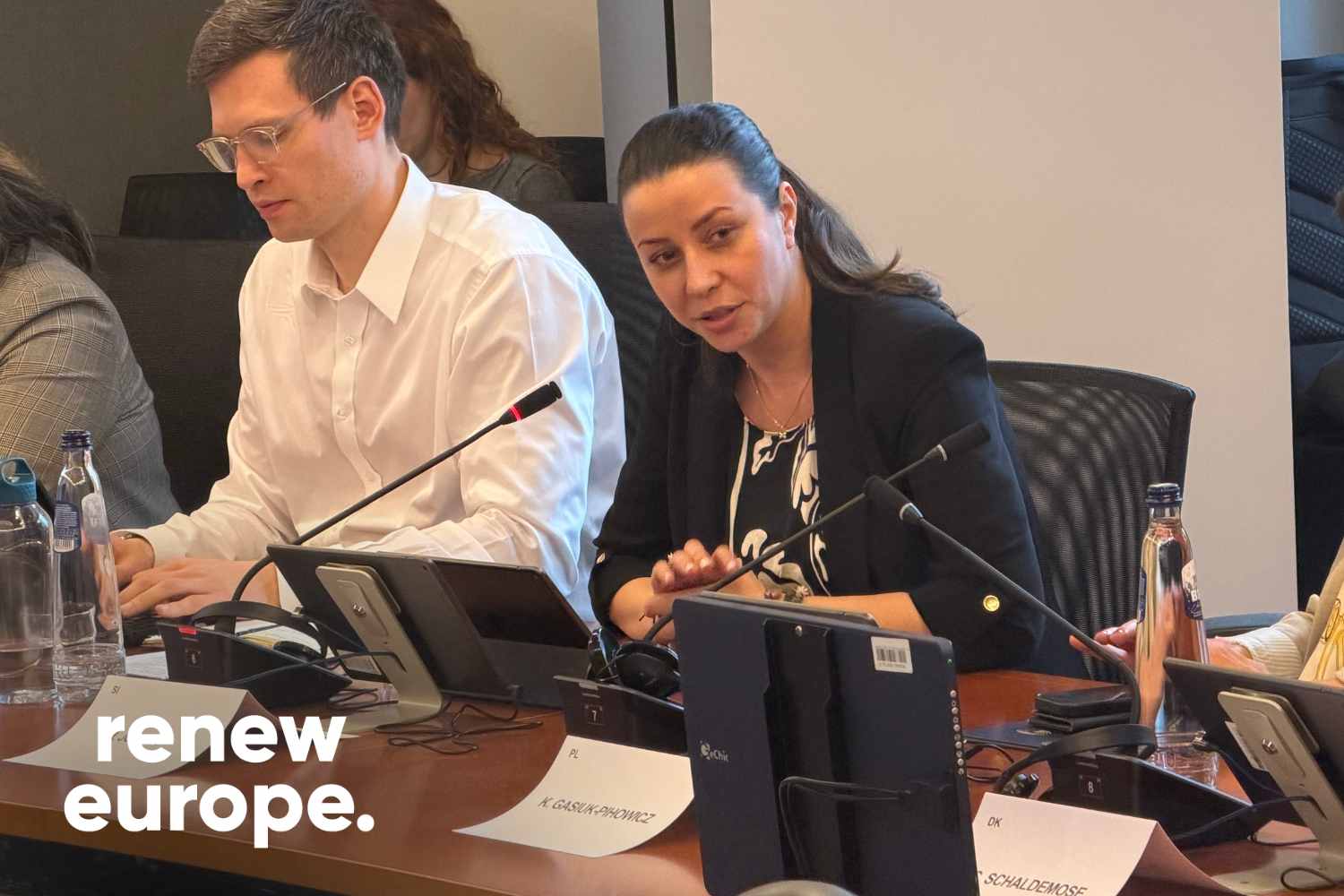
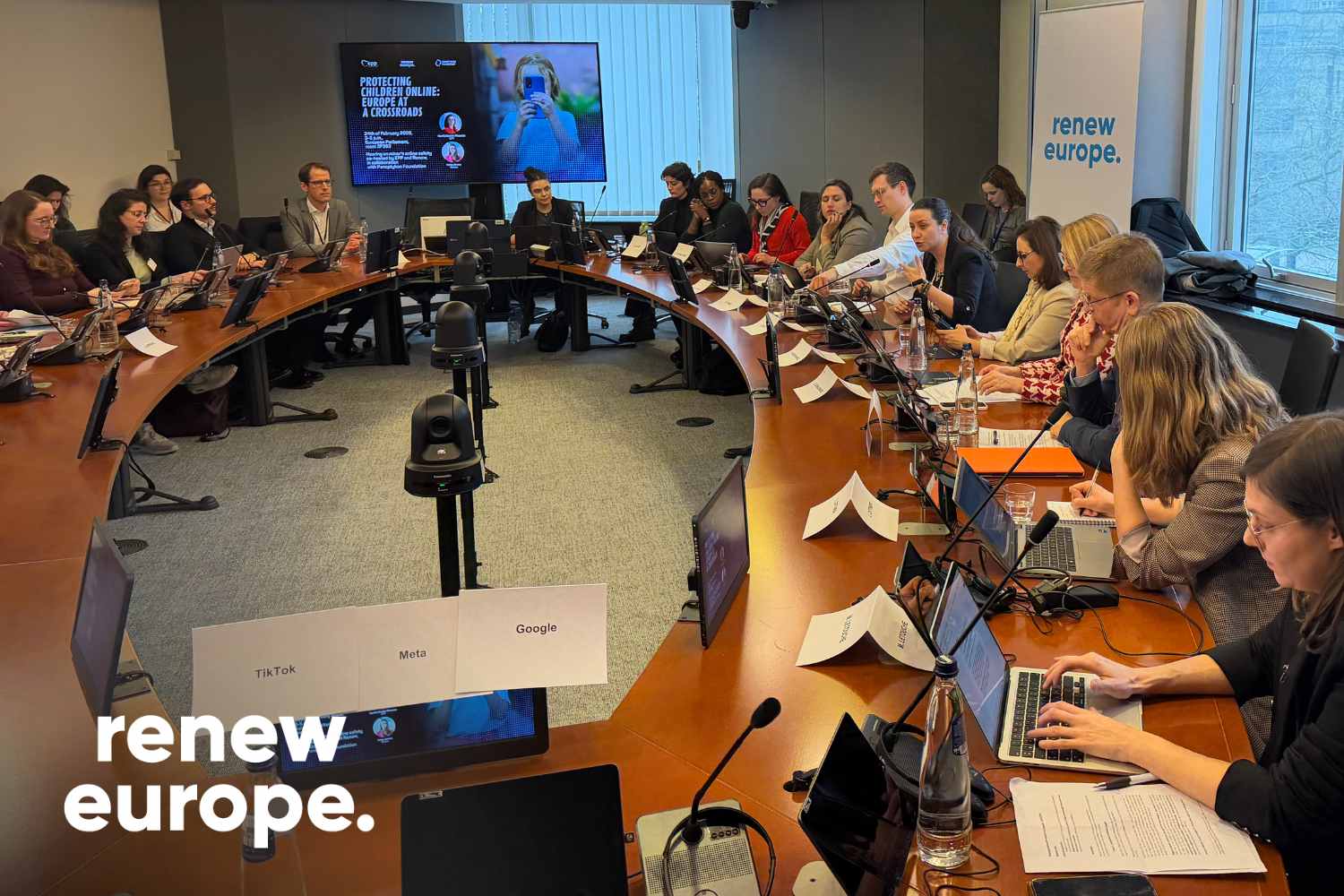
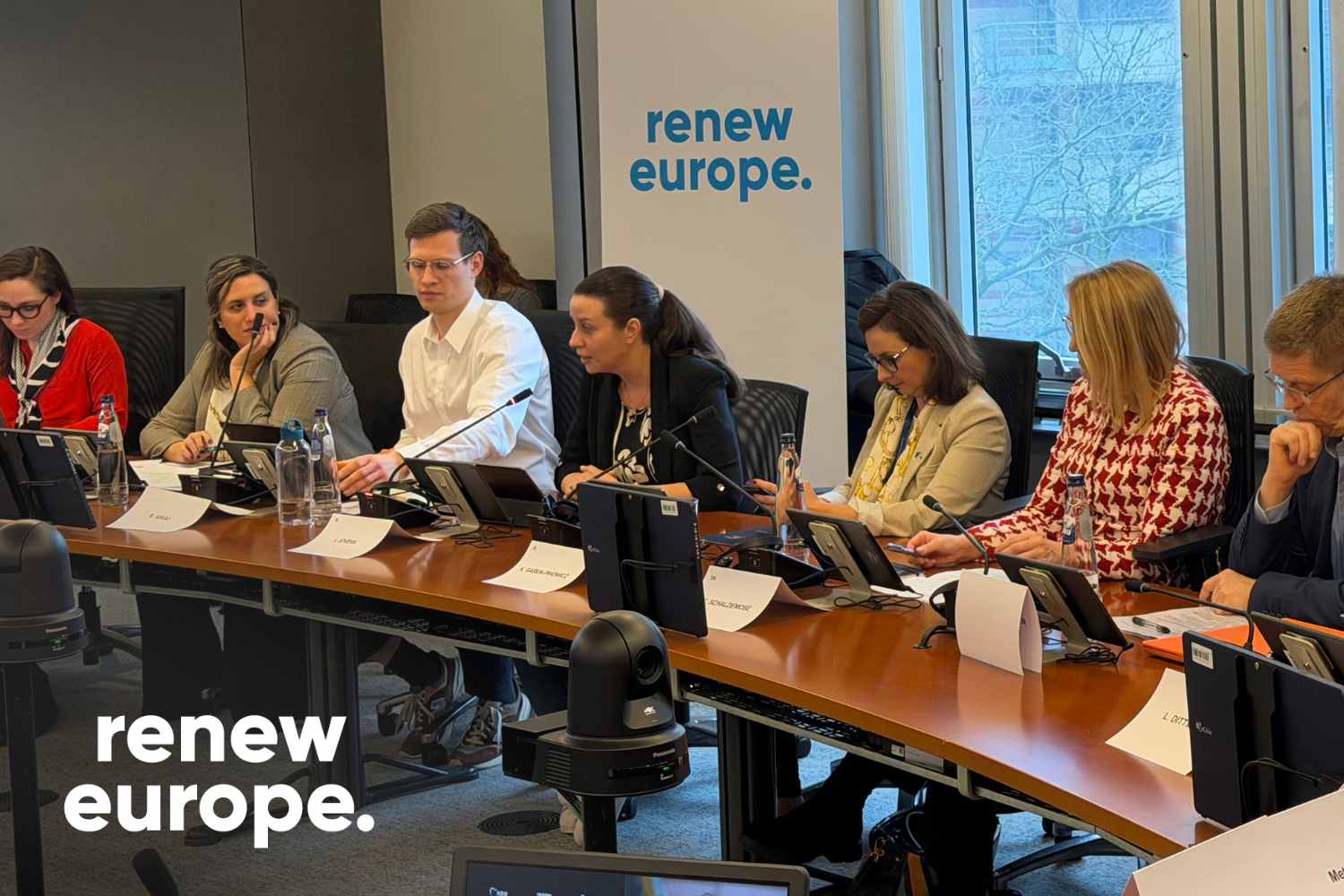
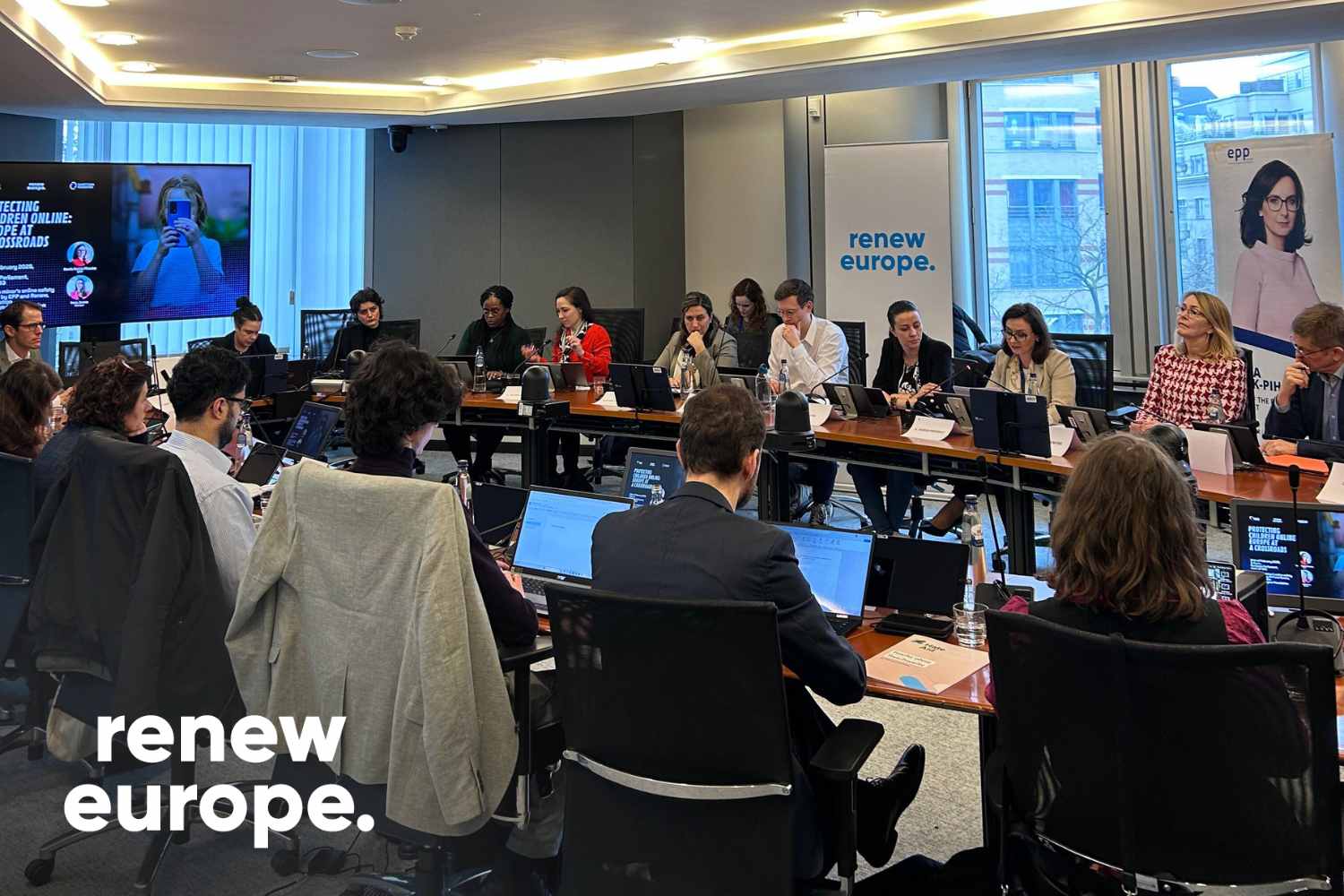
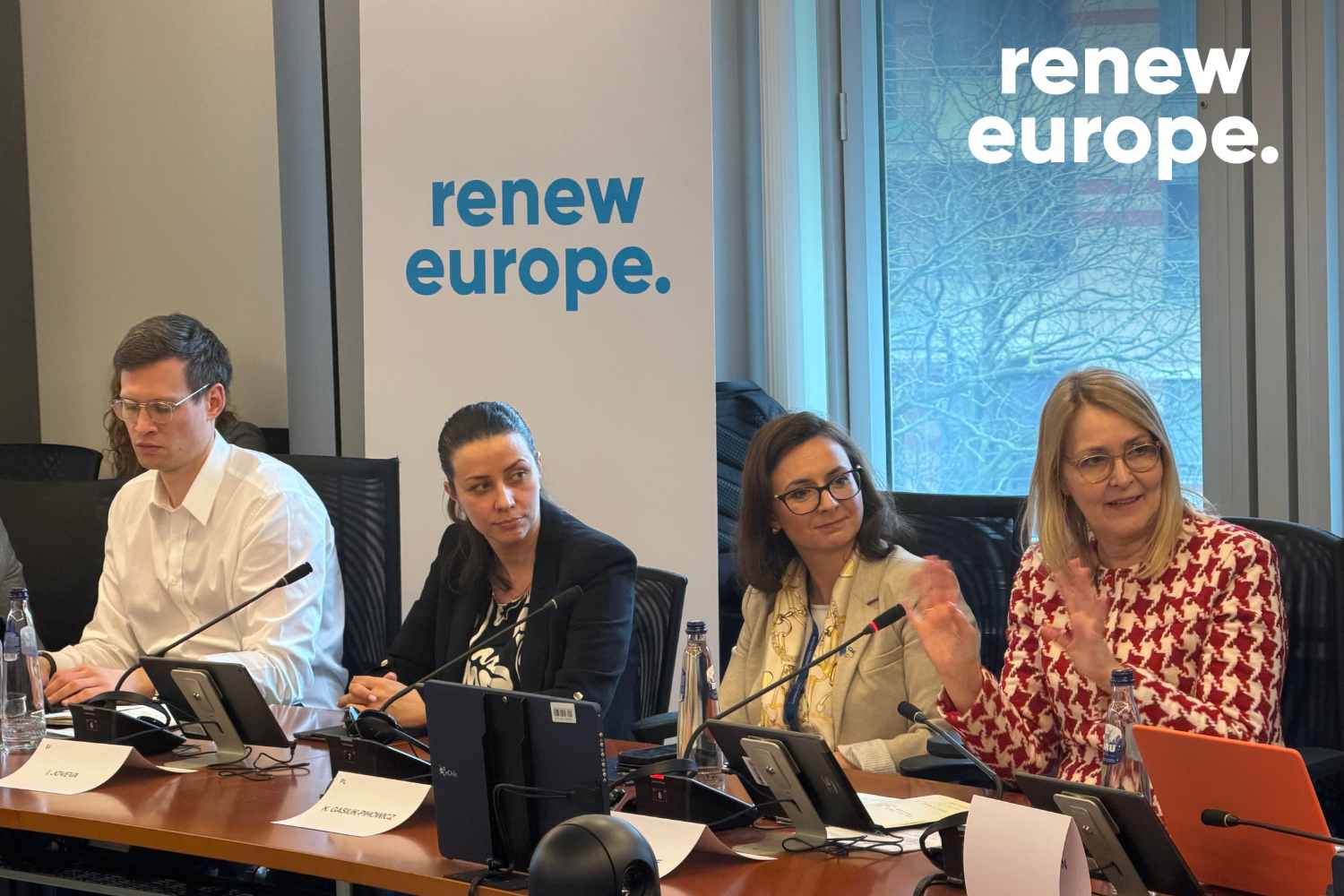
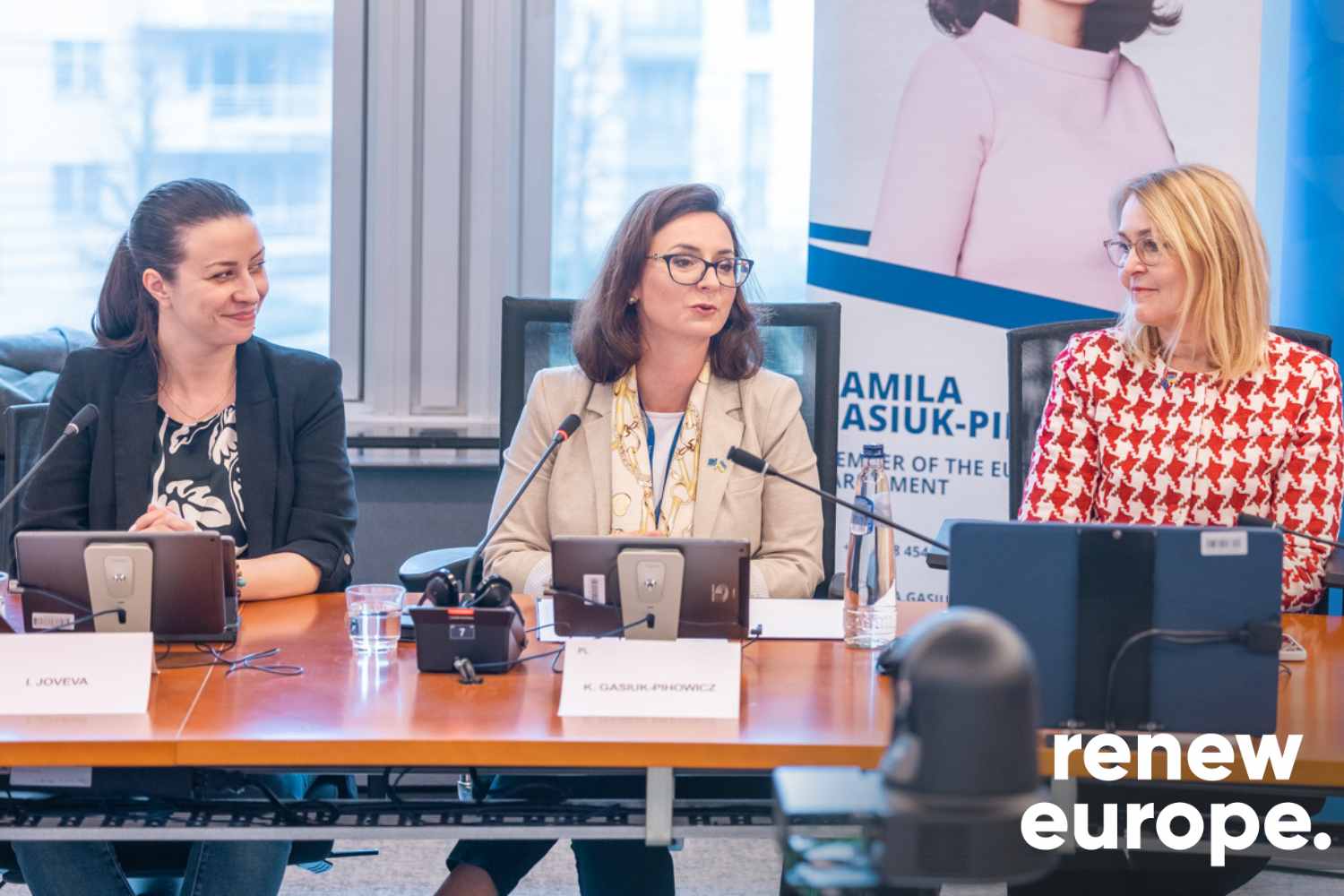
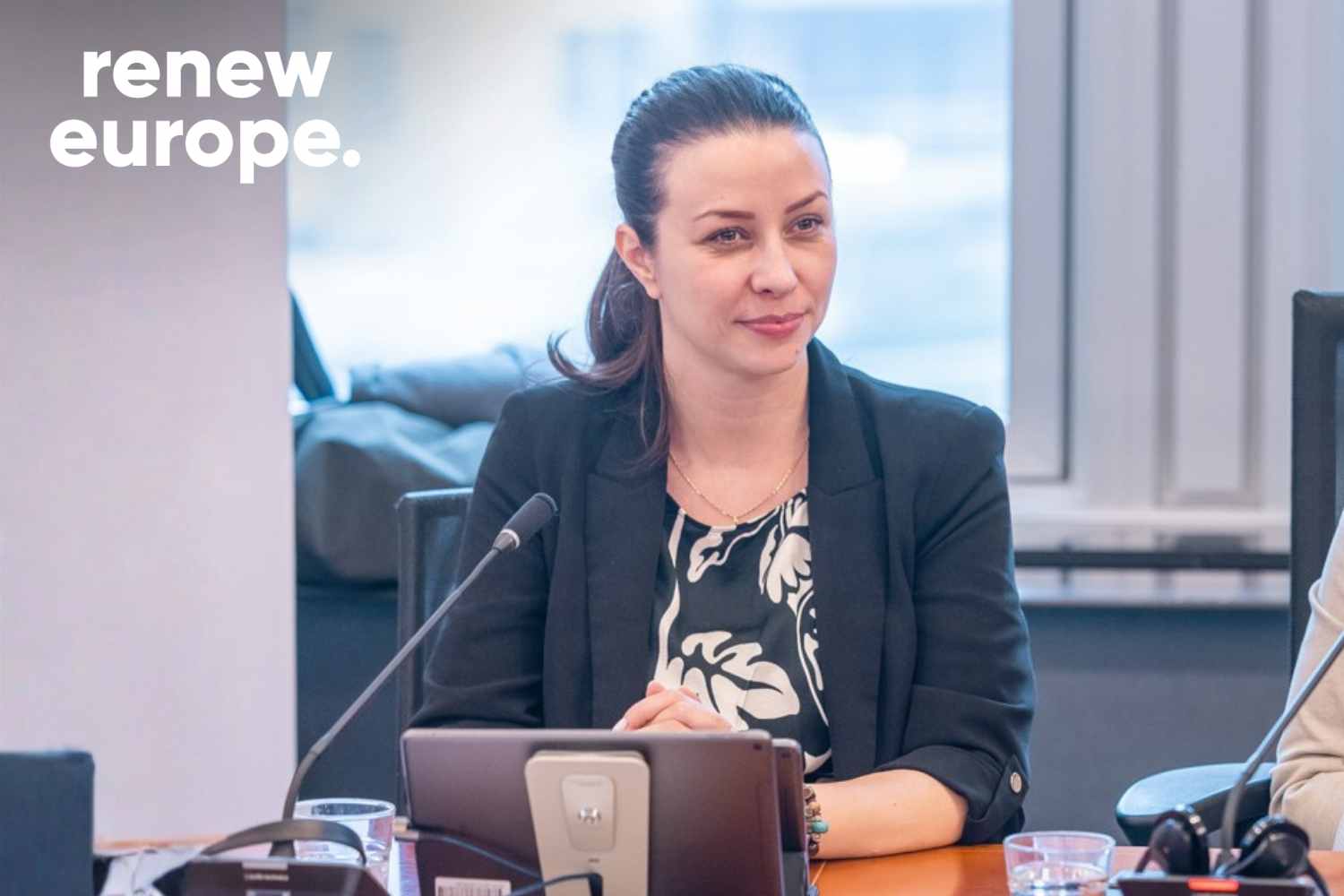
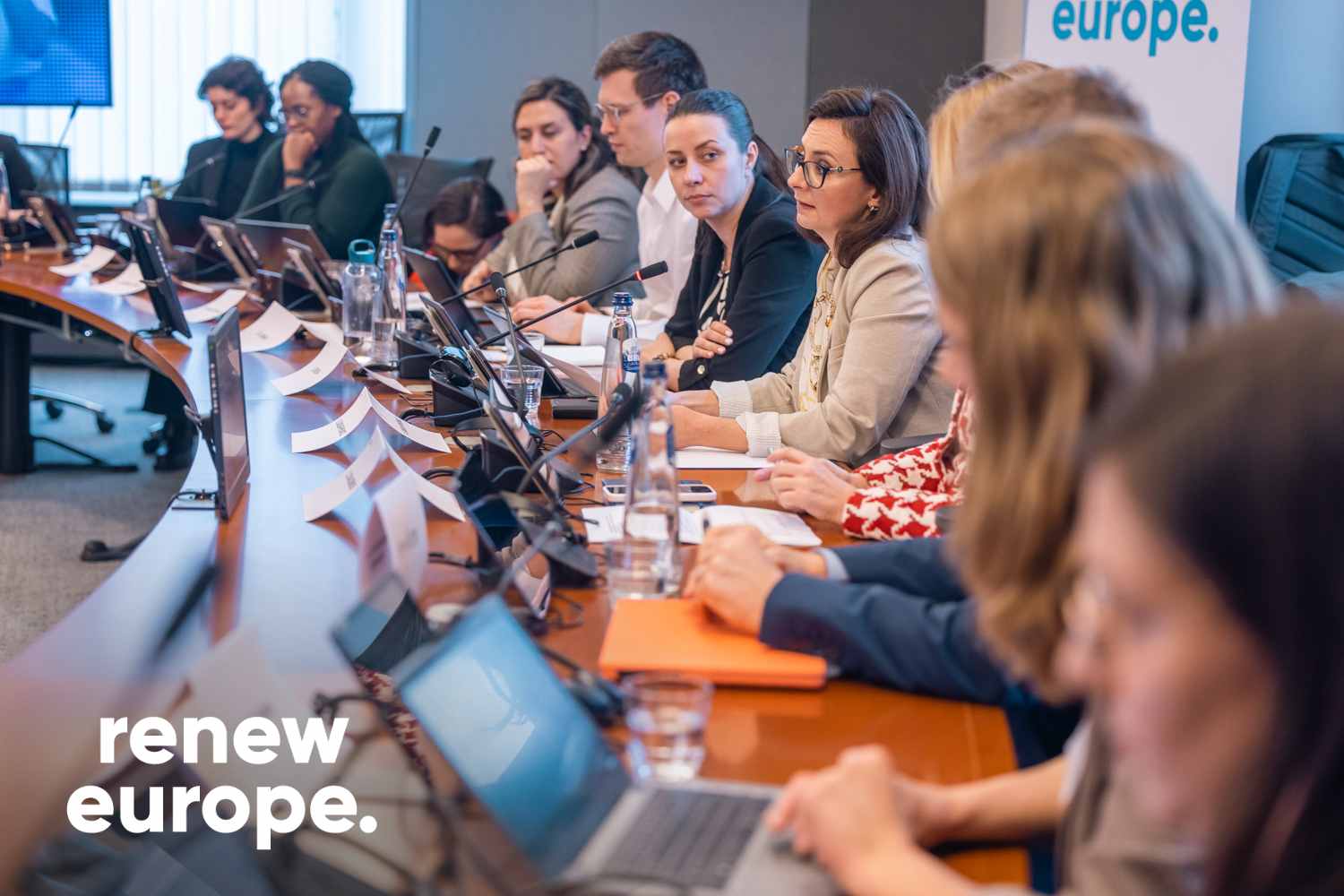
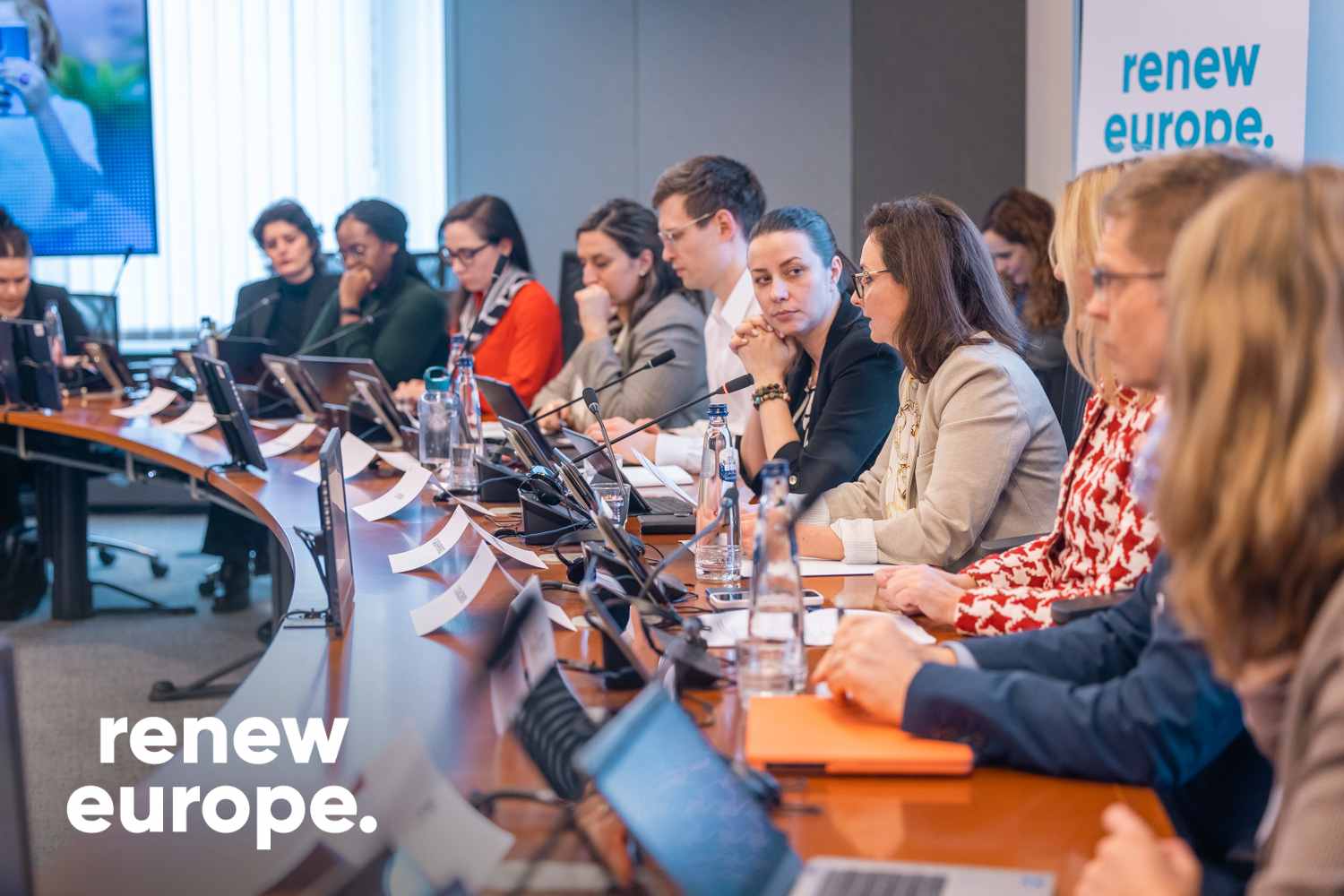
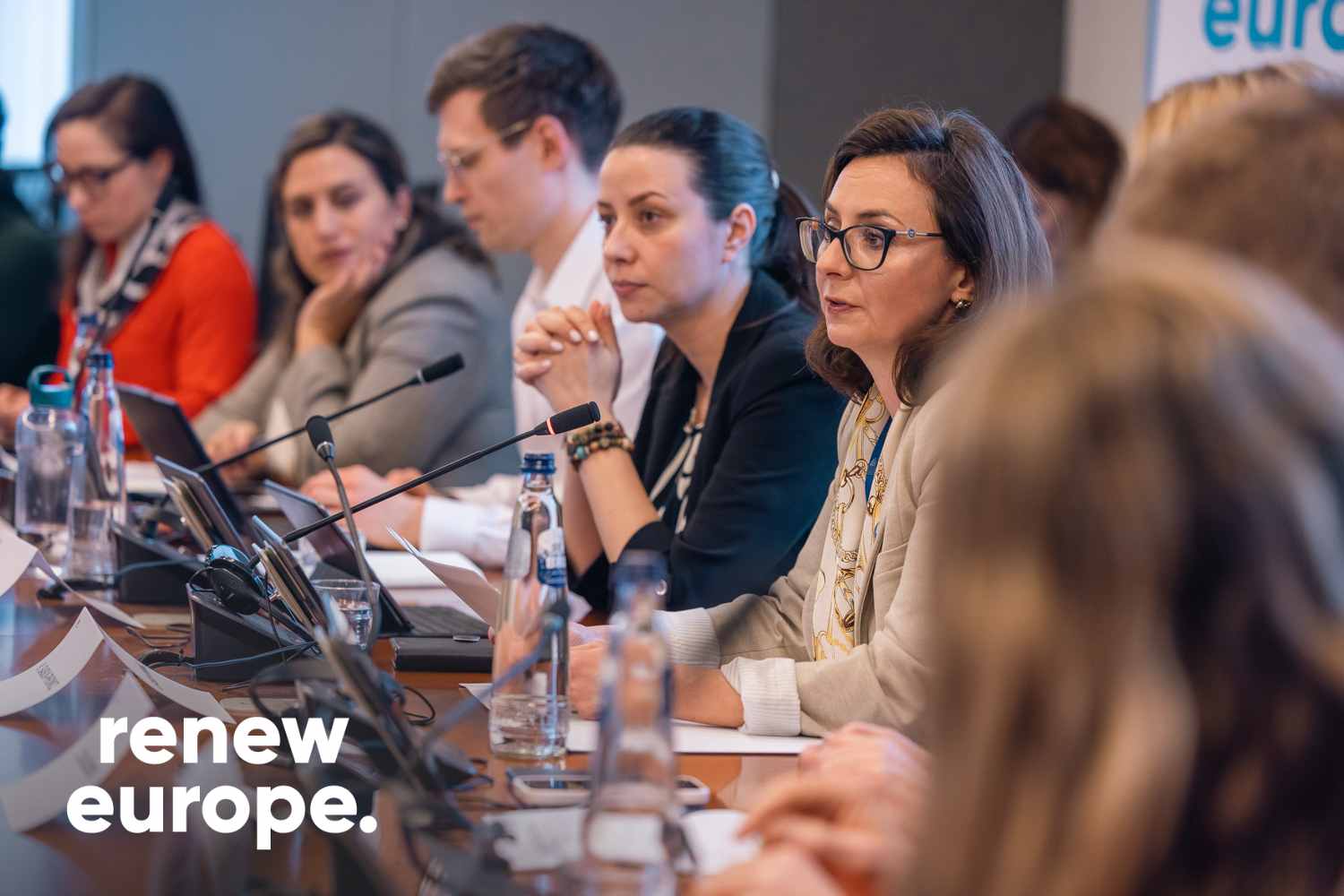
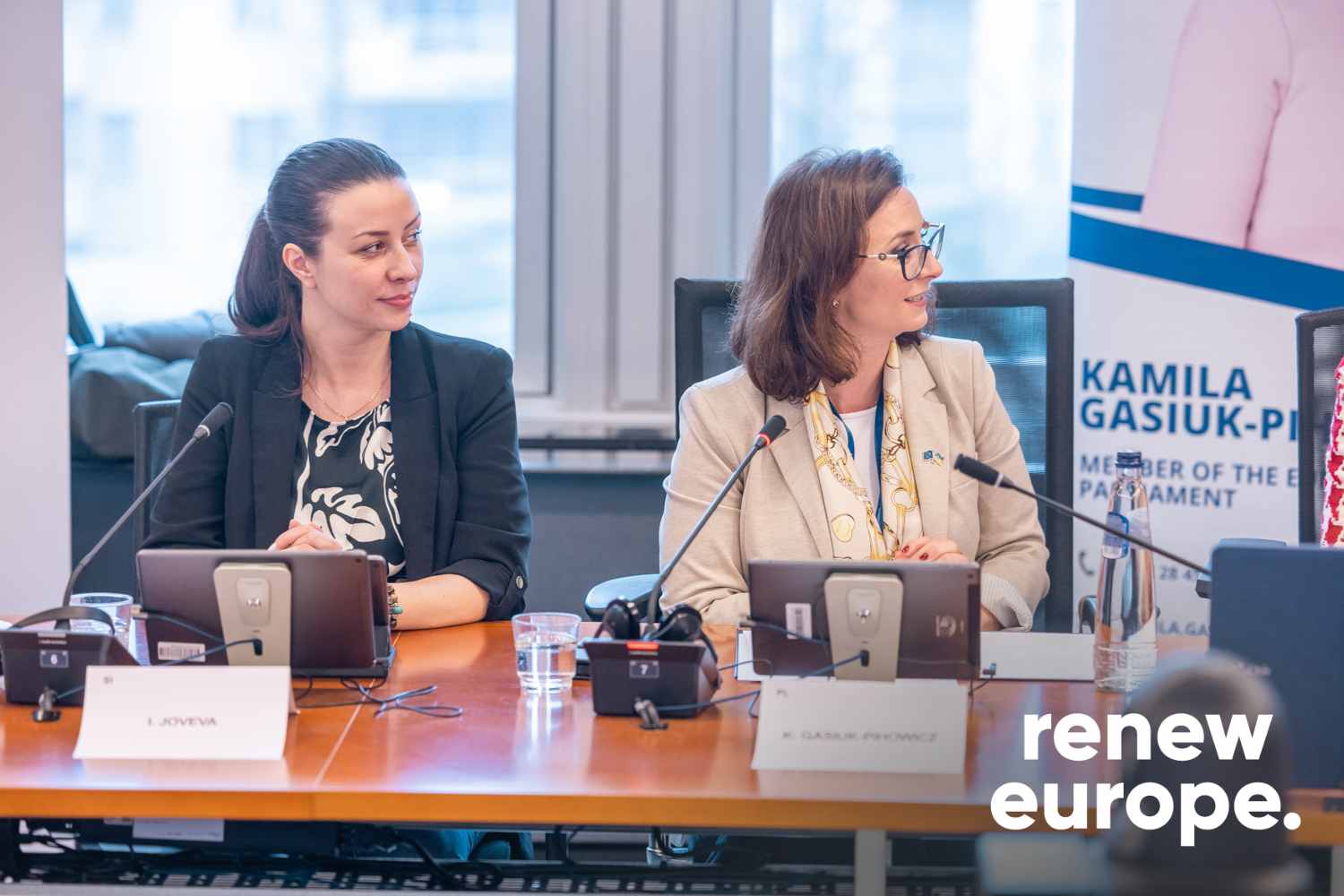
MEP Irena Joveva hosted a consultation on child protection online at the European Parliament on Tuesday, 24 February 2026. The meeting, which brought together professionals, civil society and decision-makers, opened a dialogue on the challenges that social networks pose for young people. Limits must be set for tech giants – especially those who, despite being invited, did not come to the consultation, and in doing so, unfortunately, have said everything, said Joveva.
In her introduction, Joveva stressed that online child safety is crucial, as digital platforms are designed to encourage addiction and increase the time children spend on screens. Under the cloak of apparent engagement, addiction is actually being encouraged, she warned, highlighting the case of Meta, where internal documents years ago described Instagram as a “drug” designed to deliberately target teenagers and increase their screen time.
“What some call engagement is really addiction. Infinite scrolling is not a function – it’s a mechanism for another dopamine hit.”
The MP went on to highlight the need for restrictions that set boundaries for technology companies.
“In this context, instead of asking whether children are disciplined enough, let’s ask whether a product is safe enough. We need to set limits for merchants, not innocent users. Security by design is not a restriction on freedom, but a legal necessity for the normal functioning of society.”
She added that while Europe has already started to regulate with legislation, such as the ban on targeted advertising to minors under the Digital Services Act (DSA), in her opinion the implementation of these rules is still insufficient.
Algorithms are not neutral, Joveva made it clear, and tech giants focus exclusively on their own profits. Among the key topics, she highlighted the impact of digital platforms on children’s mental health, development and socialization.
“Imagine being in your developmental stage and being, say, 13 years old, discovering the world and becoming a subject in a philosophical sense, and at the same time getting access to everything online. Videos from war zones, access to violent pornography, the sexualization of your images using artificial intelligence, and the danger of your self-image becoming dependent on trolls or bullies, while at the same time being compared to famous actresses and models. Not to mention sexual abuse.”
With the development of artificial intelligence, platforms like TikTok, and other technological innovations, the situation has only worsened, she believes:
“The connection between social media and mental health, child development patterns, and behavior is very clear to anyone who is a parent or who sees through the manipulative narrative of how things really are.”
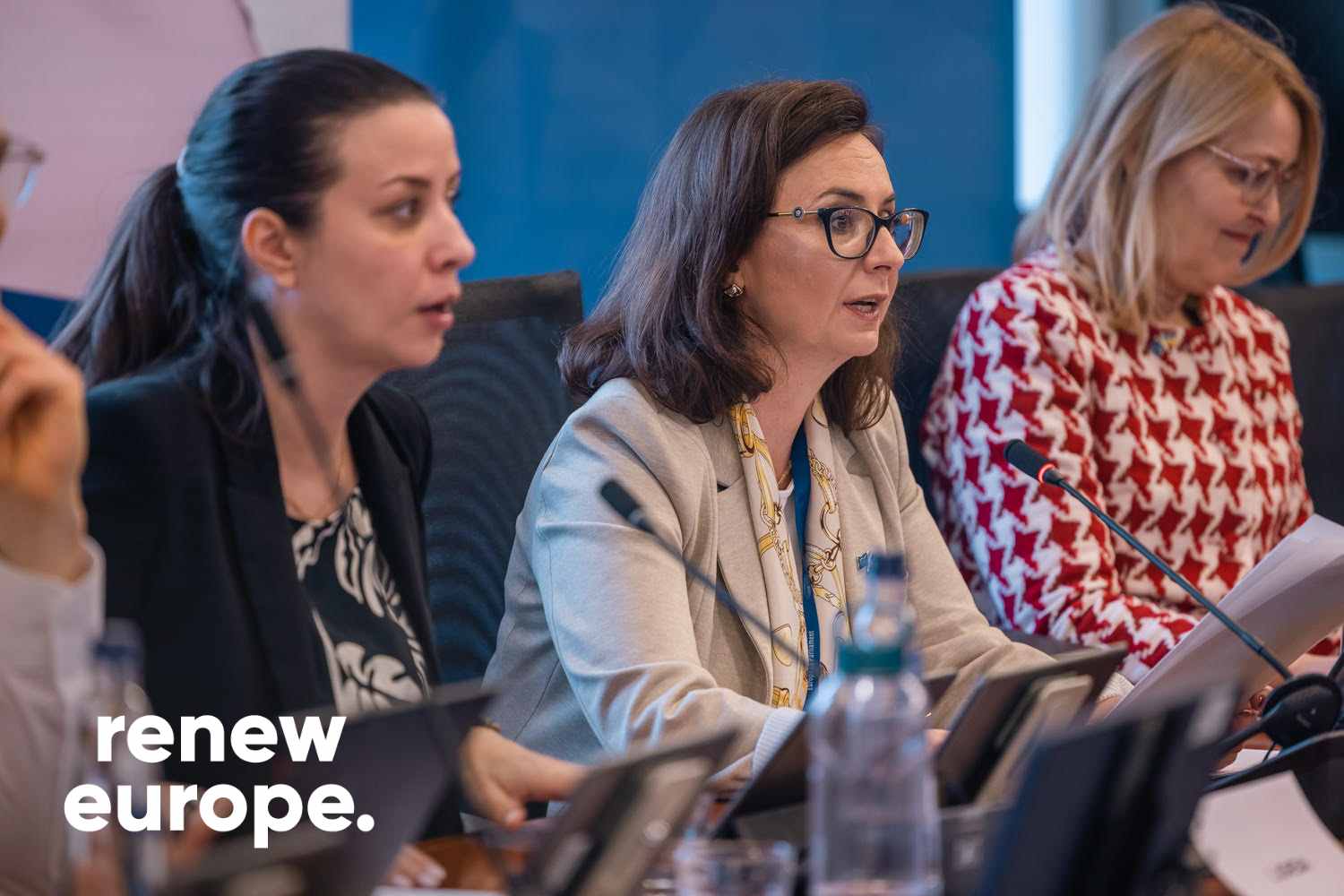
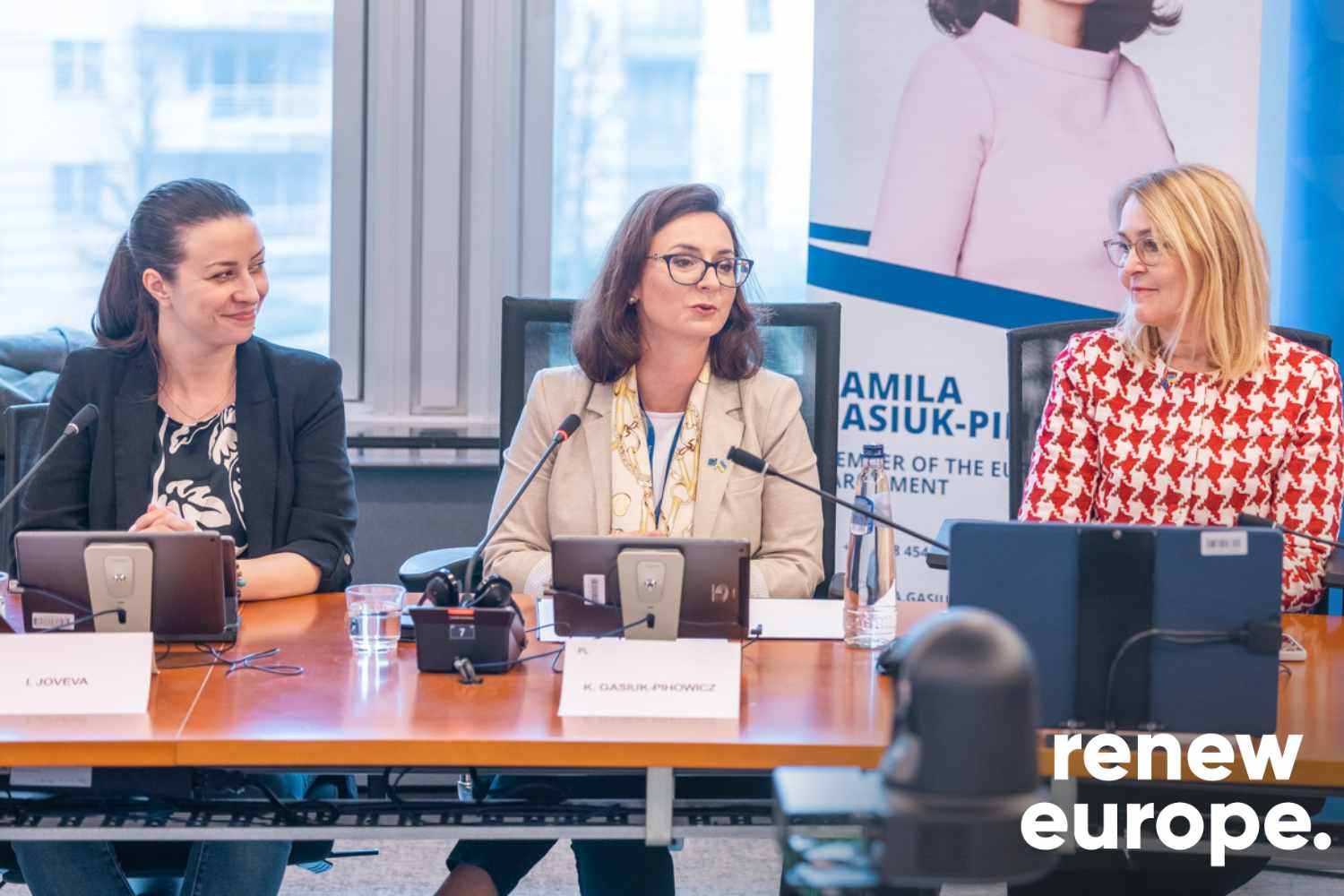
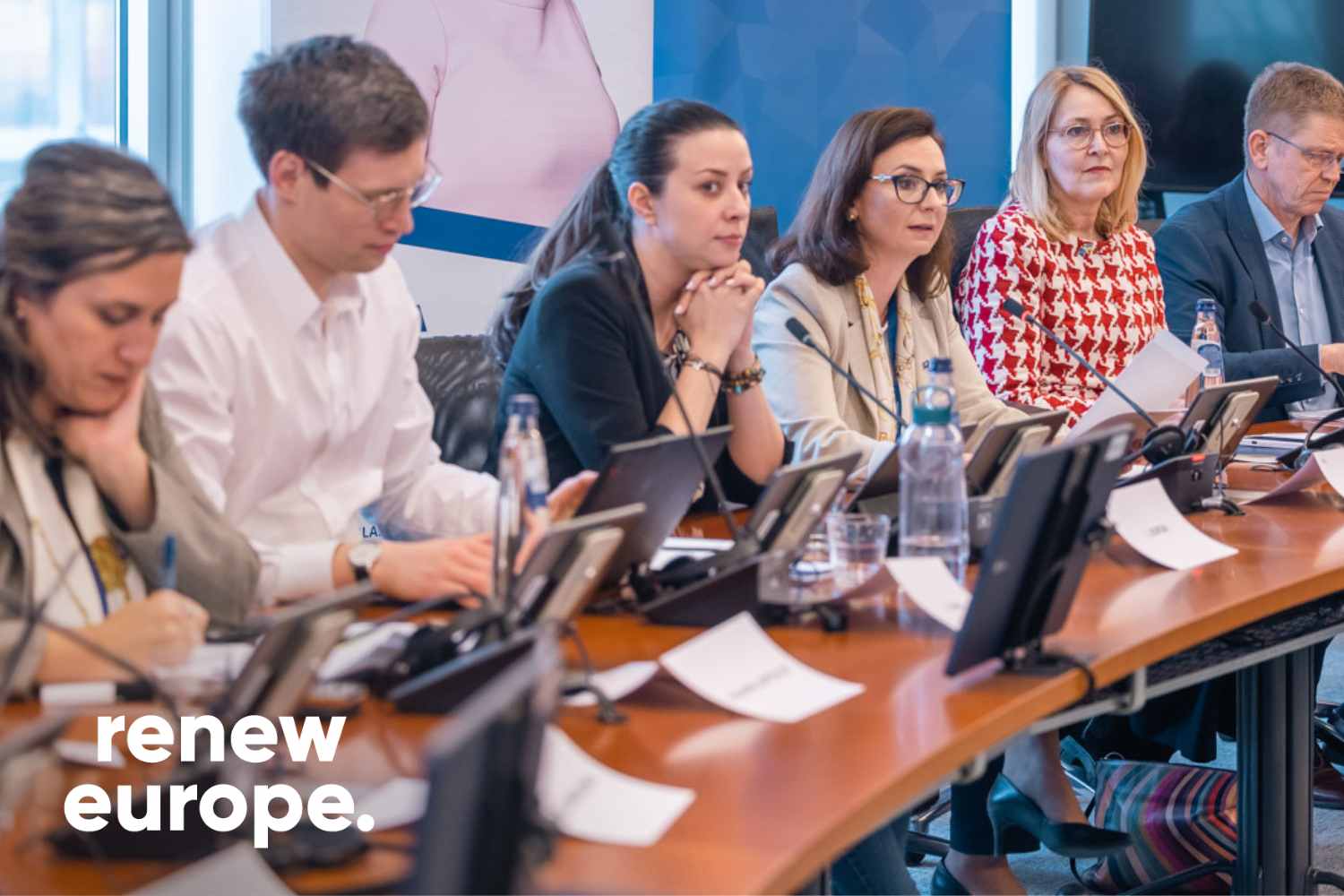
In conclusion, Joveva explained that she is working on a series of digital legislative files in the European Parliament from various perspectives. Her work focuses primarily on protecting users, their privacy, and limiting the power of the most powerful actors in relation to individuals. She hosted the consultation in collaboration with the Panoptykon Foundation and her colleague, MEP Kamila Pihowicz. Representatives of Meta, Google, and TikTok were also invited to the discussion, but none of them responded to the invitation.


Leave a Reply
Want to join the discussion?Feel free to contribute!