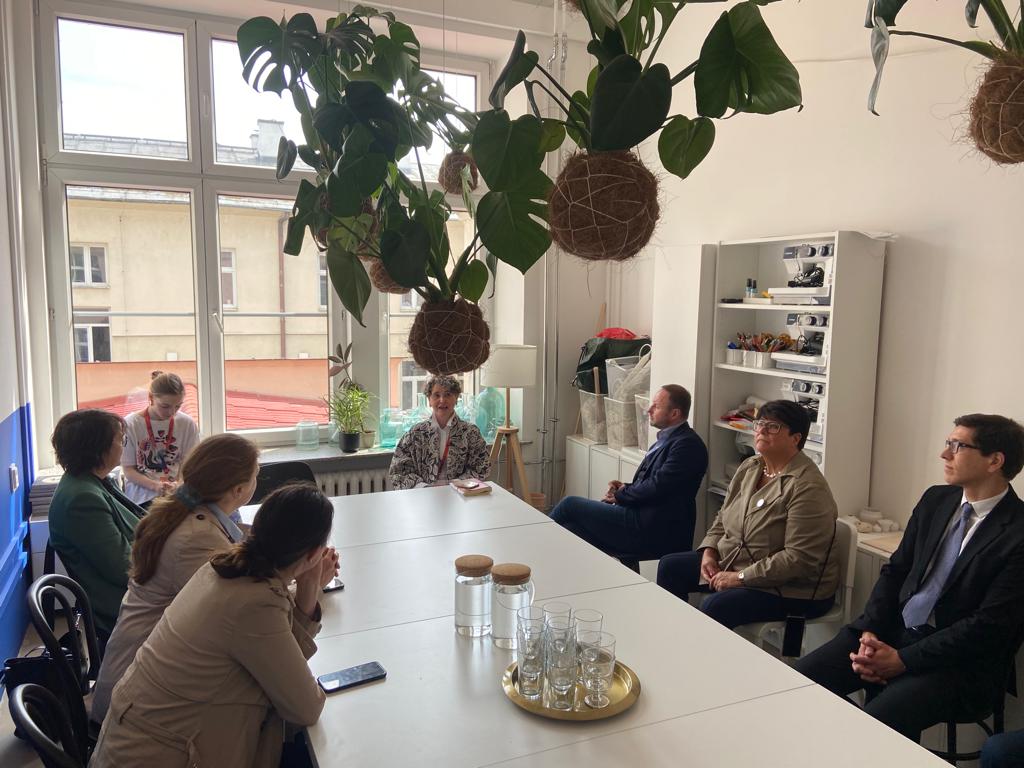
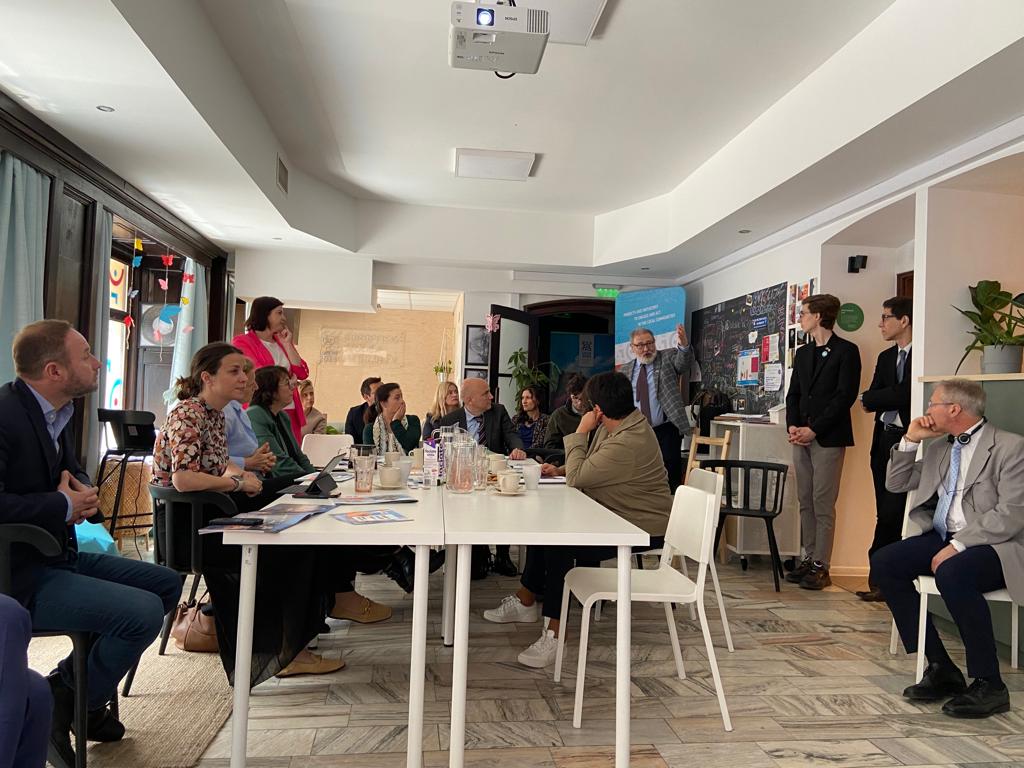
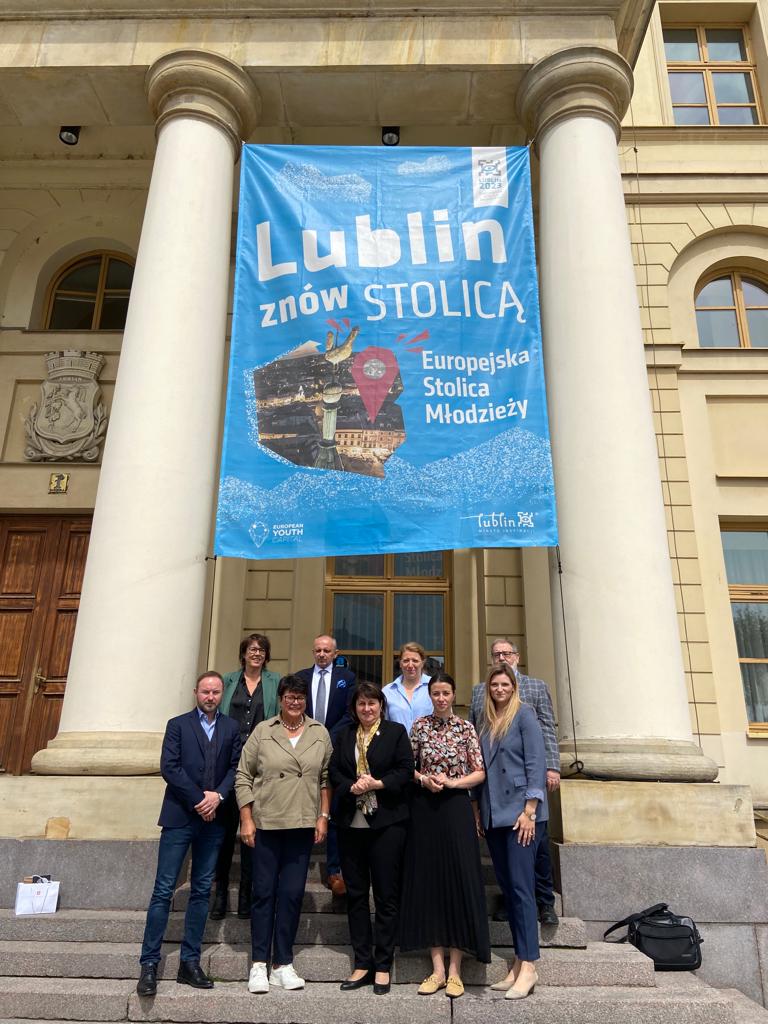
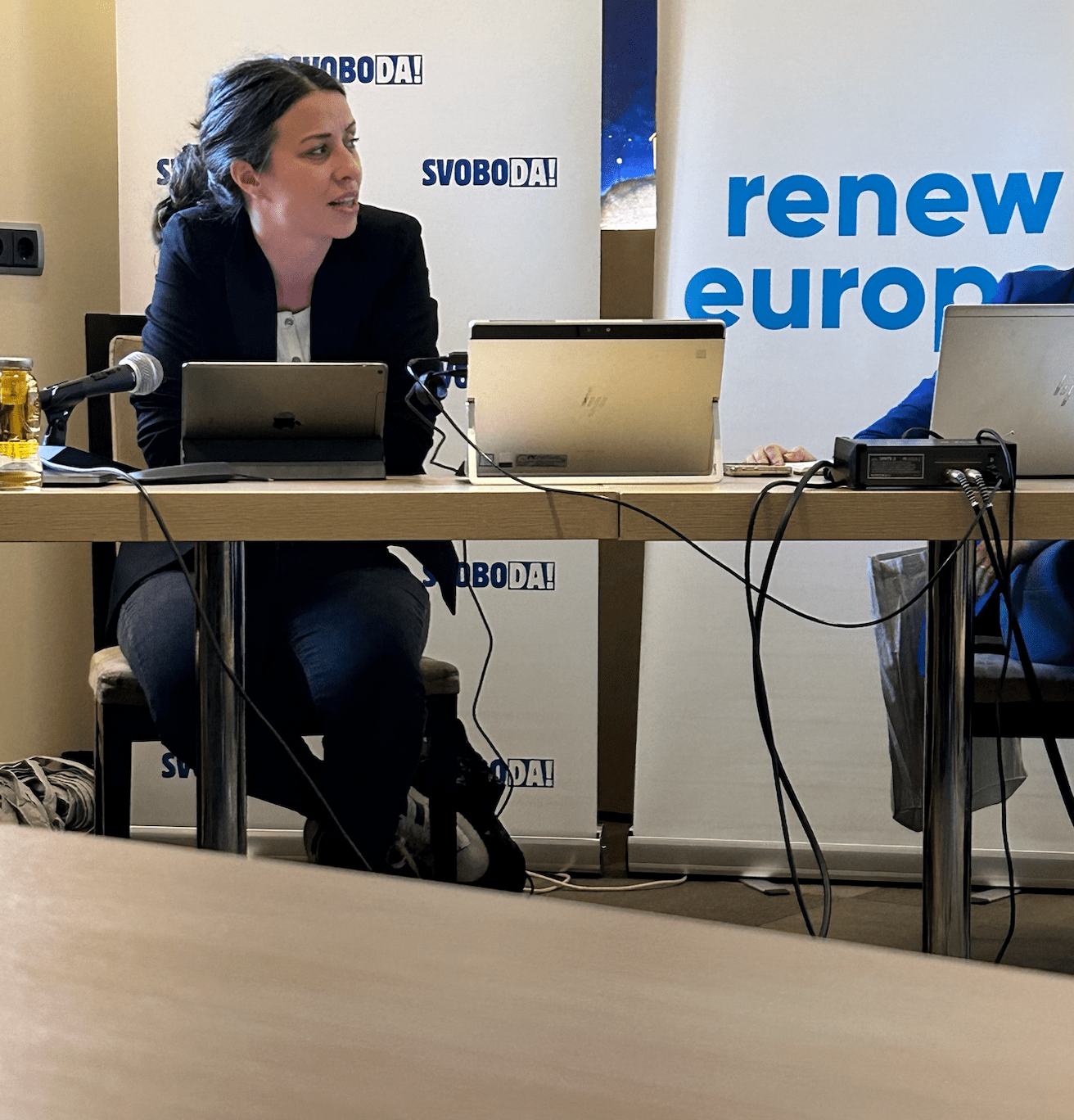
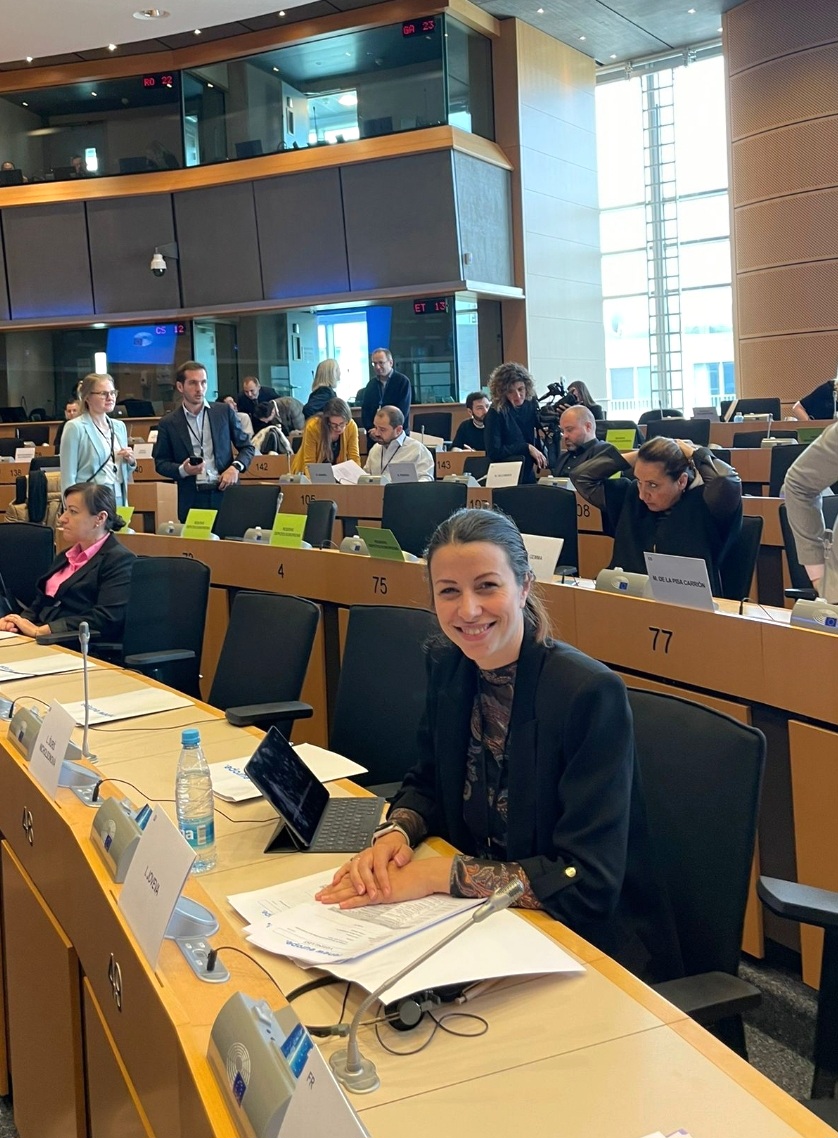
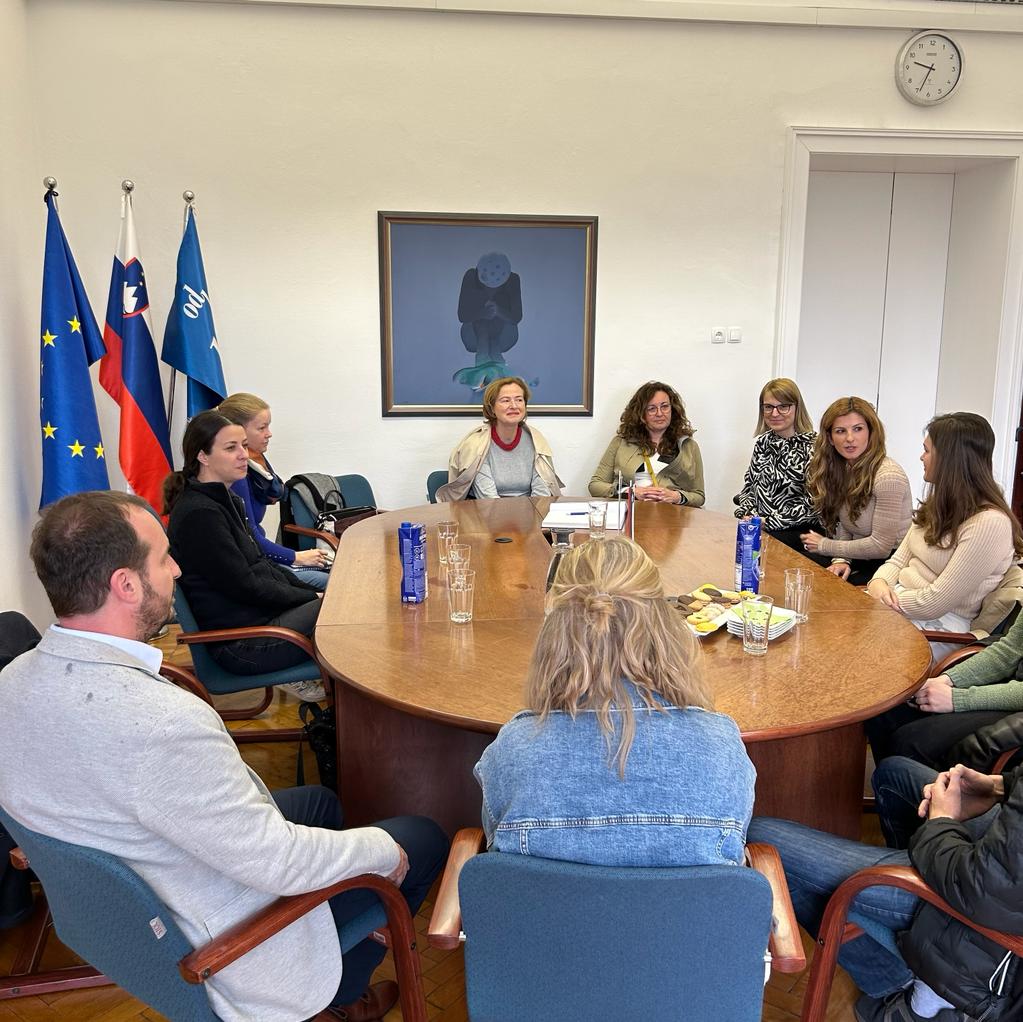
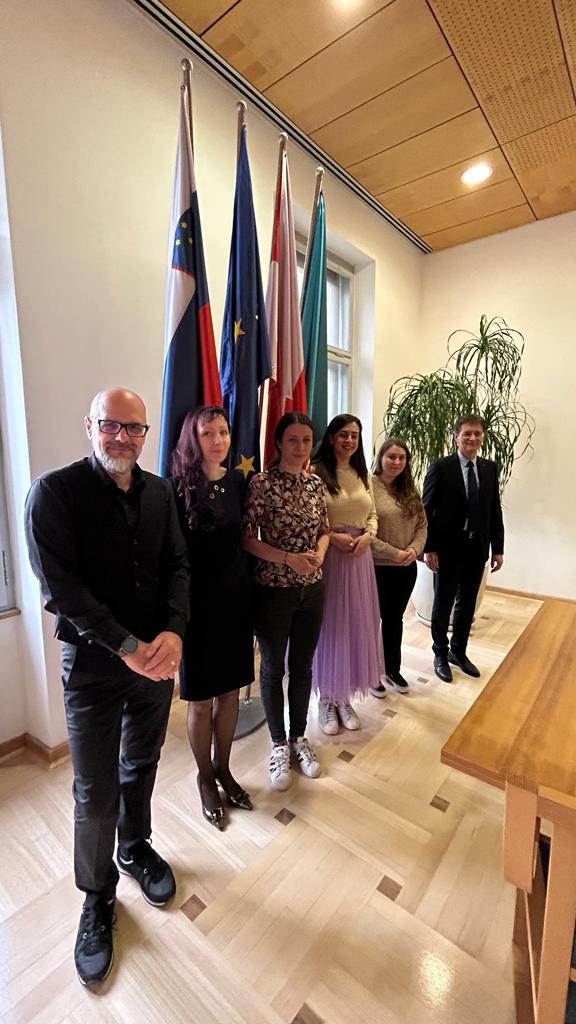
On Wednesday, 29 March 2023, MEP Irena Joveva met with Apple representatives. They discussed the (non-)use of the Slovenian language on Apple’s operating systems, products and services. This meeting – unlike previous ones – gave the MEP a little more hope that things would move forward, as the company assured her that localising their content into Slovenian was a priority. Nevertheless, Joveva said she would be keeping a close eye on the progress, which must not remain an empty promise. They agreed to stay in regular contact.

The meeting with Apple followed the letter the MEP addressed to Apple’s CEO Tim Cook in January this year. She was then contacted by the company’s representatives responsible for Central and Eastern Europe, who met her at her office at the European Parliament in Brussels on Wednesday, 29 March 2023.

They explained first and foremost that Apple is aware of the issue of localisation of its products and services and that Slovenian is their priority in this respect.

According to Joveva, nobody at the meeting minced their words, the conversation was very direct. The company representatives were well-informed about the events and developments that followed the MEP’s letter on the use of Slovenian in the digital world. The company obviously also knows the background of the issue and follows the developments in this area at both the European and national level. They also said that they were aware of the conclusions of the meeting of the National Assembly’s Committee on Culture, as well as of the announced revision of the national legislation on the use of the Slovenian language.

“We have talked frankly about all possibilities for a more stringent approach, legislative and otherwise. Because of their attitude I count on the company not to be making empty promises, but I made it clear that I shall not content myself with merely receiving perfunctory answers. We therefore agreed to keep in regular contact so that I can closely follow the progress on everything they have said they intend to resolve regarding Slovenian on their operating systems.”

BACKGROUND

MEP Joveva began her fight for the presence of Slovenian in the digital world with a letter sent on 15 September 2022 to the CEOs of Amazon Prime, Disney+ and Netflix. She called upon them to ensure that subtitles and dubbing are also available in Slovenian. On 12 January 2023, she also sent a letter to the CEO of Apple, calling for the use of Slovenian on the company’s operating systems, products and services. The letters were followed by a strong public response, which led to her being invited to a meeting on the subject by the National Assembly’s Committee on Culture. The meeting took place on 27 February 2023, and it resulted in a unanimous endorsement of MEP Joveva’s efforts and of the need to reform Slovenian legislation in this area.

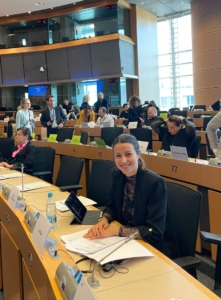
On Tuesday, 28 March 2023, MEP Irena Joveva attended the meeting of the European Parliament’s Committee on Culture and Education and its first exchange of views on the European Media Freedom Act, which will establish a common framework for media services in the Union’s internal market. “No one need fear media legislation … except those who are eager to see media freedom restricted and abused,” she made clear.

Joveva began by pointing out that media freedom is of paramount importance for our democracy and that it is an area that has too often been neglected in the Union’s rule of law toolbox.

“We can now clearly see that it is easier to defend existing freedom than to restore it once it has been demolished.”

Joveva supported her view by pointing out that what happens in one Member State has an impact on others and ultimately on the whole Union, including the single market. She noted that the Regulation proposes some common basic principles—such as the rights of media service recipients and providers—which she believes should be fully endorsed to ensure their direct application throughout the Union. The act should, above all, provide legal remedies for journalists, citizens and media service providers to protect various rights, she added.

“The most important thing I would like to stress is that no one should fear this European level media legislation—with the exception of those who are eager to restrict media freedom or abuse the media for their own or partial interests.”

In her view, the Regulation introduces a soft but encouraging push towards communication between national regulators to boost cooperation within the EU, thereby increasing public access to key information and creating safeguards within the Union; safeguards which ought not to be needed in an ideal world, but the reality is simply otherwise. The Act foresees the creation of a European Board for Media Services, which Joveva believes should not only be truly independent, but also have the discretion to give opinions on various topics.

“Transparency is one of the key parts of the Act, as it touches on ownership, state funding and advertising, which I would wish to see extended to all state actors, including state-owned companies. The fact is that there already are extremely large concentrations in Union markets, and these can have important political connotations. Thus, any potential merger or takeover in the media sector should be carefully and publicly scrutinised, while ensuring that the media provider has a sufficient degree of editorial independence, regardless of ownership.”

Joveva would furthermore equip the Board with even more expertise by including a wider range of participants, such as journalists’ associations, media representatives and media experts. As she pointed out, this is crucial for its functioning, as some national regulators lack expert support, and in some cases their staff are politically selected.

She also touched on Article 17, which has stirred up some controversy in terms of striking a balance. Joveva sees a solution in the appropriate designation process, which should ensure unambiguity as to who deserves certain privileges, but would also ensure greater transparency. Joveva admitted that she was initially sceptical about media exemptions, but now believes that professional and reputable media deserve a special place in relation to online platforms, as these have an increasing influence on our lives and perception of the world.

“I would like to stress that it is the responsibility of all of us and all Member States to protect the fundamental values of our democracies, with media freedom at the very top.”

The MEP concluded her speech by expressing optimism that all further discussions on the Act will be fruitful and that cooperation between the rapporteurs on the Act will prove effective.

On Wednesday, 29 March 2023, MEP Irena Joveva addressed the European Parliament during its plenary session in Brussels on the current developments at the national broadcaster RTV Slovenija. She said that its current management are not taking responsibility and refuse to admit that they are a disgrace to and unworthy of their positions: “They are only capable of making journalistic work impossible, of mobbing employees and of destroying the public service.”

The MEP began by saying that every decent person takes responsibility for his or her actions, even more so, if they are unlawful.

“And what are the management of RTV Slovenija doing? The Director General Andrej Grah Whatmough has been unlawfully appointed – as has been proven in court! He does not intend to resign. The former director of TV Slovenia, Natalija Gorščak, has been unlawfully removed from office – as has been proven in court! Her successor, Uroš Urbanija, does not intend to resign.”

Joveva recalled that there have already been numerous strikes by RTV Slovenija employees. In her opinion, the next one, which has been announced for 4 April 2023, is justified, considering that the situation at the public service broadcaster has not improved. Rather the contrary is the case, given that the management – as mentioned above – does not want to assume responsibility.

“Because they don’t want to end this agony, because they don’t want to admit that they are a disgrace to and unworthy of their positions. They are only capable of making journalistic work impossible, of mobbing employees and of destroying the public service.”

To conclude, she summarised her thoughts by borrowing the words of Val202 radio station journalist Nataša Štefe, who said that they do not need compassion, but rather that everything be done in accordance with the law and standards.

You can watch MEP Joveva’s speech here.

BACKGROUND

The Programme Council of Radiotelevizija Slovenia appointed Andrej Grah Whatmough as Director General of RTV Slovenija at its meeting of 25 January 2021, as the term of office of the then Director Igor Kadunc expired in April of that year. Applications for the post were submitted by Andrej Grah Whatmough, Igor Kadunc and Nataša Gorčak, the then Director of TV Slovenia. On 17 March 2022, following an initiative by Grah Whatmough, the Programme Council, in a new composition, reappointed Grah Whatmough as Director General, whereby the new vacancy notice no longer required from the applicants three years of managerial experience.

Kadunc challenged the appointment of Grah Whatmough, arguing that the managerial experience criterion had not been taken into account in the procedure. The Court of First Instance dismissed Kadunc’s complaint, following which Kadunc appealed to the Higher Court. The latter ruled that the decision of the Programme Council of January 2021 was unlawful and should be repealed, and that the appointment of Grah Whatmough was therefore unlawful.

On 20 August 2021, the then Director General of RTV, Andrej Grah Whatmough, dismissed Natalia Gorščak from her post as Director of TV Slovenija. A panel of the Ljubljana Higher Labour and Social Court ruled that the dismissal in August 2021 was unlawful, as had previously been found by the Court of First Instance, against which the RTV management appealed.

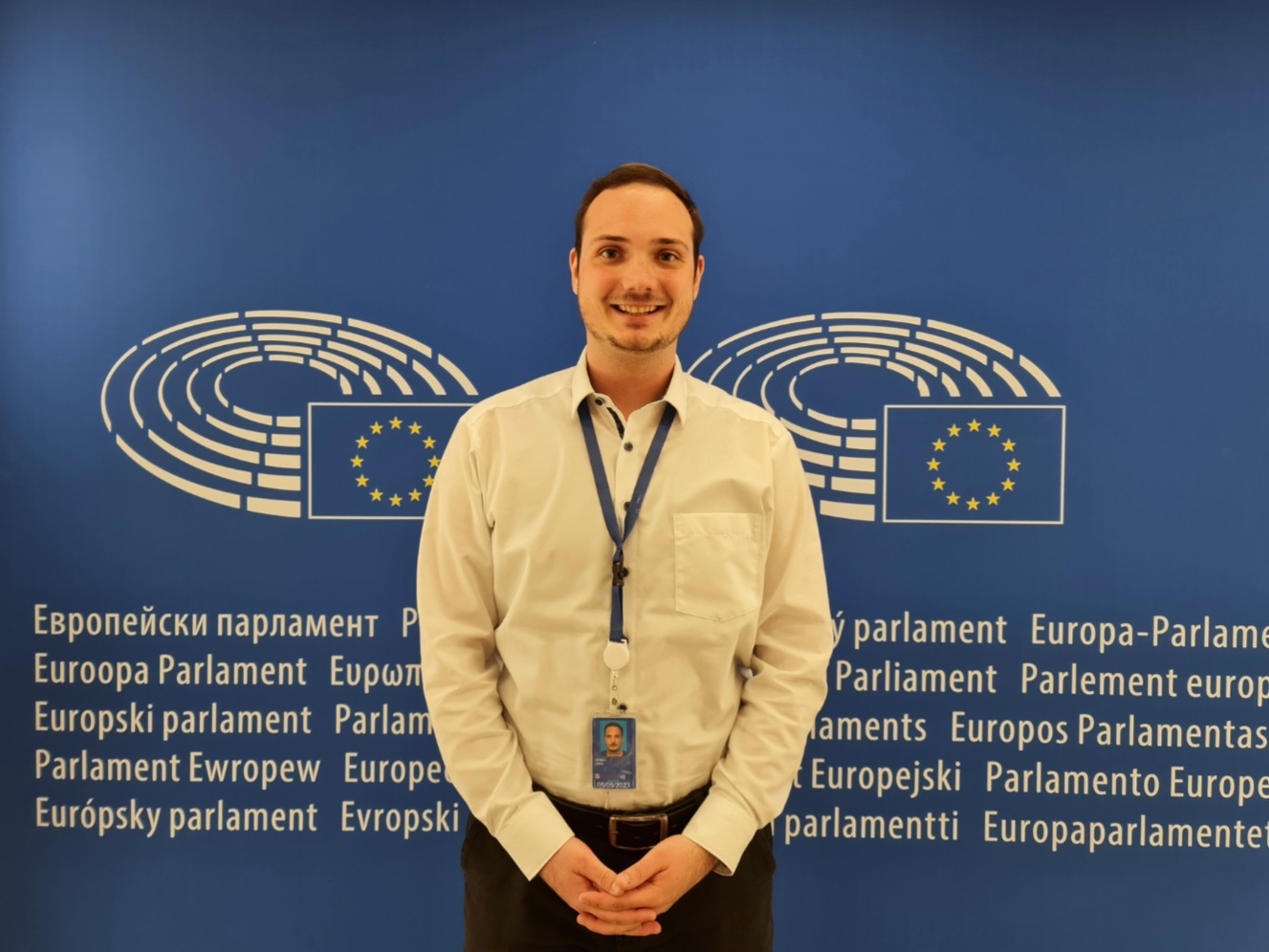
My motivation and why exactly traineeship with Irena Joveva?

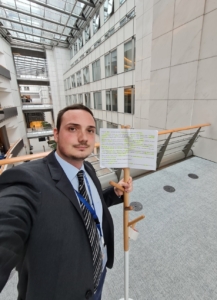
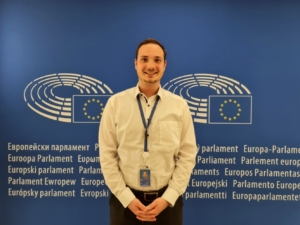
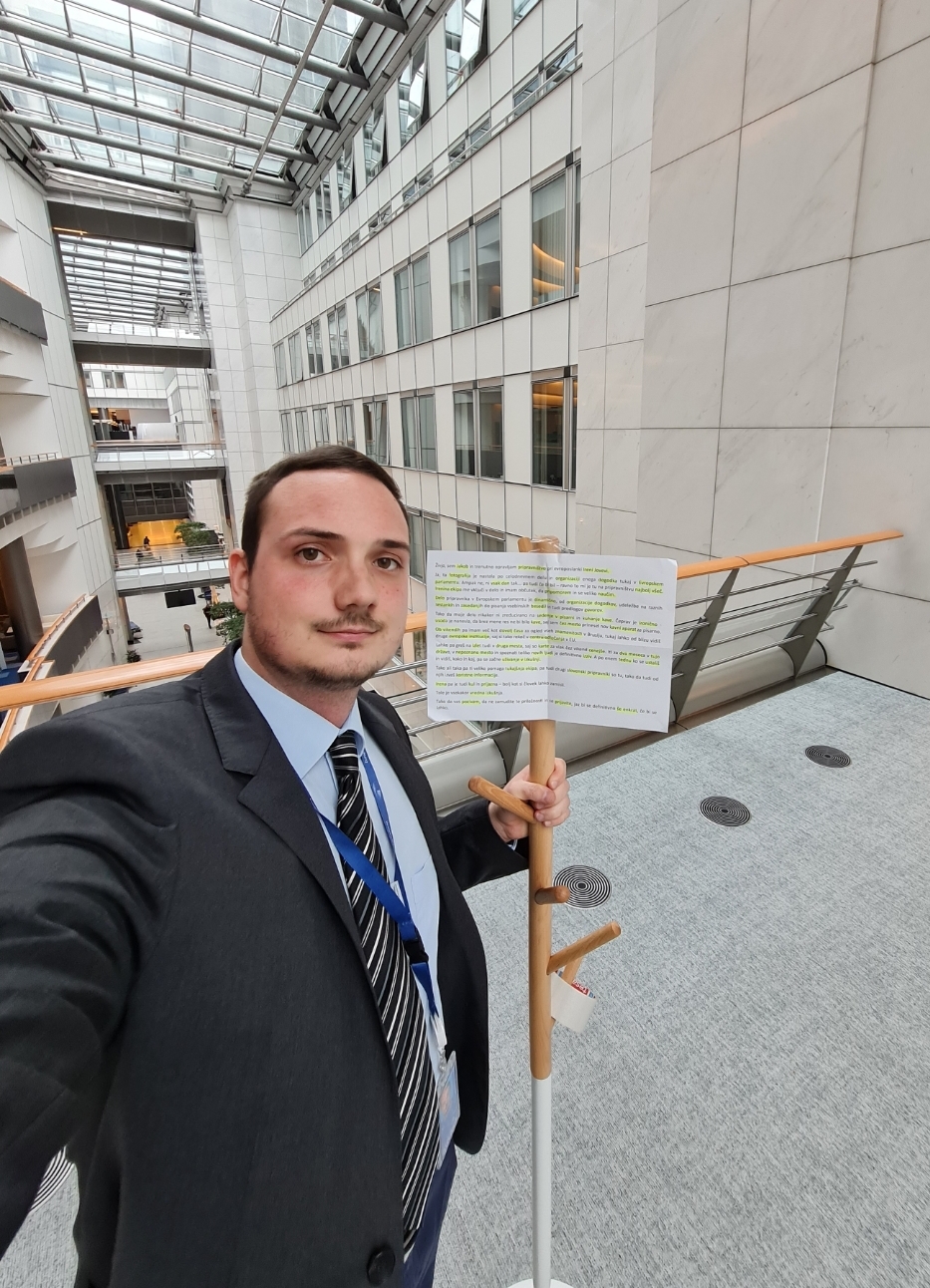
Every story has to start somewhere, and mine began one day when I came across a call for traineeship at the Brussels’ office of MEP Irena Joveva. I decided to apply because I study International Relations at the Faculty of Social Sciences and because I have always been interested in politics, diplomacy, international law and history.

What motivated me to do a traineeship with Irena Joveva was that we share the same values, that Irena does not promise everything to everyone, but when a promise is made she delivers on it, and she always puts transparency first. Traineeship in her office is open to all, it is not conditional on membership of a certain party, but rather on knowledge and professionalism. She has earned her place through hard work, and she has not changed on account of her position, as I was able to witness time and again during my traineeship. Irena is the kind of person who will always listen to you, always introduce you as her colleague, thus giving you a sense of belonging. It is this consideration that I will remember the most, alongside all the other values that she embodies.

After applying, I soon set about writing a motivation letter, then an essay, after which I was interviewed by the head of the Slovenian office and assistants, and finally by Irena. What I remember most from that interview is how I spent some time afterwards ruminating on my answers, wondering if I had forgotten anything, and how happy I was when the phone rang while I was at work and I received Irena’s message that I had been accepted. Not long after that, I found myself on a bus on the way to Brussels – unfortunately, just at the end of October last year, flights from Brnik Airport were suspended, making an (excessively) long bus ride the only possible alternative.

Tip no. 1 for prospective trainees: Be relaxed during the interview, prepare, don’t be afraid of rejection and, if you are rejected, use the time until the next call for applications to improve your knowledge and to fill in the gaps – follow the “where there’s a will, there’s a way” principle.

Tip no. 2: If possible, take a plane, or if you are afraid of flying, join the FB Group Slovenians in Brussels, where you can find a car ride, which will be much faster and more comfortable than taking a bus or a train.

First impressions of Brussels and the European Parliament?

Before coming to Brussels, I didn’t know what to expect, as I had never had “roomies” before, nor had I ever been away from home for so long. It was my first international experience, and for this reason I was all the happier to be staying at the Slovenian Pastoral Centre, where I met my roommates, who became true friends and without whom my first escape from the comfort zone wouldn’t have been the same. Even though the radiators were sometimes cold, their gestures were so much warmer and often gave me a new boost and made it easier for me to adjust to the city of Brussels.

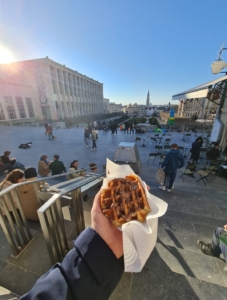
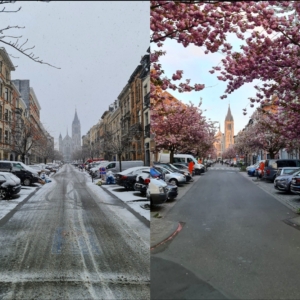
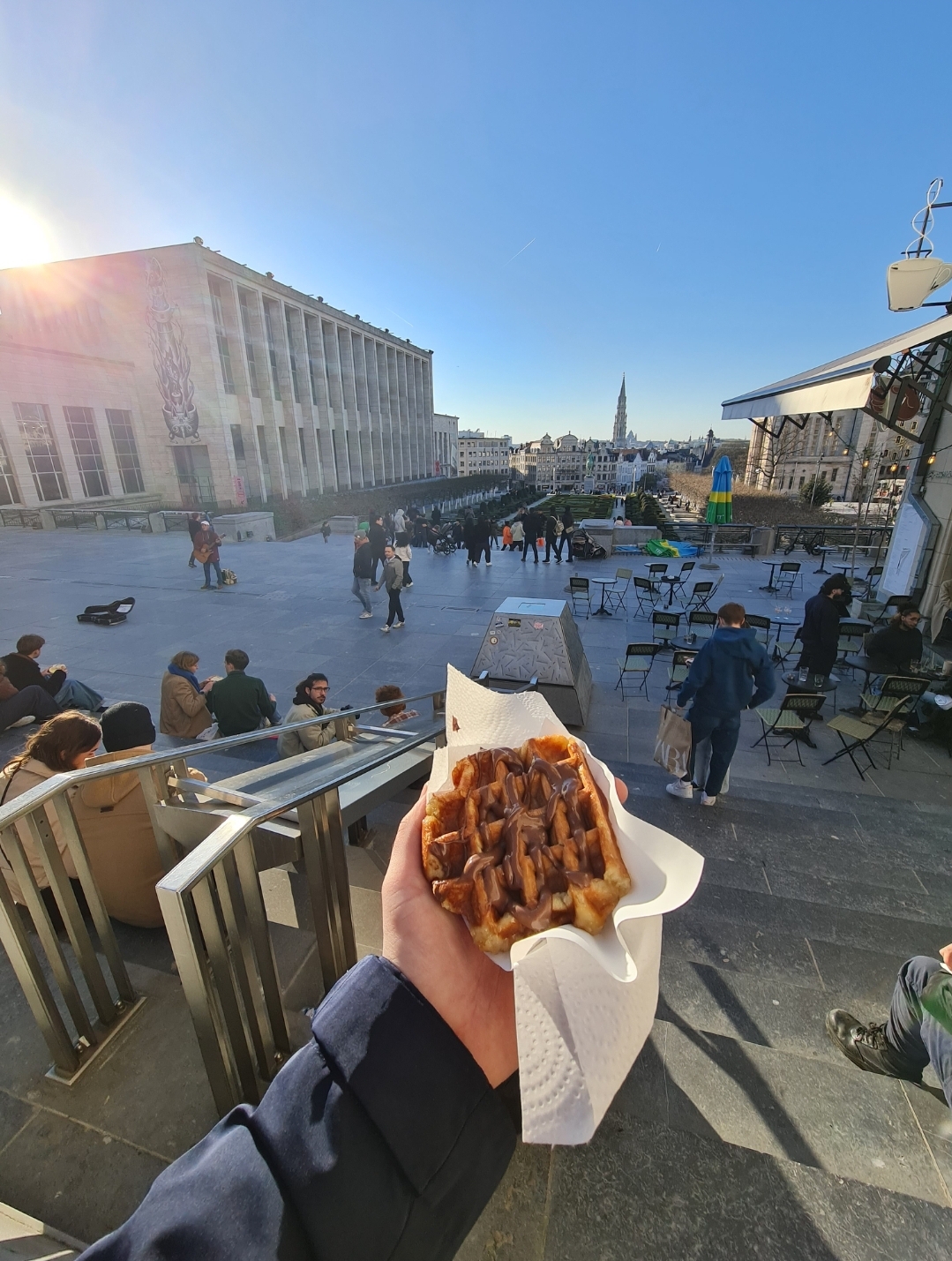
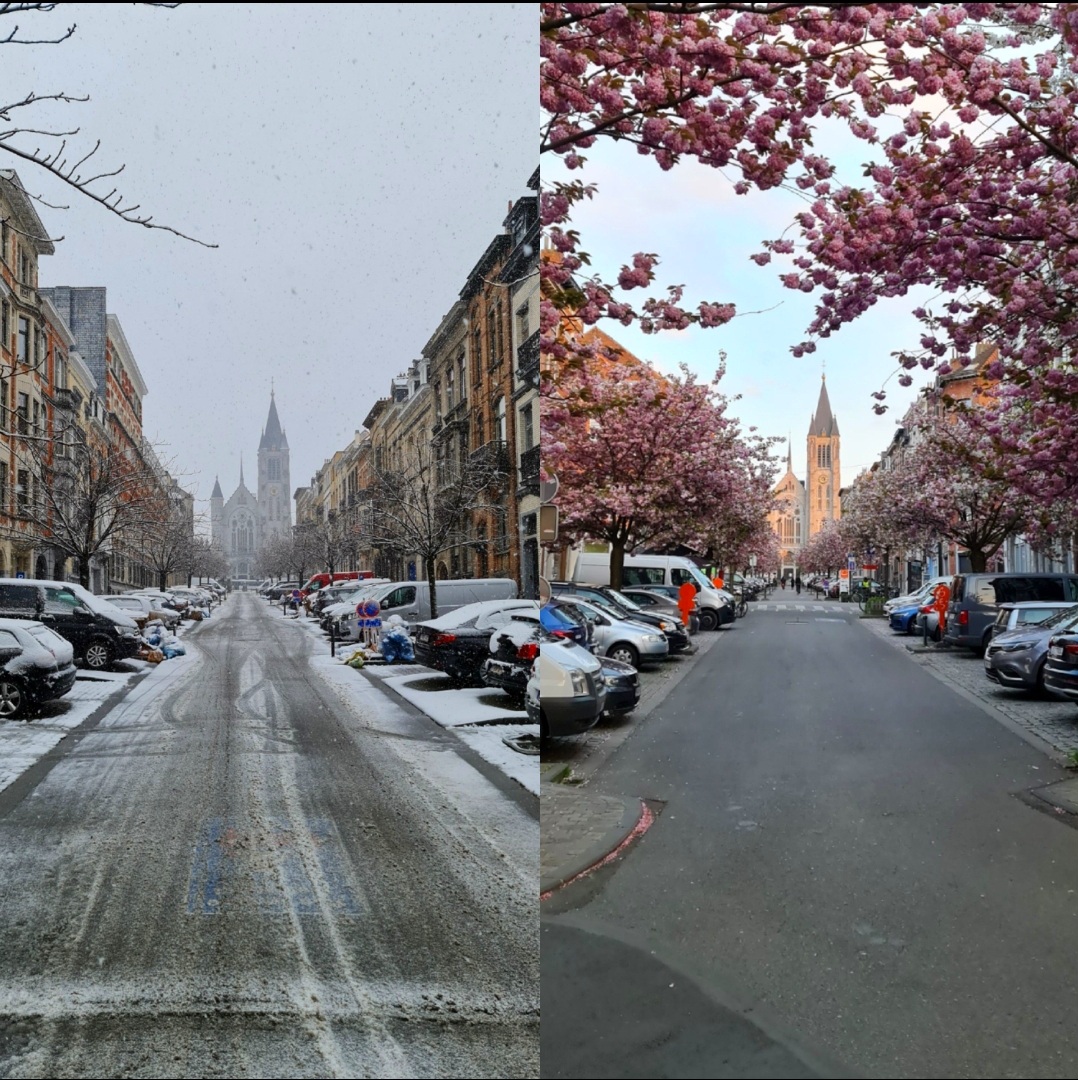
Brussels itself is, as I see it, very different from Slovenian cities, as it is a metropolis where different cultures, languages, nationalities mix and I have to admit that it is not exactly “my cup of tea”, as one might say. My first impression on arrival was that Slovenian cities are much tidier. Plus, I feel considerably more secure at home than I did here. One also gets accustomed to frequent protests, as this is how acute problems in society are addressed in Belgium, so don’t be surprised if protests take place almost on a weekly basis. On the other hand, you will soon appreciate the very good public transport system, which allows one to choose between efficient bus and metro services, or a useful tram system. So give the city a chance, explore its diverse and very informative museums and beautiful spots such as the various parks that offer an escape from the concrete jungle, and definitely taste the famous Belgian waffles, chocolate, fries or, for example, the Flemish beef carbonnade. Don’t forget to have some fun and at least attend a couple of the famous Thursday parties at Place du Luxembourg (known as Plux), where late in the afternoon the bars turn into nightclubs and where young people and trainees from all institutions can meet and socialise (but don’t forget that Friday is a working day all the same).

Tip 3: Before arriving in Brussels, it is essential to find accommodation for the duration of your stay and be careful as there are lots of scammers.

On my first time in the Parliament, I was afraid that I wouldn’t find our office the next day, given that there are so many corridors, rooms and floors that look identical.

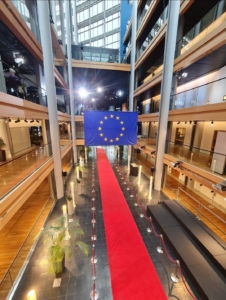
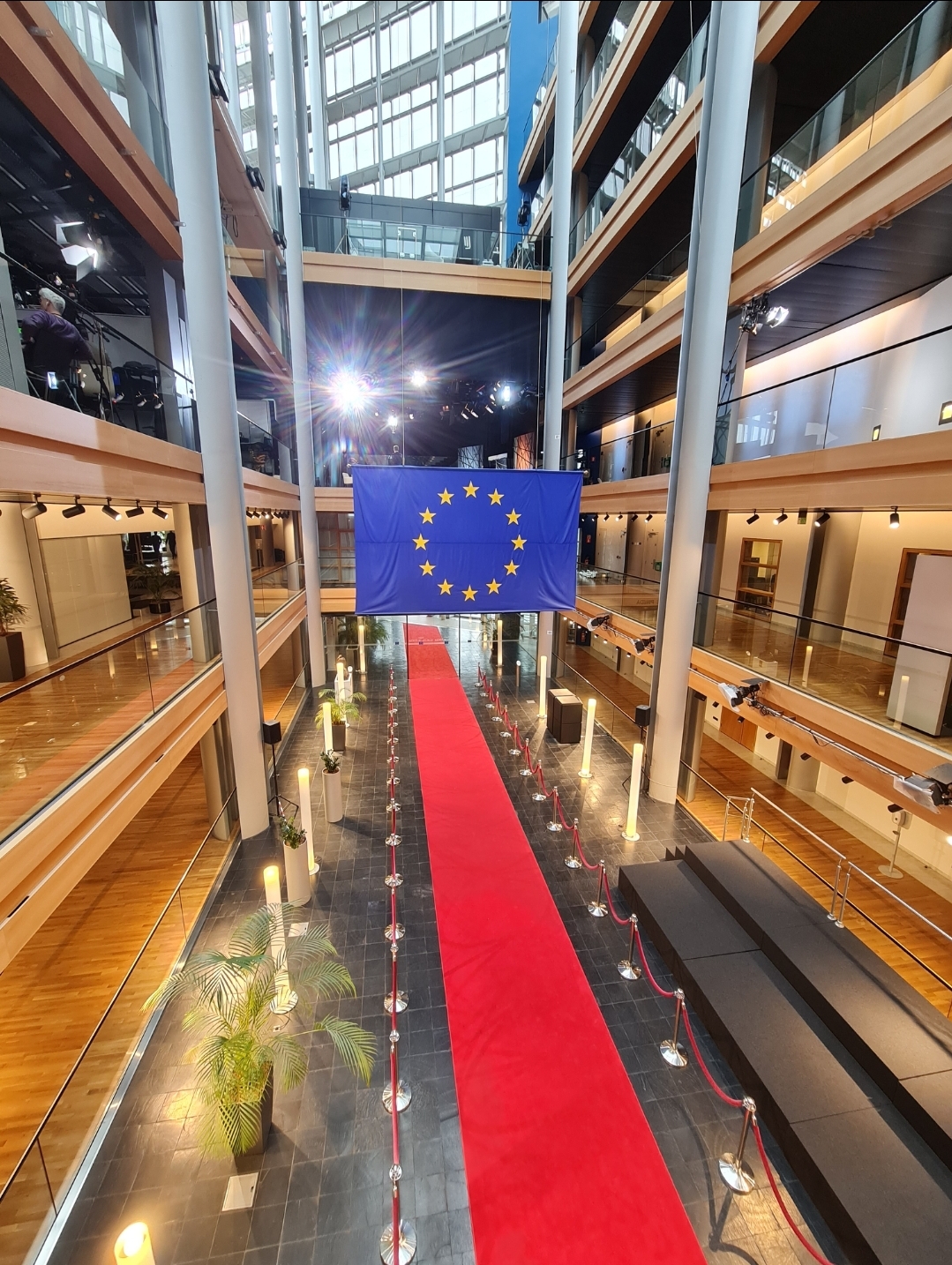
It is not for nothing that everyone describes the European Parliament as a maze – at first I was very confused as well. The European Parliament is a city in miniature, with more than 10,000 people coming here each day, and as such it embodies the international nature of the European Union. It is a place where different nationalities meet and a wide range of languages are spoken, with English and French dominating the scene. Inside the Parliament you can find everything from shops, cafés and canteens to a dry cleaner, a media corner, a hairdresser and even a gym.

During my traineeship, I had the opportunity to listen to many interesting debates and addresses in the Parliament. I would specifically like to mention the visit of the Slovenian Prime Minister, Robert Golob, who focused in his speech on the energy crisis, the green transition and EU enlargement, and the visit of Ukrainian President Volodymyr Zelenskyy, who thanked the Union for granting Ukraine candidate status and called for continued active support in the war.

Tip 4: The most important floor is the third, connecting floor. From here, one can reach any part of the Parliament. Our office has the advantage of being located right on this floor. Make sure you head off to all the live meetings on time, as it’s not unusual not to find the right room straight away.

The nature of work in the office

My four-month traineeship in the European Parliament was an incredible experience that gave me a better insight into the work of MEPs, as well as a behind-the-scenes look at European politics. What struck me most about the nature of the work was its dynamics, as no day or week is the same as the previous one. I have had the opportunity to closely follow the developments in the Environment, Public Health and Food Safety Committee (ENVI) and the Culture and Education Committee (CULT), as well as Irena’s work as Vice-Chair of the EU-North Macedonia Joint Parliamentary Committee, and the Delegation for relations with Palestine, in which Irena serves as a substitute member. The plenary week deserves a special mention, as this is when the days are taken up with working and political group meetings, topical debates, adoption of various reports, interviews with journalists and votes.

For the office work to run smoothly, it is important to be proactive, as a trainee’s work is not limited to “making coffee”; rather, we are entrusted with responsible tasks, which have given me new skills and strengthened the ones I already had. My responsibilities ranged from helping to organise events on behalf of our office to substantive work. I have had the opportunity to follow committee work, actively participate in meetings, draft notes and press releases, assist in writing plenary speeches, speak at meetings, do some research and attend the plenary session in Strasbourg. What I appreciated the most was that I always felt like an equal member of the office, so be brave and make suggestions, because everyone’s opinions, ideas and proposals are taken into account.

One of the most important lessons I learned during my traineeship was the importance of teamwork and collaboration. Our office was an example of a diverse team of individuals, working together for a common goal, which was to promote European values and represent Slovenia in the best possible way. At this point I really must mention both assistants, Žana Špegel and Rok Lesar, who are extremely professional, acting as a treasure trove of knowledge, providing expert assistance and writing amendments on various topics, and those really never run out. The person who has helped me the most in adapting has been our Head of Office, Elma Oručević. Throughout my traineeship, Elma has acted as my big sister and has taught me so much about life and work itself. I really do not think that any of the staff knows the Parliament as well as she does; she is a polyglot with excellent networking skills and she takes care of everything: from organising events that help raise the profile of our office, to maintaining contacts with other stakeholders, to the administrative work, which never seems to end. They say you are only as strong as your team, and I think Irena truly has the right team behind her.

Finally, some practical tips for future trainees:

  • Don’t hesitate to ask questions – it’s normal not to know everything, so whenever you have a question or an issue, don’t be afraid to ask or seek advice;
  • Be proactive – take the initiative to find new opportunities and solutions, and be ready to help your colleagues, because you are all part of the same team;
  • Be open – the European Parliament is an institution with staff from different countries, cultures and backgrounds; it is thus important to be respectful and open to others, to learn from their experience and understand their perspective;
  • Stay well informed – always be up to date with the latest news and the latest areas covered by the office. This will help you to better understand the context of your work and to contribute more effectively;
  • Networking – building relationships is essential in the European Parliament, so attend events, meet new people, take part in debates, broaden and gain new insights;
  • Don’t forget to take time for yourself – the European Parliament is a busy and demanding environment, so it’s important to take breaks, look after your well-being and maintain a healthy work-life balance.

– Marko Miladinović

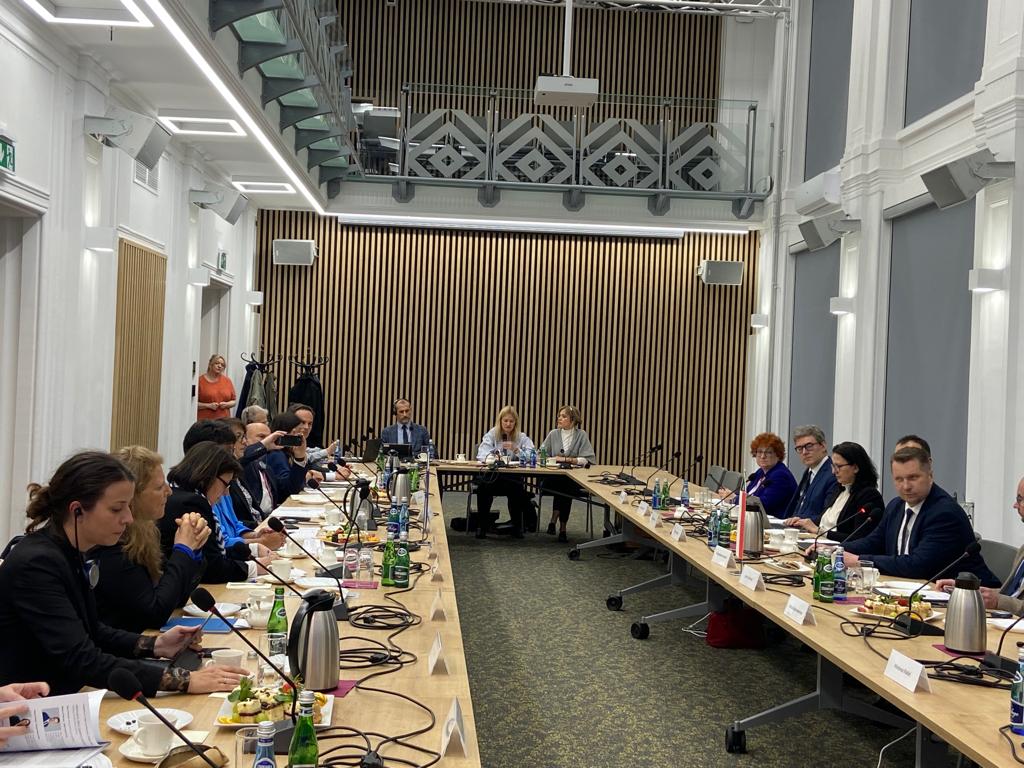
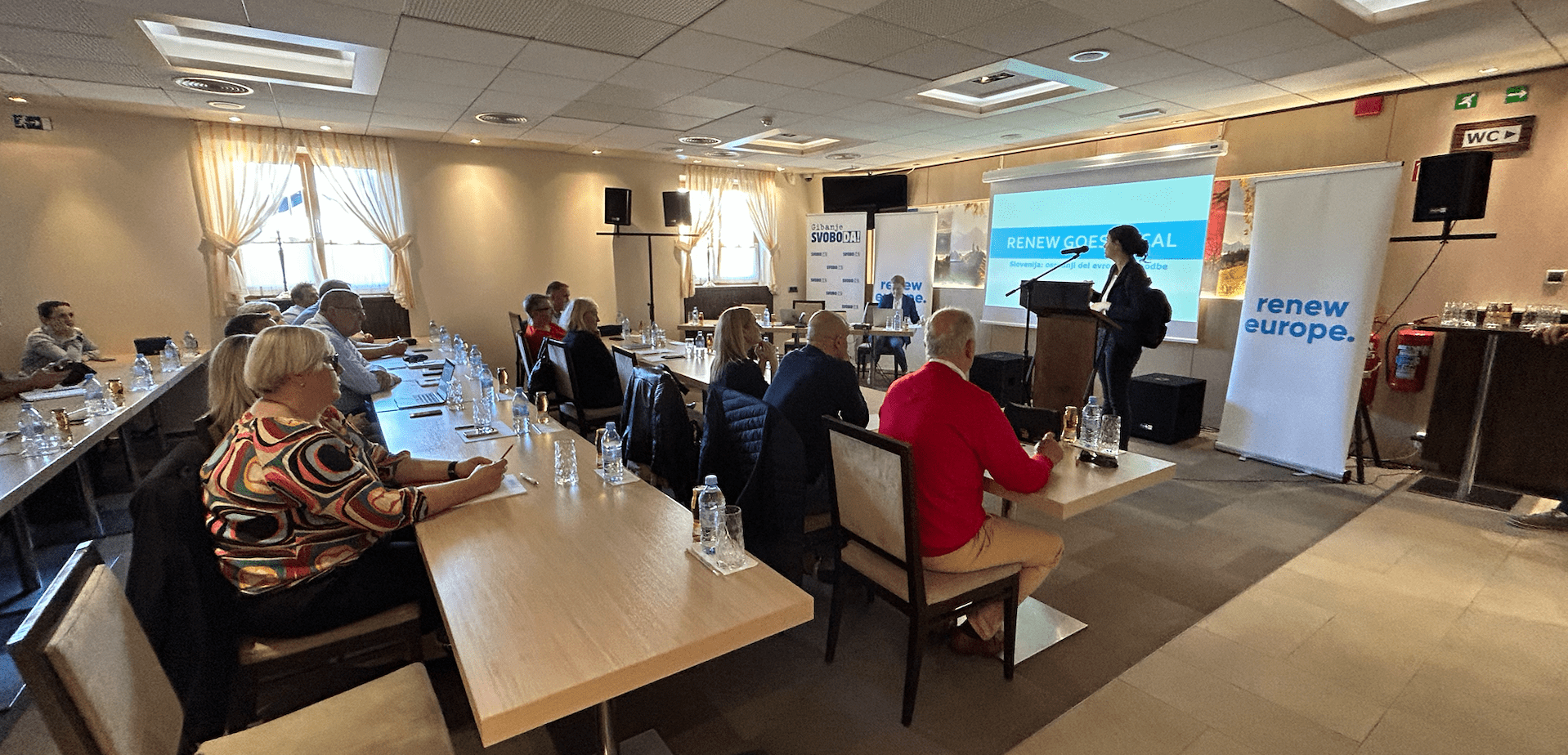
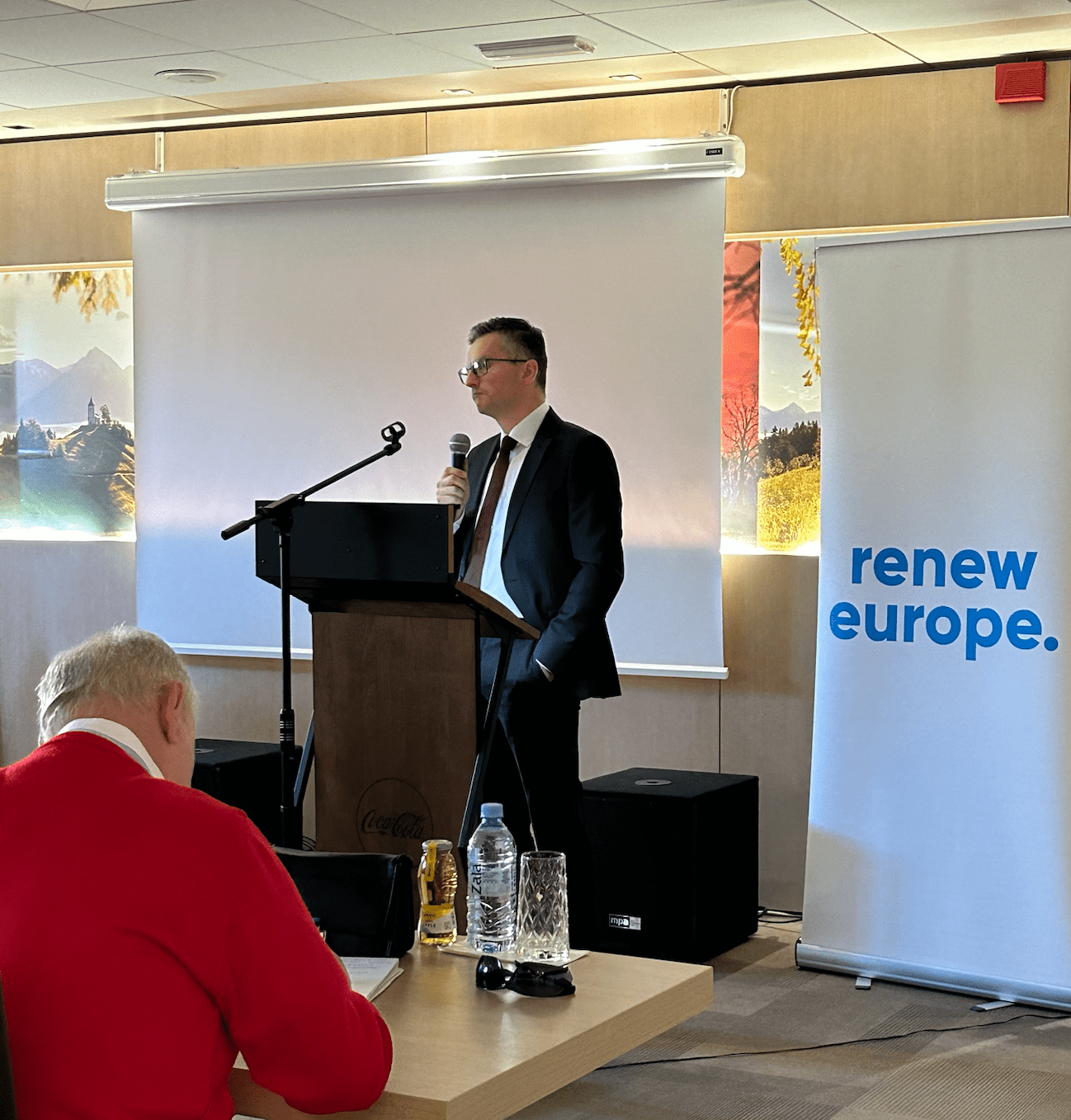
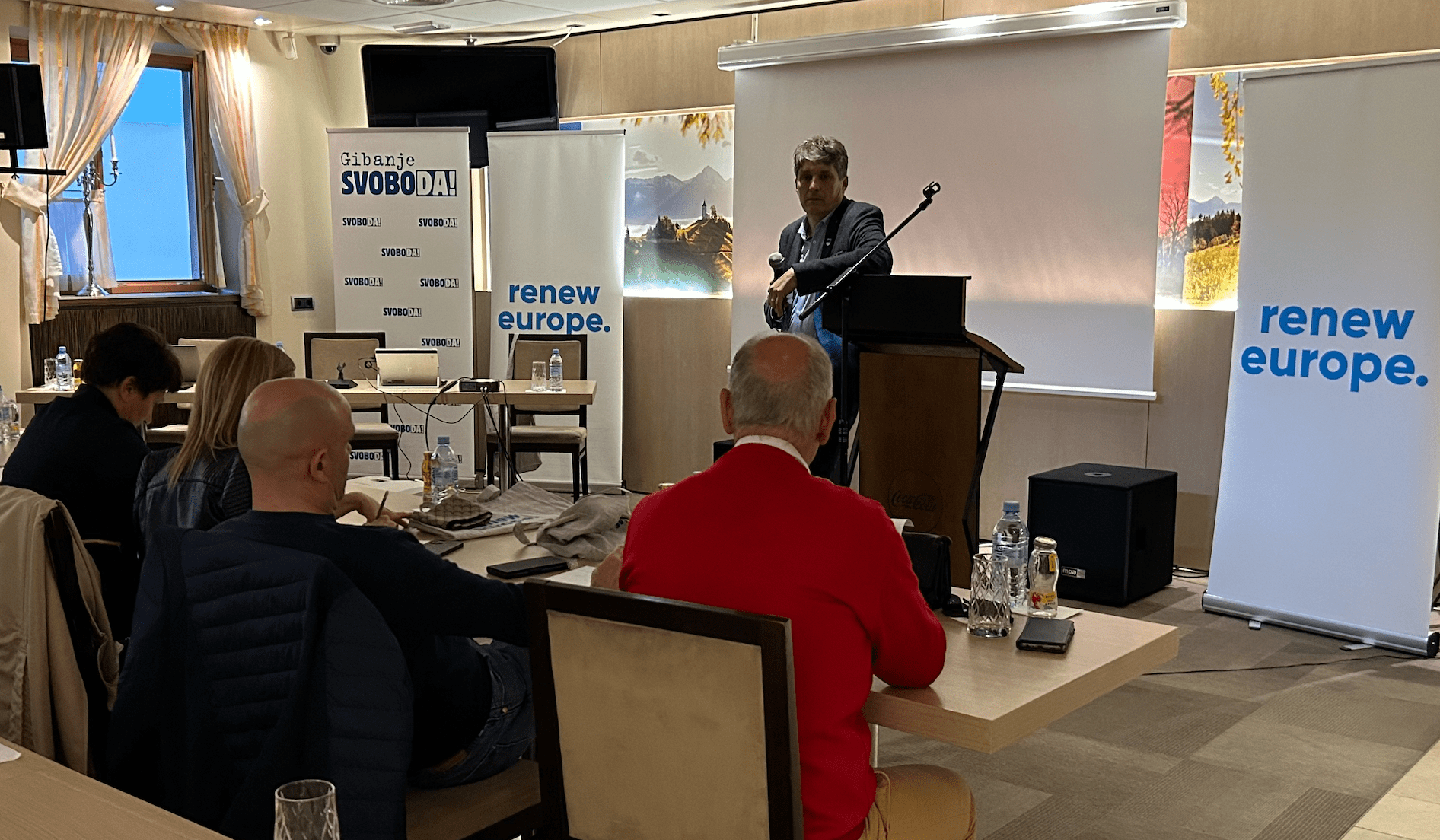
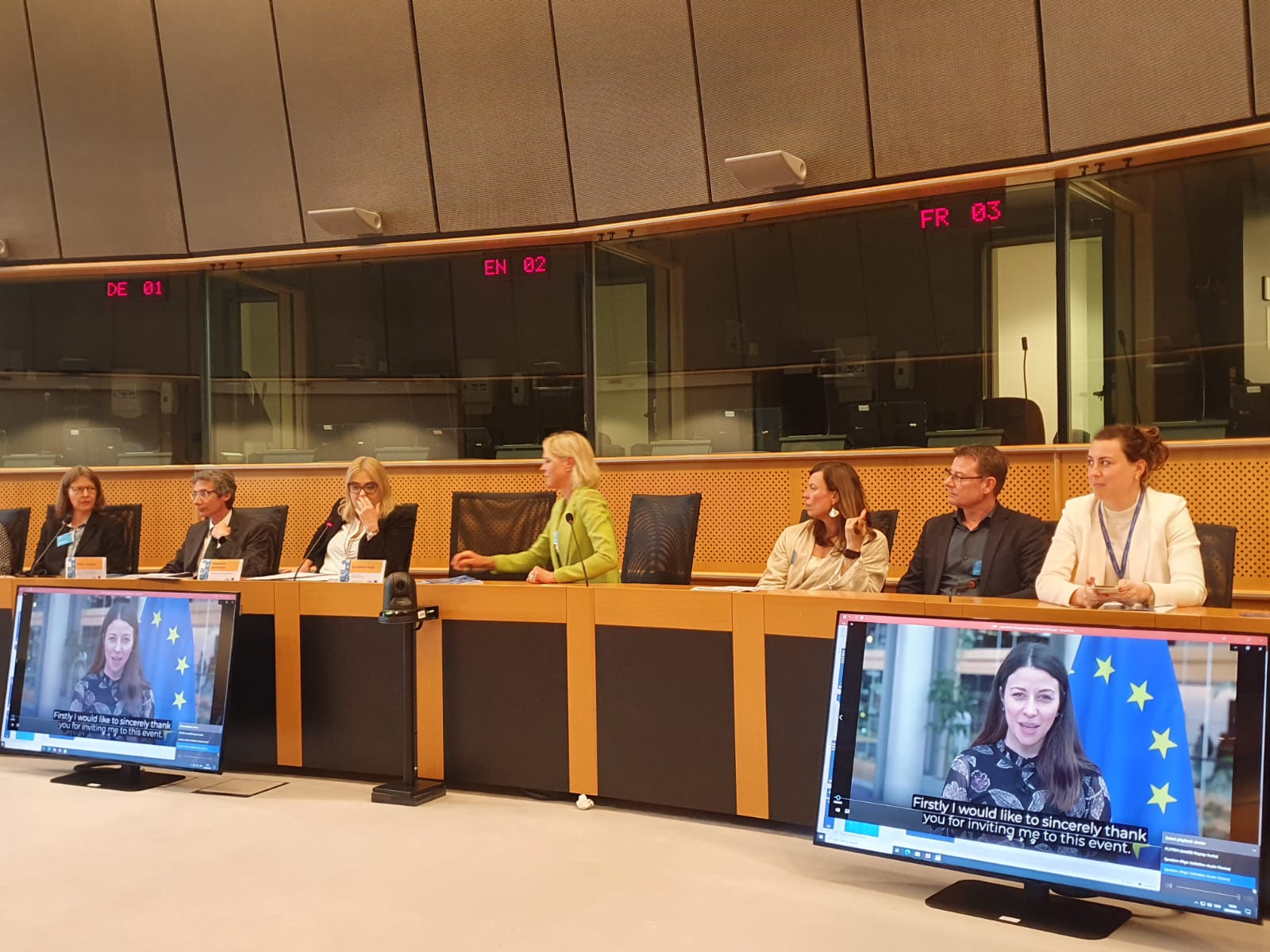
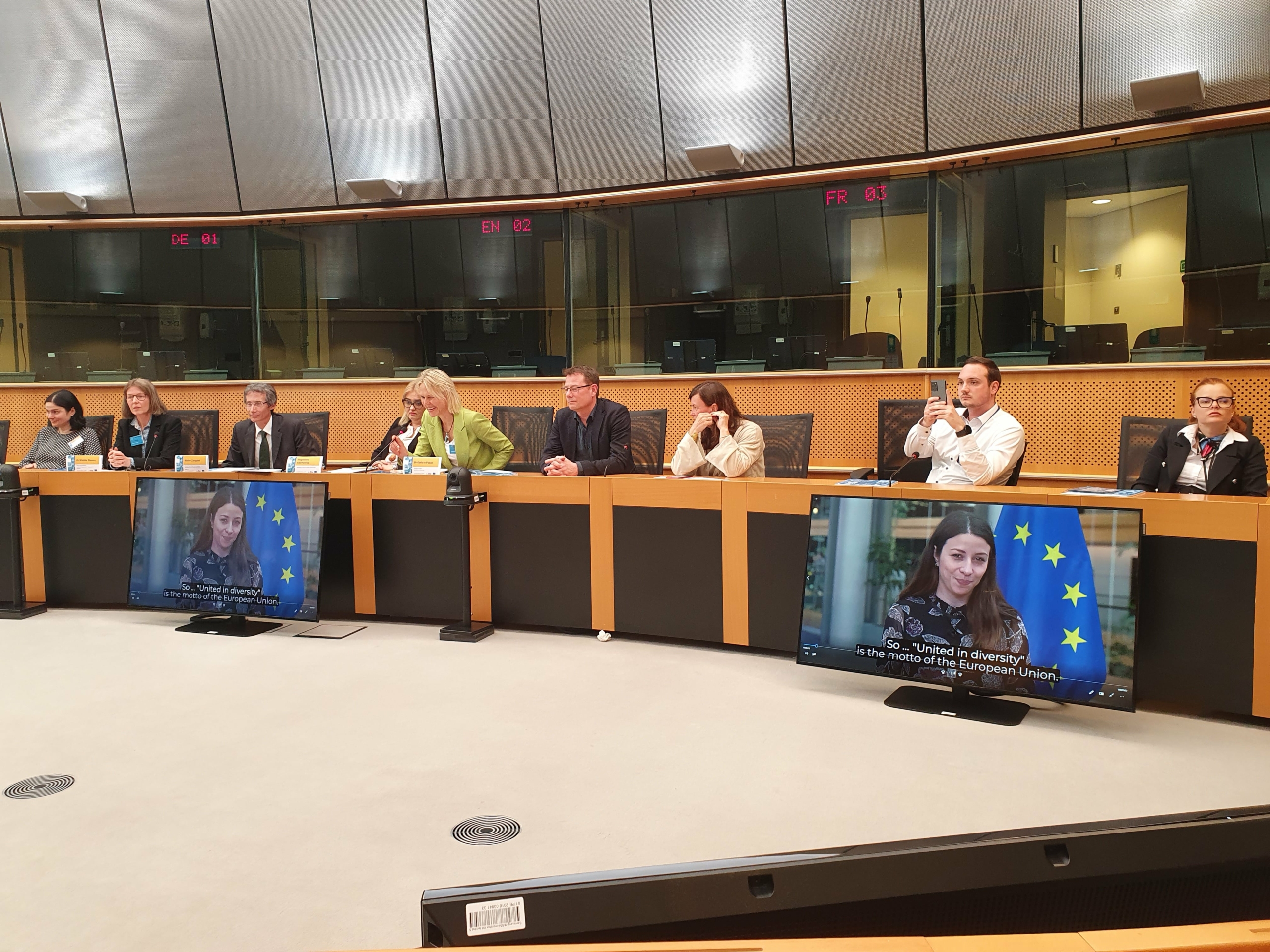
On Wednesday, 22 March 2023, the Renew Europe political group in the European Parliament organised an exchange of views on the European Media Freedom Act (EMFA) with media experts. “For me, it is important to have an EU-wide framework with some common basic principles. (…) It is the responsibility of all Member States and all citizens to adhere to and protect the core values of our democracies, which includes a free media,” explained MEP Irena Joveva, chairing the first panel.

As Joveva emphasised, it is the responsibility of all Member States to respect and protect the Union’s fundamental values. She recalled that journalists are under immense pressure, which makes it difficult for them to do their job in accordance with their professional ethics and provide the public with independent and critical information. She mentioned the importance of protecting journalists from strategic lawsuits, and of having measures in place against spying on them, silencing them and exercising undue political interference in editorial independence. She noted that private media are also indispensable as they ensure pluralism and open public debate, but that we also need clear transparency and scrutiny of state advertising, concentration and media ownership – including cross-border ownership. That is why the European Media Freedom Act is needed, she said clearly.

This was echoed by European Commission Vice-President Vera Jourova, who said in her opening address that EMFA is about common principles and standards across the European Union that will allow media and journalists to do their job freely:

“We put for the first time in EU law that Member States shall not interfere in the editorial policies and decisions by the media. (…) We want EU countries to set in law objective criteria for appointing the managers and governing boards. The Act also states that the financing of public service media should be sufficient and predictable. This is based on the Council of Europe guidelines Member States have subscribed to. We also propose clear provisions with stronger safeguards against the surveillance of journalists.”

The first panellist, Professor Beata Klimkiewicz (Poland), focused on the power of the media in interpreting socio-political reality. “The media’s interpretation influences our perception of the world around us. (…) The public expects the media to be credible and act according to certain standards of profession on the one hand, but also to be accountable on the other.”

She went on to highlight the importance of the allocation of economic resources to media outlets, which makes them vulnerable to foreign interference and manipulation. “The allocation of economic resources (…) to the media calls for greater transparency and fairness in the allocation of state advertising. Problems with transparency of media funding occur in many European countries,” she warned.

In continuation, Professor Dr Marko Milosavljević (Slovenia) said that the way the public interprets shared content largely depends on the medium that delivers it and on self-regulation, which is often unsatisfactory or even absent. “Very large – and in a way completely irresponsible – online platforms can still decide, very arbitrarily, where and why and how certain media content will be placed, won’t be placed, will be blocked, and won’t be accessible by the public,” he emphasised.

As he explained, he regularly sees online platforms removing legitimate, legally permitted journalists’ news, stories or images for one reason or another. Therefore, in his view, the European Media Freedom Act needs to be stronger in this context, to set clear requirements.

He also spoke about the importance of a strong media environment and professional journalism for democratic societies, and stressed the universal nature of media freedom issues, which the EU needs to address in a uniform manner, as it has done with the Digital Services Act: “It is important to have a universal European document, a legal basis for all EU countries, regardless of whether all or only some Member States have problems with adequate regulation of the media.”

Professor Dr Gábor Polyák (Hungary) said that in the European Union, without media freedom, there is no free European media market, no free and fair European elections, and no guarantee of detection of the misuse of EU funds. “At the moment, we have a variety of national laws which, despite their existence, allow illiberal populists to gain strength. The Commission’s proposal needs to be improved and a compromise found among the interests of the Member States to meet the need to strengthen media freedom in Europe,” he stated.

In his view, the most important task of the newly created supervisory body, which will strengthen the European coordination of national media regulators, will be to monitor and objectively assess the impartiality of the information activities of the media.

MEP Joveva pointed out, among other things, that it is important to have a set of common rules and regulatory cooperation within the EU’s single market, because what happens in one Member State has an impact on other Member States and on the Union as a whole.

“It is also important to give the media the special place it deserves in our market and ensure clear transparency and public scrutiny of issues such as media concentration, media ownership, the allocation of state advertising and, of course, the situation regarding online platforms.”

She explained that it will be necessary to find common and general principles that will apply to one and all, and will complement safeguards. “With these and through fostering cooperation among regulators, with the help of experts, we can only improve European media standards,” concluded Joveva.

You can watch the full event (in English) here.

On Thursday, 23 March 2023, MEP Irena Joveva was elected Vice-Chair of the Subcommittee on Public Health (SANT) at its inaugural meeting. Protecting, improving, promoting and strengthening public health – all of these are among our core responsibilities, she said when elected.

In the European Parliament, Joveva has always been active in the field of health policy, equal treatment of patients in the European Union and care for public health.

“In recent years, when our health systems have been put to the test, many of their shortcomings and underlying problems have been laid bare. This, too, will be addressed by the subcommittee that will play a key role in building a much-needed and genuine European Health Union. I am delighted that I will be able to be part of it.”

During the October plenary, Joveva already addressed the issue of the European Health Union and the importance of empowering the European institutions for their effective work. As a full member and a vice-president of the subcommittee, she intends to continue her people-centred activities:

”No matter where we come from or what our personal circumstances are, all Slovenes and all Europeans deserve access to health systems that first and foremost serve the benefit of patients, the benefit of all of us. In this context, transparency in the purchasing of medical equipment and the digitisation of the health system for a more optimal functioning play an important role. Without health, we have nothing, but we don’t take this seriously enough. That is why I am delighted that I will be able to be even more active in public health policy and to do more for it. More for each and every one of us.”

Photo: Jan VAN DE VEL

Photo: Jan VAN DE VEL

The Subcommittee on Public Health will work under the umbrella of the European Parliament’s Committee on the Environment, Public Health and Food Safety. It will have 30 members and will deal with programmes and specific actions in the field of public health, pharmaceutical and cosmetic products, health aspects of bioterrorism, the European Medicines Agency (EMA) and the European Centre for Disease Prevention and Control (ECDC).

The Committee on the Environment, Public Health and Food Safety (ENVI) will remain responsible for examining and voting on legislative proposals. It is this Committee where the Slovenian MEPs were assessed to be among the best performing national delegations in 2022 in terms of health-related legislative activities, proportionally to the delegations’ size.

In addition, Joveva continues to be a substitute member of the Committee on the Environment, Public Health and Food Safety (ENVI) and of the Special Committee on the COVID-19 pandemic: lessons learned and recommendations for the future (COVI).

On European Union health policy:

The European Union has put in place a forward-looking framework for the health security of EU citizens. In October 2022, the Council adopted the final acts on the European Health Union with the Regulation on serious cross-border threats to health, the Regulation on the extended mandate of the European Centre for Disease Prevention and Control (ECDC) and the Emergency Framework Regulation to provide the European Health Emergency Preparedness and Response Authority (HERA) with extra powers.

On Wednesday, 15 March 2023, MEP Irena Joveva spoke at the Strasbourg plenary session in the debate on cross-border adoptions of children from third countries. She pointed out that the price of the lack of a single legislative framework or mechanism for cross-border adoptions will be paid by the children, which none of us should wish for: “Enough with the excuses about who is competent for the matter and who is not. Let’s take responsibility, all of us, and let’s act.”

Children are our future. I know it sounds like a cliché, but it’s as simple as that”, began Joveva, stressing that at the same time, as the most vulnerable part of society, “these children are at the mercy of our decisions to take measures to ensure their safety”. In her view appropriate conditions must be created for cross-border adoptions, as otherwise we leave the door open for illegality, the violation of numerous human rights and serious crimes that have devastating consequences in the lives of the victims.

In her address, Joveva focused in particular on the lack of a single legislative framework or mechanism which would serve to prevent potential human trafficking under the guise of cross-border adoptions. She pointed out that there have certainly been many such cases, which unfortunately have gone unnoticed:

“Meanwhile, for years the (European) Commission has been passing on the issue of the lack of regulation to the Member States. Enough with the excuses about who is competent for the matter and who is not. Let’s take responsibility, all of us, and let’s act. Or else … it won’t be us who pays the price. It will be our children. Our future. Does this still sound like a cliché? It’s as simple as that.”

You can watch MEP Joveva’s speech here.

BACKGROUND:

All Member States have national provisions governing adoption, but legal procedures vary considerably across the EU, as substantive family law is a national competence. The European Parliament has been trying to regulate this family law topic with cross-border implications since 2009, when it adopted a Resolution on international adoption in the European Union, which called for consideration to be given to coordinating strategies at European level and facilitating the mutual recognition of the documents necessary for adoption.

In 2017, the European Parliament adopted a resolution with recommendations to the Commission on cross-border aspects of adoptions. At the time, the Directorate for Impact Assessment and European Added Value (EAVA) estimated that, in addition to the social, health and fundamental rights implications for individuals, the cost of the lack of EU rules on automatic recognition of adoption decisions amounted to around €1.65 million per year. Legislation at EU level would reduce administrative and legal costs and better protect the interests of the child and the fundamental rights of adoptive parents.


On Wednesday, 15 March 2023, MEP Irena Joveva addressed the plenary session in Strasbourg on the topical debate More Europe, more jobs. The MEP highlighted that new jobs will need to be matched with new skills, for which additional and effective education is key.

Joveva said that she advocates a faster development of the economy which will be even more competitive, and the creation of new professions that will be empowered by proper education. Given that all these aspects are closely intertwined, proper education and training is key, since without it, the Union will not be up to the task and the challenges ahead.

The MEP also referred to this year’s European Year of Skills, which follows last year’s European Year of Youth. In her view, the need for additional and effective training for individuals in order to develop the much needed skills required by the new professions must be taken into account when formulating economic strategies and creating new jobs.

”Through targeted economic development strategies, the Union can encourage businesses to continue to develop, while at the same time calling on them to take into account the need to upskill and reskill their workforce. This is crucial for our future.”

You can watch MEP Joveva’s speech here.

BACKGROUND

“More Europe, more jobs – we are building the competitive economy of tomorrow for the benefit of all” was one of the topical debates during the March European Parliament plenary session. Topical debates can be requested by a political group under Rule 162 of the European Parliament’s Rules of Procedure. This topic was proposed by the Renew Europe political group and is particularly relevant in the light of the series of crises and challenges that the European Union has faced and is still facing. The debate aimed to highlight the importance of securing jobs in Europe, the need to reskill part of the workforce and the value of lifelong learning.

On Wednesday, 8 March 2023, MEP Irena Joveva co-organised a conference titled Western Balkans Media – Lost in Disinformation on the pressures on independent media and media freedom in the Western Balkans. “Media freedom and pluralism are not a given, which, unfortunately, is true also for the Western Balkans. Ensuring the functioning of a free media is one of the key priorities in the EU candidate countries, but it should not be a requirement ticked off on paper as if fulfilled but then filed away and forgotten about“, said Joveva.

Foto: Philippe BUISSIN

All the participating experts from the Western Balkan countries agreed that the state of media freedom in the region is worrying. “There should be a genuine desire to provide their citizens with credible and reliable information, as well to ensure that journalists are free to speak out about facts, including about corruption and political developments, without fear.” Political pressure, threats to journalists and the media, financial instability, sensationalism and biased media reporting, as well as physical, emotional and financial pressure on investigative journalists are just some of the challenges that were highlighted at the roundtable discussion.

Unfortunately, media freedom should not be taken for granted, pointed out Joveva, recalling that there has been considerable pressure on the media in recent years, even within the EU, ranging from attacks on journalists, even violent murders, to political pressure in Hungary, Poland, … and the list goes on. That is why, according to Joveva, it is necessary to constantly bring to light and speak out against intimidation campaigns, pressure and attempts to silence the media. “We have also seen in Slovenia that autocratic governments, when in power, can put strong pressure on this pillar of democracy and use it to exert pressure and misinform the public. Fortunately, that government is no longer in power in Slovenia, but it is nevertheless right to regulate this at the European level,” explained Joveva, who is the rapporteur for her political group Renew Europe on the European Media Freedom Act (EMFA).

Foto: Philippe BUISSIN

The MEP concluded the event by expressing her wish that these topics would feature more prominently, as they are important for both the EU and the Western Balkan countries. “Only well-informed citizens can make informed decisions”, she stressed, adding that only by joining forces can the right environment and conditions for the work of journalists in the region be ensured.

The event was opened with keynote addresses by MEP Viola von Cramon-Taubadel (The Greens/EFA) and Goran Miletić, Director Europe and MENA Department at Civil Rights Defenders. The guest speakers in the first panel, moderated by MEP Joveva, included Flutura Kusari from the European Centre for Press and Media Freedom, Selma Zulić Šiljak from BiH, Project Coordinator at Mediacentar Sarajevo, and Lutfi Dervish, an independent media expert from Albania. The second panel, entitled Disinformation campaigns in the Western Balkans, was moderated by MEP Thijs Reuten (S&D) and featured guest speakers Dr Jasna Jelišić, Head of the Western Balkans Task Force of the European External Action Service (EEAS), Milka Tadić Mijović, President of the Centre for Investigative Journalism of Montenegro, and Nemanja Todorović Štiplija, Editor-in-Chief of European Western Balkans, a regional web portal.

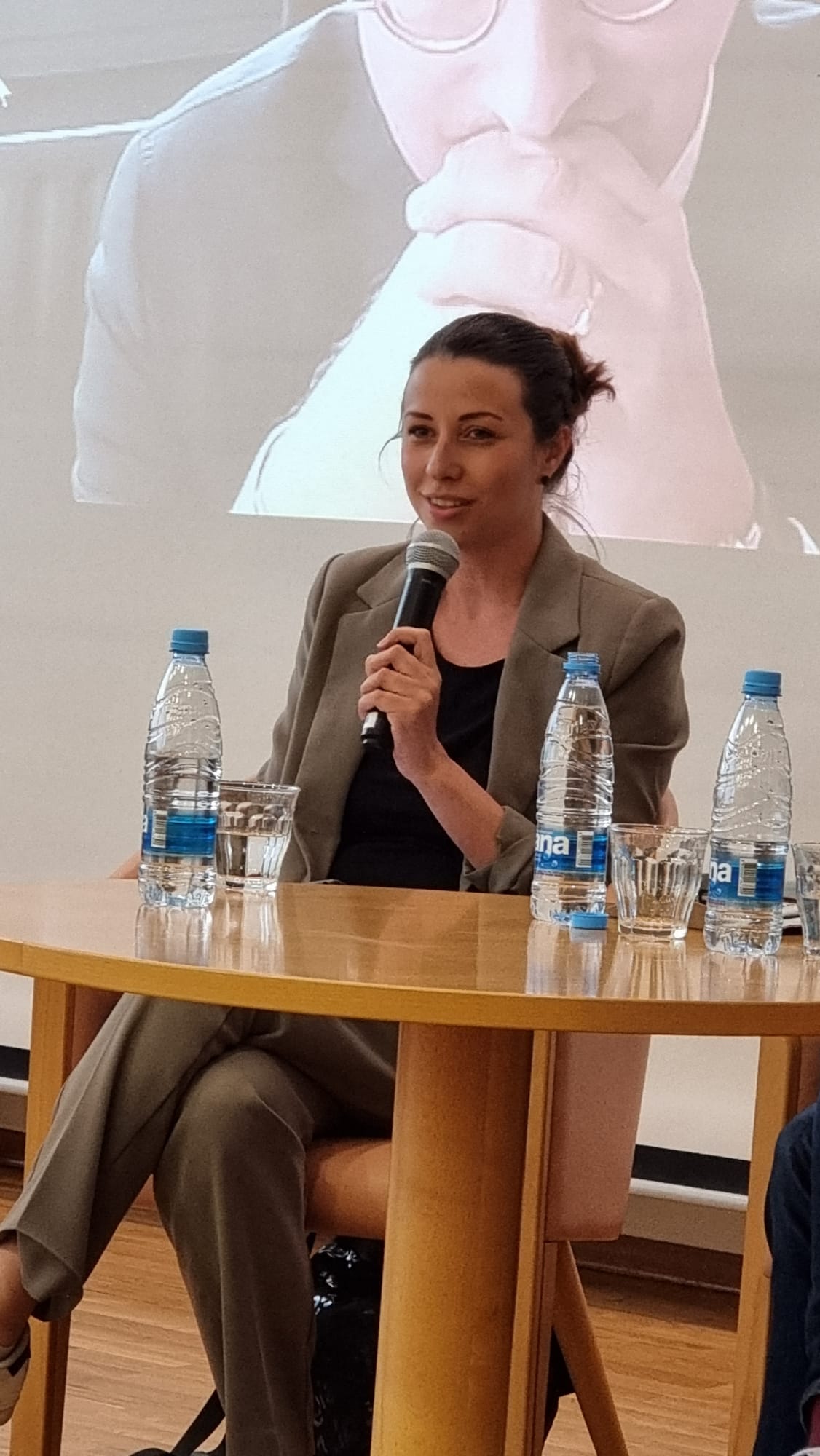
On Monday, 27 February 2023, MEP Irena Joveva attended a meeting of the Committee on Culture of the National Assembly to discuss the (non-)use of the Slovenian language on online digital platforms and operating systems in Slovenia. The members of the Committee unanimously adopted a resolution supporting the MEP’s efforts and welcomed the envisaged amendments to the Public Use of the Slovenian Language Act. The MEP began her speech on a personal note, stressing in particular that all companies present on the Slovenian and, by extension, the EU market must respect our country and our language.

Joveva began by explaining what moved her to take action: “Full sorry. These are practically the only two words in the English language that my father knows – or understands. /…/ I can see his desire to keep up with the times, which translates into keeping in touch as easily as possible not only with me, but with people in general, with civilisation. And what good do these two English words do him, if he wants to keep up with the times and watch something on Netflix, for example? Or watch Disney+ cartoons with his granddaughter? Or, why not,  buy an Apple product? Basically, all I can say to him is, again, ‘full sorry’, but you just can’t have or watch that. Or you can watch it, as a matter of fact, but you won’t understand it. Full sorry.”

Next, Joveva took a broader perspective, because it is not only about the elderly, people who do not speak foreign languages, it is also about young people, and primarily about the deaf, the hard of hearing, the blind, the visually impaired… Therefore, the MEP launched the Po slovensko, hvala (In Slovenian: Hvala) initiative, by first sending public letters to the CEOs of certain companies.

“I can watch Netflix, Amazon prime, Disney+, I can own all kinds of Apple devices and have no problems understanding or using them. But – why should any of us have to settle for the fact that we can’t use them in our mother tongue?”

Joveva emphasised that in the future the transition to the digital world will be even more significant and that foreign language skills are always welcome. Still, discrimination of languages by multinationals is accompanied by many negative consequences. She pointed to the degradation of the standard Slovenian language and added that offering Slovenian in the digital world would not least financially support local translators and demonstrate the companies’ respect for the language, culture and country in which they operate.

“Language is a living thing, but that doesn’t mean we shouldn’t care if it is not respected. /…/ If a company comes to offer its content or products on the Slovenian market, and, by extension, on the European Union market, it must respect the language of that market. Slovenian is an official language of the European Union. It doesn’t matter whether we are talking about the physical or digital world, there shouldn’t be any difference on that account.”

Even if people decided not to use these companies’ services out of protest, this would not solve anything, believes Joveva: It is my right and my choice to use my mother tongue in my home country.”

She called for unity and reminded the participants that the Public Use of the Slovenian Language Act is outdated and flawed, and hopes, therefore, that the basis for the amendment to the Act, which is being prepared by the competent ministry and which, according to them, will soon be presented for public debate, will be good.

She furthermore referred to the EU Audiovisual Media Services Directive, which prohibits discrimination but fails to explicitly mention discrimination based on language. She announced that this will be noted in the forthcoming report on the implementation of the directive, which is to be adopted by the European Parliament’s Committee on Culture in the near future. As examples of good practice, the MEP cited other languages with fewer speakers, such as Icelandic, Basque, Catalan and Galician, which have managed to achieve presence and equality in the digital world. She also said that there were foreign companies in Slovenia that do offer their content in Slovene.

“The (small) size of a market does not justify discrimination of a language and culture. If companies refuse to accept this freely, it will have to be dealt with differently. There is no need for us to simply be grateful that these service providers are present on our market. Of course, it’s good that they are, but they need to respect Slovenia and the Slovenian language.”

She also explained that she had already had meetings with some company representatives, but they had made it very clear that they had no plans to extend their offer to Slovenian in the near future: “Because they don’t have to. Because there is no pressure on them to do so, as there is no legislation to that effect. So, the solution is at hand.”

“Before anyone says: But then all these companies will leave Slovenia, is that really what we want, to drive companies out … Do you know what they said to me about that? That they always act in accordance with the law and that they have never left a country before. So, once again, the solution is at hand.”

The meeting was also attended by representatives of the Ministry of Culture, the Slovenian Language Service at the Ministry of Culture, the Culture and Media Inspectorate, the Fran Ramovš Institute of the Slovenian Language at the Slovenian Academy of Sciences and Arts, the Commission for the Slovenian Language in Public Use at the Slovenian Academy of Sciences and Arts, and the Slovenian Chamber of Culture.

The Committee on Culture adopted the following decisions with 12 votes in favour and none against:

  • The Committee on Culture supports the efforts of the Ministry of Culture and MEP Irena Joveva and other individuals representing institutions to ensure that Slovenian, being one of the official languages of the European Union, is used on Apple devices and operating systems and on streaming media services provided by Amazon Prime, Disney+ and Netflix, which do not offer subtitles and dubbing in Slovenian.
  • The Committee on Culture proposes that the Committee on Culture and Education of the European Parliament, within its remit, address the problem of the inaccessibility of all the official languages of the European Union’s Single Market and propose solutions to the European institutions.