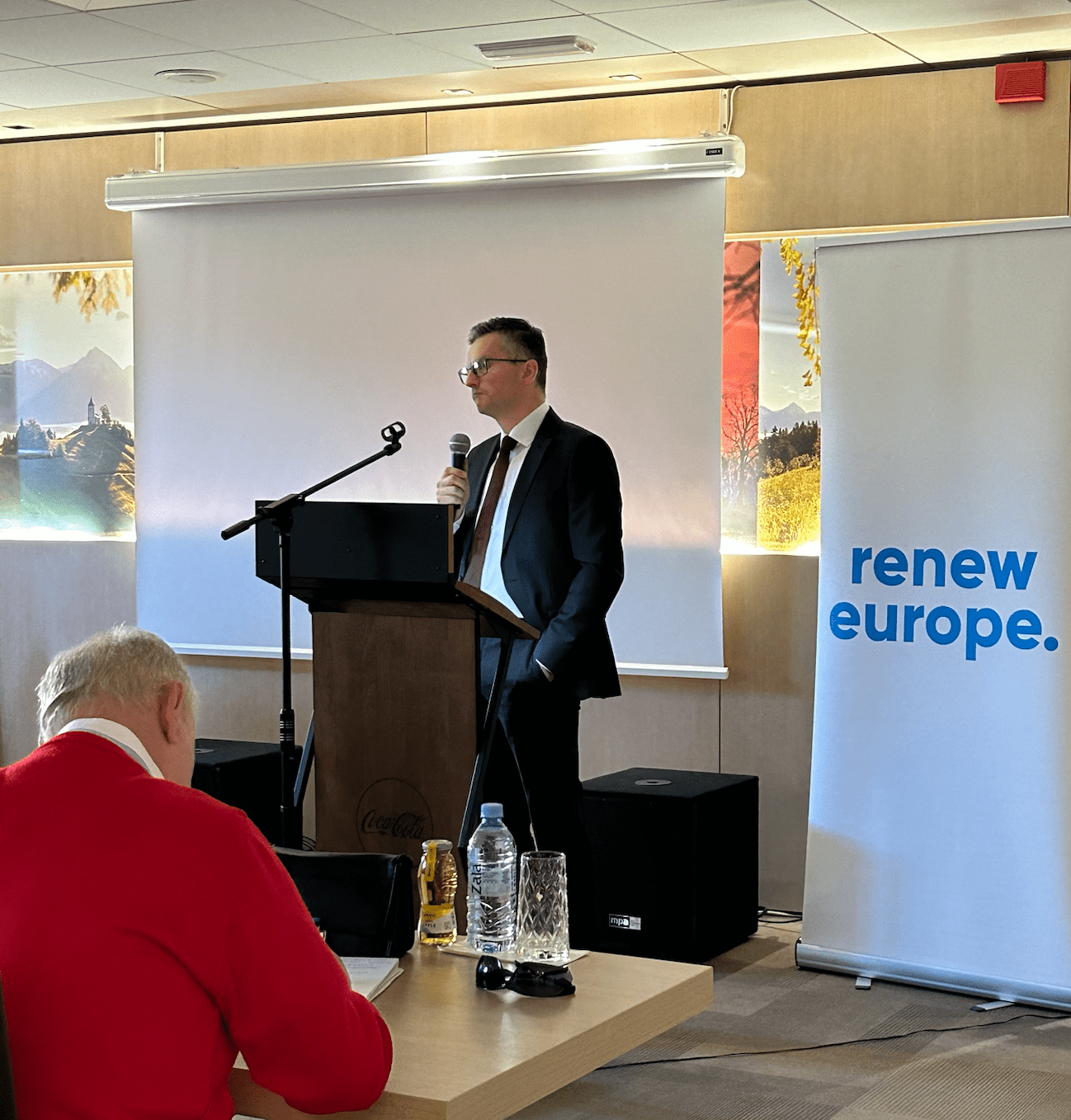
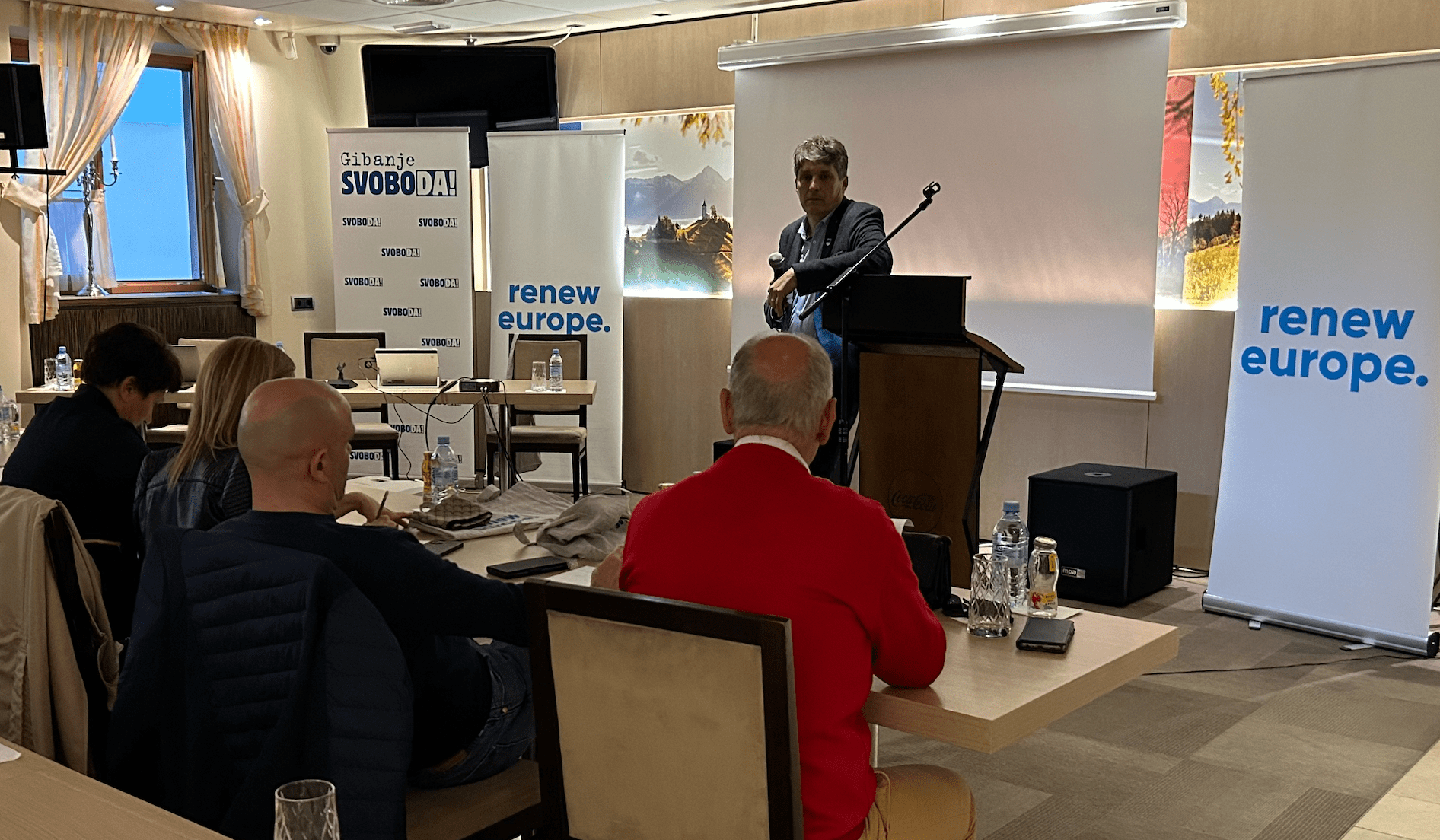
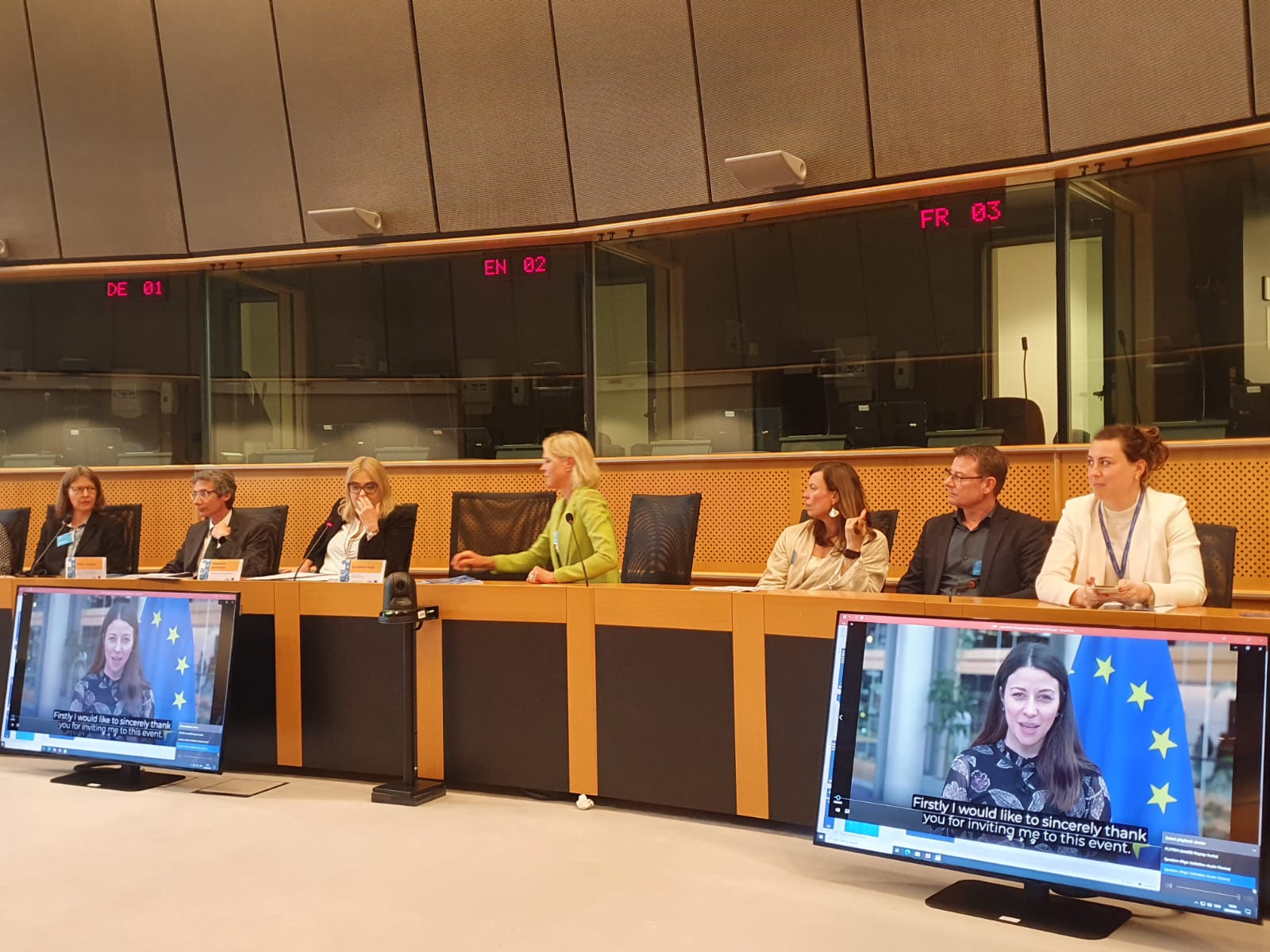
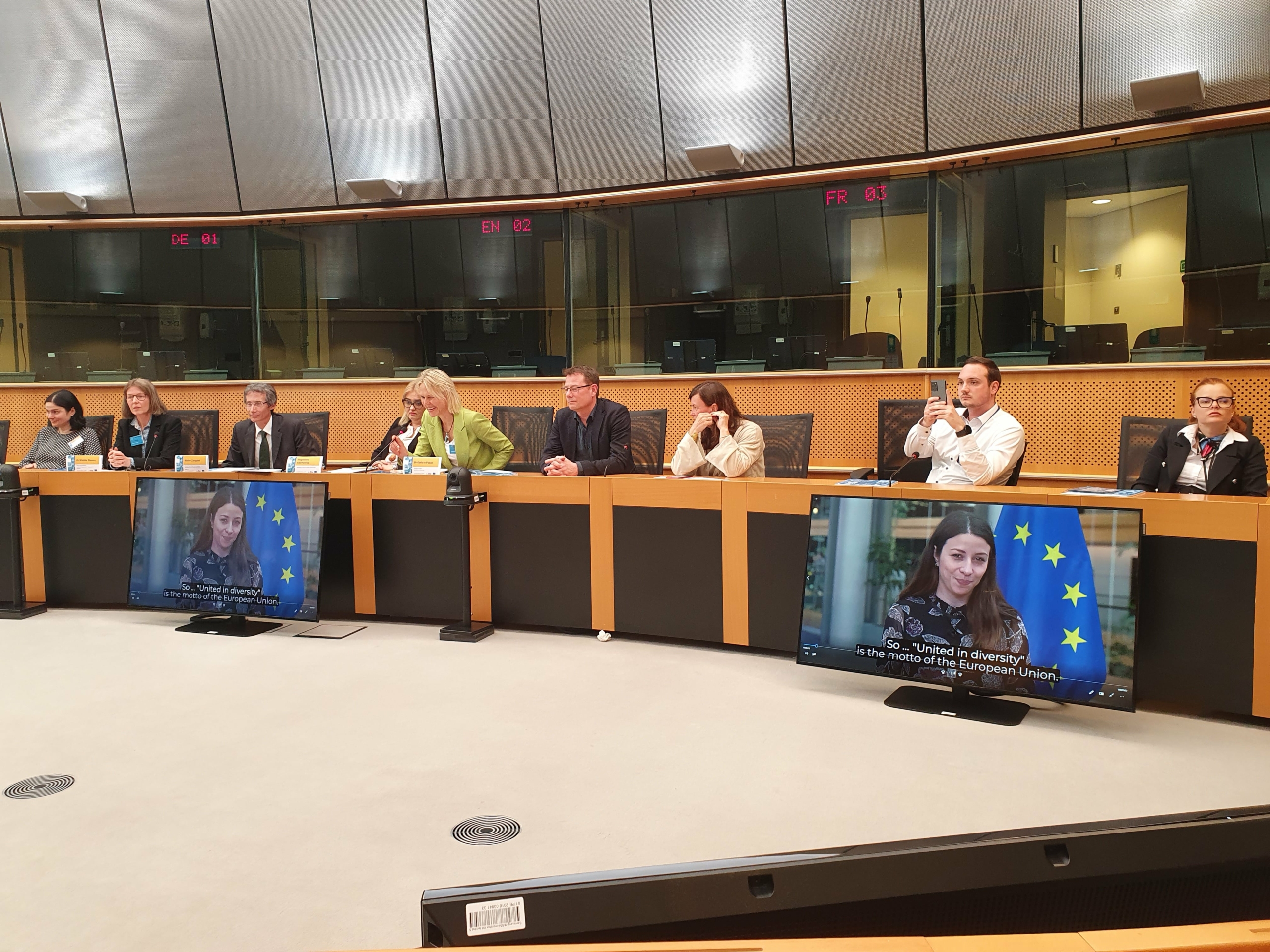
On Monday, 24 April 2023, MEP Irena Joveva visited Maribor. Together with secondary school students from the Prva Gimnazija Maribor, she first attended the presentation of didactic material on the European Union to pre-school children. The booklet introduces the meaning and purpose of the European Union to the youngest children in a simple way, through illustrations of a coin called Eurok. The MEP went on to meet key regional players in the field of education and volunteering.  

Meeting at the Prva Gimnazija Maribor

In thinking about what they could accomplish within the framework of the European Parliament Ambassador School programme, the Prva Gimnazija Maribor students realised that there were no materials that would introduce the European Union to Slovenian Kchildren in simple terms. They took the initiative and created the character Eurok, which MEP Joveva, on behalf of her political group Renew Europe, supported financially.

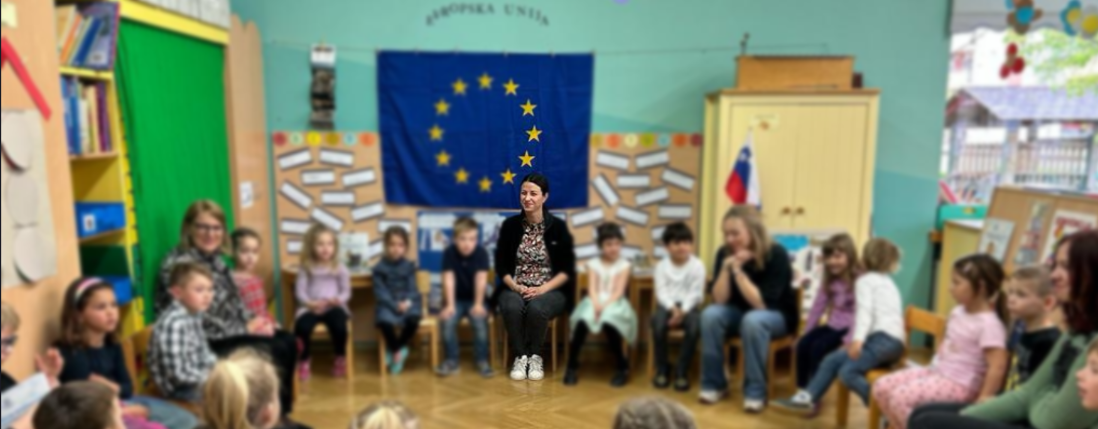
Together, they handed over the booklets to the kindergarten children of the Boris Peče Maribor kindergarten, which held a special session. It was opened with Ode to Joy, the anthem of the European Union, which was followed by a conversation with MEP Joveva, who asked the children questions about the European Union and was pleasantly surprised about everything they knew: the number of Member States, the common euro currency, and also that the European Parliament is a place where MEPs vote and debate. The children were most astonished when the MEP told them that she commutes to work by plane.

Session at the Boris Peče Maribor Kindergarten

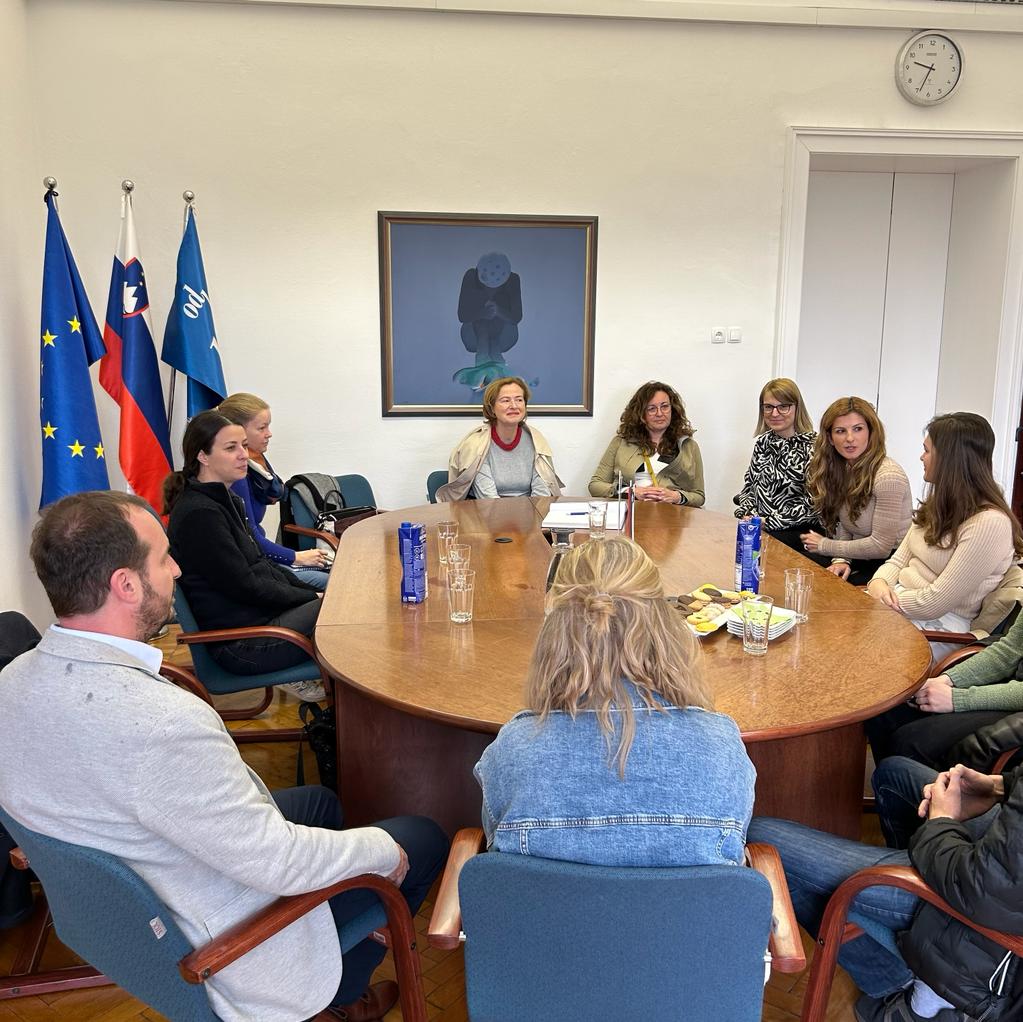
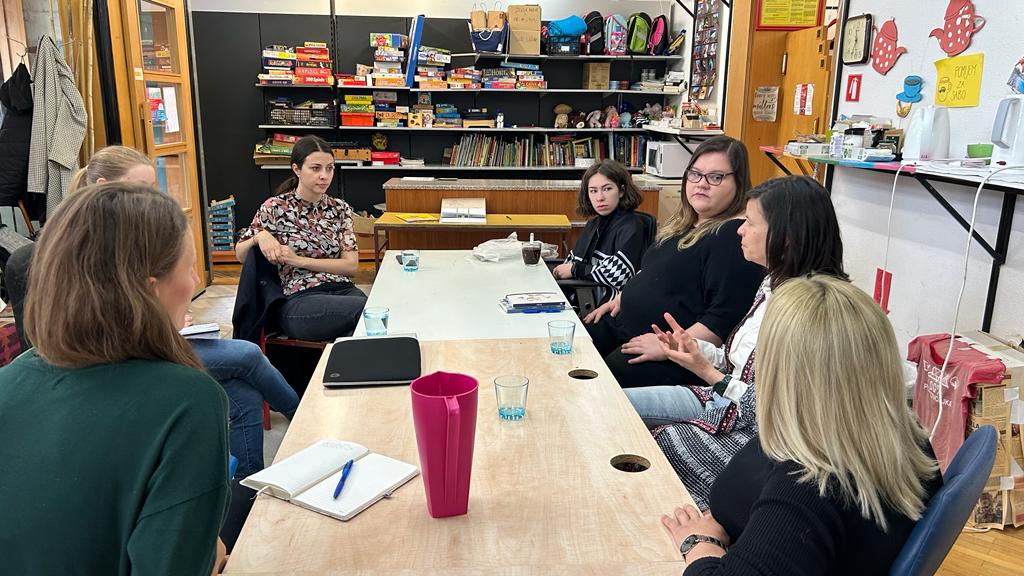
She then met with representatives of Slovene Philanthropy Maribor and the Pekarna Magdalenske Mreže NGO to discuss the challenges in the field of volunteering and the implementation of the European Solidarity Corps programme in practice. A key challenge they mentioned is the lack of resources to recruit coordinators who would be available to volunteers not only to deal with administrative matters, but also to support them in terms of discussing their mental health concerns. This is observed as a growing need. Joveva said that mental health is one of the priority areas that she will be covering within the Public Health subcommittee.

Meeting with representatives of Slovene Philanthropy Maribor and Pekarna Magdalenske Mreže

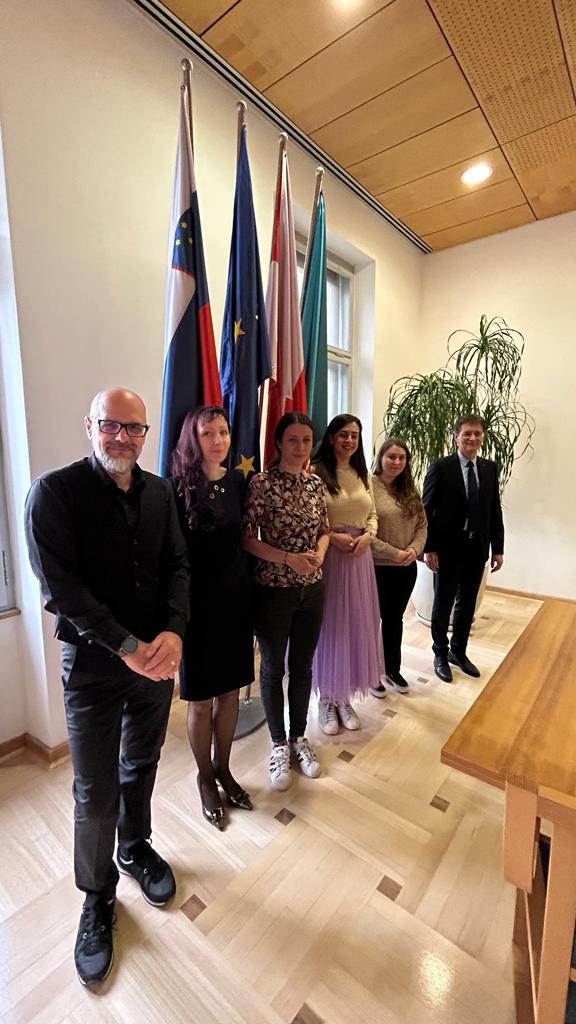
Meeting with the leadership of the University of Maribor

In the afternoon, the MEP also met with the University of Maribor leadership. The meeting focused on European higher education, its challenges and international opportunities. They stressed the importance of cooperation in the European Union in the field of science and higher education, which will lead to appropriate education, the creation of new professions, more competitiveness and the economy’s further development. They also discussed the common European Education Area, which has great potential but is also constrained by a lack of competences at the European level. Various transnational projects were highlighted, including the European Degree, the European Student Card and paperless Erasmus. These initiatives go beyond national contexts and allow for federal integration at the European level with more cooperation and competitiveness.

MEP Joveva concluded her visit by saying that the European Union must support effective education, which is the only way to truly prepare ourselves for the challenges ahead and for all the new skills and professions that will shape our future.


“In all Member States we are seeing issues in healthcare systems. There are shortages of doctors and medicines in every state. It is a common EU problem,” said MEP Irena Joveva, Vice-Chair of the Subcommittee on Public Health (SANT), speaking to the Czech portal Zdravotnicky denik. This is just one of many important public health issues that need to be addressed. It is for this reason that in her view a standing committee on public health is needed, just as it is necessary to create a European Health Union.

MEP Joveva began by explaining that the establishment of the SANT subcommittee was a much-needed step in the evolution of public health policies in the EU. The primary focus of her work in this area will be securing public health as a whole: she will work to ensure that healthcare is accessible, affordable and does not discriminate. Even though public health is a Member State competence, issues are not limited to individual states, rather they have grown into a common EU problem, she pointed out.

The same problems have been prominent for years, if not decades, and it is high time the Union steps in and helps solve them. That is one of the reasons we started forming the European Health Union.

Among other things, Joveva explained that her focus will primarily be on improving mental health policies across the European Union. She believes that we need a more organised approach to tackling this critical issue, especially among young people.

She went on to stress that the discussions and the final report will be extremely important in outlining the changes needed to ensure appropriate and effective public health policies.

The report will outline the basic actions needed for improving public health, highlight the main issues and provide guidelines for the required legislation. It will thus present a well-rounded and good basis for future health policies. I only hope that the future Commission will consider it when drafting new proposals.

Joveva shared with the journalist that EU politicians are currently working on legislation to establish a European Health Data Space (EHDS), which is undoubtedly crucial for ensuring the much-needed cooperation between Member States and is an essential step in creating the European Health Union. Currently, this is the most important proposal, but it will be overshadowed by the upcoming pharmaceutical package, which has been very controversial since the European Commission began drafting it. According to Joveva, access to affordable medicines is essential for the functioning of our health systems, and we therefore need to ensure that prices are managed accordingly: “It might be expedient to arrange a EU joint procurement and distribution between Member States so that everyone has equal access to medicines in the common market.”

She concluded the interview by noting that during the current term of the European Parliament the Committee on the Environment, Public Health and Food Safety (ENVI) has achieved major improvements in the area of environmental policies and in tackling issues related to the global pandemic. In the face of crisis, however, the need to separate two policy areas that are both crucial for our future – environment and health –became evident. The MEP expressed her conviction that this will be one of the results of the SANT subcommittee – the actual establishment of a permanent, independent committee responsible for all (public) health policies.

Photo: Jan VAN DE VEL

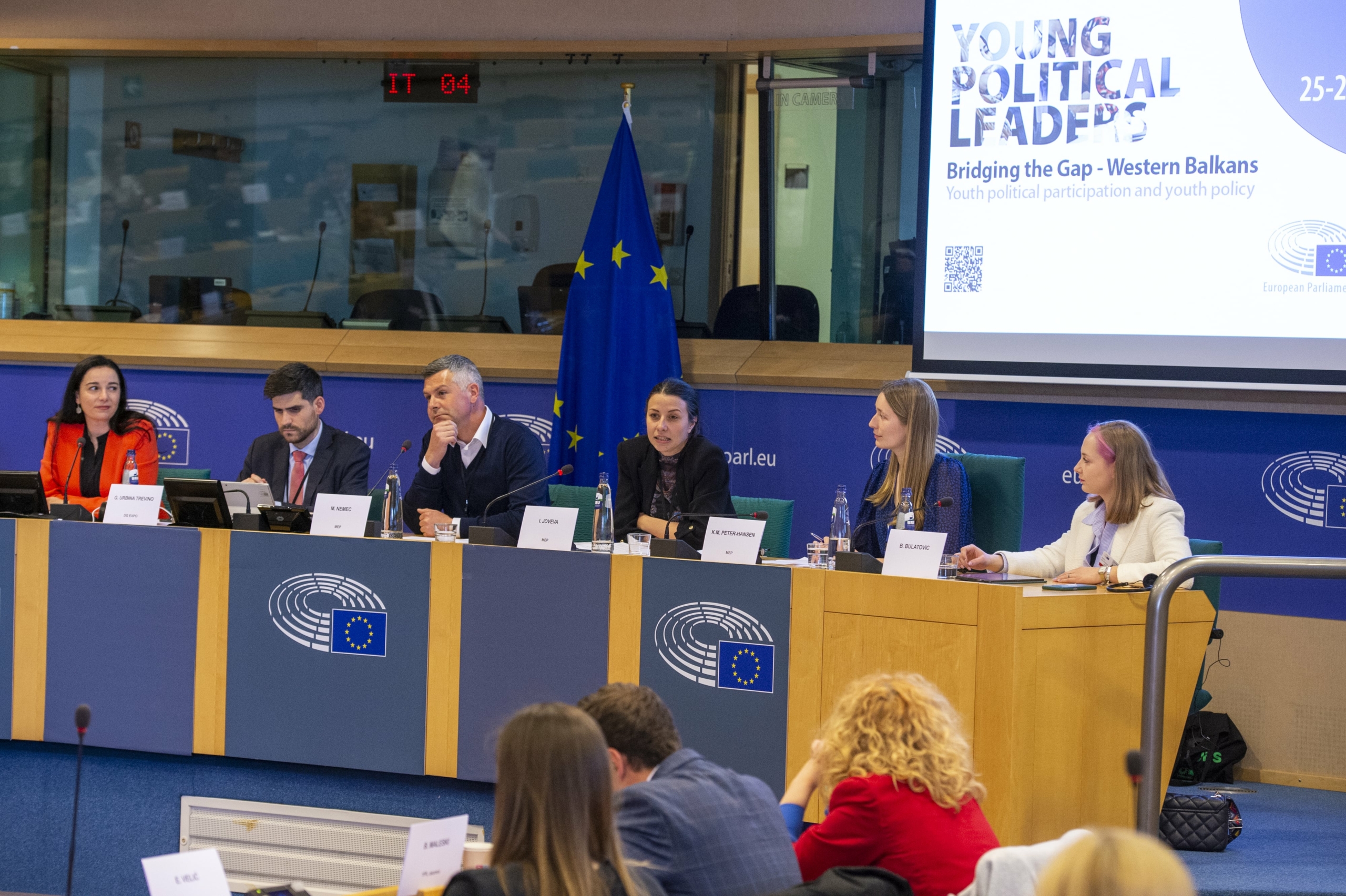
On Wednesday, 26 April 2023, MEP Irena Joveva attended the 3rd Young Political Leaders’ conference, this time organised under the title Bridging the Gap – Western Balkans. The event aims to reinforce youth engagement in politics through discussions on issues such as the role of youth in the enlargement process, green transition and disinformation. The MEP underscored that the voice of young people needs to be strengthened and incorporated into decision-making processes at all levels.

MEP Joveva began by mentioning the importance of cooperation, setting shared goals, and a common path for the Western Balkan countries towards the European Union. She expressed the wish that we will one day see the Western Balkan countries competing with each other in the number of reforms introduced for the benefit of the people and, primarily, in showing support for their neighbours.

”This is the only way leading to a win-win scenario, according to which the region – as a whole – will move ever closer to the European Union.”

She called for cooperation and an end to the ethno-nationalisms that still plague the region.

”Following the European Year of Youth, we want to underline that young people still remain at the heart of the European Union’s policies. It is my strong commitment to enhance the involvement of young people from the region as partners in dialogue with the Union, because the future really is yours. We need to amplify the voice of young people and ensure that the policies reflect what matters most to you. We need to push for more regional initiatives that concern young people and to increase the role of national parliaments in this.”

Foto: Eric Vidal

In addition to MEP Joveva, the panel on regional cooperation in the field of youth included MEPs Matjaž Nemec (S&D) and Kira Marie Peter-Hansen (Greens), Berina Bulatović from the Youth Council of BiH, and Klajdi Priska, Policy Officer at the National Youth Congress of Albania.

On Wednesday, 19 April 2023, MEP Irena Joveva spoke at the plenary session in Strasbourg on the EU Global Health Strategy. Stressing the importance of solidarity and of helping everyone in need, particularly in health care, she added that in implementing EU strategies, institutions should not forget to resolve our issues.

Joveva’s opening remarks were critical of the fact that it took thirteen years and a pandemic to happen for the Commission to present a new global health strategy.

“But well, at least we got it. It is well-designed and, if implemented successfully, it will position the Union as a leading geopolitical power in the field of health.”

Joveva strongly supported this objective, but asked those present in the Chamber, and in particular the European Commission, whether the European Union is actually, and not only in theory, ready for a Health Union, which, in plain language, means transferring health competences from the Member States to the European level.

​​“Without this, it is difficult to set strategies for building effective health systems, while within the Union these are under immense pressure and in some places even falling apart. I believe in solidarity and I support helping everyone in need, including – or especially – in health care. But in pursuing our strategies, we must not forget to resolve our issues.”

You can watch MEP Joveva’s speech in Slovenian here.

On the European Union’s Global Health Strategy:

At the end of November 2022, the European Commission adopted a new EU Global Health Strategy to improve global health security and deliver better health for all in the fast-changing world. The strategy will strengthen the EU’s leadership and responsibility for tackling key global challenges and inequalities in the field of health care and health.

The main interrelated priorities in dealing with global health challenges set out in the strategy include: delivering better health and well-being of people across the life course, strengthening health systems, and combating health threats, including pandemics.

The strategy seeks to regain the ground lost to reach the universal health-related targets in the 2030 Sustainable Development Goals.

It is also one of the essential pillars of EU foreign policy and central to EU strategic autonomy. It aims to enable better preparedness and faster response to health threats, while promoting sustainable partnerships of equals, drawing on the Global Gateway.

You can read the full EU Global Health Strategy here.

On Wednesday, 19 April 2023, during the Strasbourg plenary session, MEP Irena Joveva contributed to the topical debate Keeping people healthy, water drinkable and soil liveable: getting rid of forever pollutants and strengthening EU chemical legislation now. She said that there has been enough delay in the overhaul of the Registration, Evaluation, Authorisation and Restriction of Chemicals (REACH) Regulation. Should an immediate proposal remain outstanding, the European Commission’s empty promises will remain just that – empty, she stressed.

Joveva began by summarising the essence of the plenary debate: the fact that basic goods such as clean water, safe food, unpolluted soil and clean air should be a given. The Union is right to pay a great deal of attention to these areas, but at the same time it shies away from regulating chemicals, where, as Joveva pointed out, there have been no serious amendments since 2006, when the still applicable Regulation on the Registration, Evaluation, Authorisation and Restriction of Chemicals (commonly known as REACH) was adopted.

”The (European) Commission has been seemingly promising its revision for three years now. It appears that the proposal will only be presented in the final quarter of this year, just a few months before the elections. Which means that these empty promises will remain just that. Empty.”

As Joveva elaborated, in the meantime, humans and other organisms will continue to be exposed to harmful chemicals, the negative effects of which will last for decades.

But given that all measures that have been or are being taken in the EU to protect the environment and health succeed or fail depending on closely interconnected areas that remain unregulated, Joveva concluded her speech with determination:

”Enough stalling. We need a revised REACH proposal now. While we still have time to adopt it.”

You can watch MEP Joveva’s speech here (in slovenian).

BACKGROUND

Chemicals are part of our everyday lives and are present in the products we use and in the high-tech materials needed for a circular and climate-neutral economy. The 2006 Regulation on the Registration, Evaluation, Authorisation and Restriction of Chemicals (commonly known as REACH) is the cornerstone of the European Union’s chemicals legislation. This Regulation aims to ensure a high level of protection of human health and the environment. A targeted revision of the Regulation is currently planned for the fourth quarter of 2023.

On 14 October 2020, the European Commission adopted the Chemicals Strategy for Sustainability. The Strategy is part of the European Union’s zero pollution ambition – a key commitment of the European Green Deal. Through the strategy, the European Commission aims to better protect citizens and the environment from harmful chemicals and to stimulate innovation by promoting the use of safer and more sustainable chemicals. However, given that this is only a strategy, it is not legally binding on Member States.

On Monday, 18 April 2023, MEP Irena Joveva appeared as a guest of the Jezikovni Pogovori (Language Talks) programme on Slovenia’s Radio Ars. She talked about how important it is that the Slovenian language is present in the digital world and about her fight in this respect, stressing that this should not be an ideological issue, and that it requires pushing and tenacity.

Responding to the first question of why and how she had managed to reach Apple’s management, Joveva replied that she had first written to online streaming platforms and then extended the call to the said company, because although the issues are similar, the considerations differ from provider to provider.

“The Slovenian legislation is about to be revised and might introduce changes that will compel companies to move faster with the localisation into Slovenian, which they have been promising.’’

Regarding her meetings with representatives of Netflix, Disney and Apple, Joveva said that the latter had shown the greatest degree of earnestness, as they were well familiar with the subject-matter. Although they prefer not to disclose a specific timeline, the MEP believes that it was due to the pressure from different sides that the companies increased their level of engagement.

Asked whether companies were simply trying to buy time by taking this approach, the MEP replied that one will simply need to insist.

“Anyhow, we share the same goal. Theirs is to stay in Slovenia and reach people through the Slovenian language, and ours is to ensure the equality of Slovenian in the digital world as an official language of the European Union.’’

Joveva was very clear with the representatives of Apple that she will keep a close eye on the progress and that they will stay in touch. She remains optimistic because of the companies’ fear of negative publicity. As to whether the initiative could be supported by the entire political spectrum, she replied:

“I hope – and at the moment it seems so – that this topic will not be used for ideological or political battles. After all, the Committee on Culture (in the National Assembly) consists of representatives of different parties, and they unanimously adopted the resolutions of the meeting.’’

Joveva also spoke about the importance of linguistic diversity for the European Union.

“We have already established that linguistic diversity is a fundamental value of the European Union. This is clearly demonstrated by the European institutions, where all 24 official languages of the European Union – including Slovenian – are on an equal footing. In the European Parliament, the MEPs from larger countries acknowledge the significance of this..’’

Joveva pointed out that linguistic diversity, in its general meaning and purpose, is highlighted by and incorporated into different pieces of European legislation, wherever possible. She explained to the multinationals that current pressure could be followed by a hearing in the competent committee of the European Parliament, the Committee on Culture.

“The issues and challenges are not limited to languages only. In the event of a hearing, these companies would need to explain many other things.’’

In her closing remarks, she said that she is glad that so many people are flying the flag for the Slovene language and, above all, that their initiatives have been taken up by politicians. She is determined to keep pushing, to be tenacious and to work on legislation – including at the European level.

In addition to the MEP, the programme also hosted Lenart J. Kučić, Media Adviser to the Minister of Culture. You can listen to the full programme in Slovenian here and on Spotify, and read an article about the conversation on RTVSLO.

“Knowledge has always been and always will be power. Seize it and use it to your advantage,” MEP Irena Joveva urged the young participants in a video address during the Citizens’ Dialogue event on 14 April 2023 in the Austrian province of Carinthia. The event brought together Austrian and Slovenian secondary school students in the framework of the EU Future Talks events.

They discussed the topic of “the European Year of Skills: My Opportunities in the Alps-Adria Research Area”.

A unique aspect of EU Future Talks is that young people can speak directly to politicians, experts and non-governmental organisations. The event also featured a video address by MEP Irena Joveva, who said that EU policies are not only changing our daily lives, but also industry and the labour market. “The latter is facing huge challenges and opportunities; there is a huge digital skills gap among adults, and currently less than 37% of them are actively working to improve their skills.”

The MEP stressed that skills shortages in the labour market must be addressed by organising training and education programmes to reskill and upskill the workforce in line with labour market requirements. She explained that she was drawing attention to this, especially as the young participants in the event were at an age when they were choosing their educational path and thus their future and career.

The European Union offers many opportunities through programmes such as Erasmus+, the European Solidarity Corps, Discover EU and Horizon Europe. “Make the most of these programmes”, she urged young people.

“All of these programmes and many more have been set up for you to learn, to acquire new skills or simply life experiences that will enrich your lives and to give you valuable knowledge that will help you in the future. Knowledge has always been and will always be power – seize it and use it to your advantage.”

The event was also attended by Peter Kaiser, Chairman of the Austrian Social Democratic Party in Carinthia, Martin Polaschek, Regional Minister for Education, via a video message, and Anna Seip from the European Commission’s Directorate General for Education and Culture (EAC).

A short video summary of the event (in German and English) can be found here.

In the Šaleška region weekly Naš čas, published on Thursday, 6 April 2023, MEP Irena Joveva spoke about her personal life, her work in the European Parliament, the priorities of her political group Renew Europe and her visit to Velenje. She also stressed the importance of drafting the European media legislation, where she is involved as one of the rapporteurs: “Quite simply, if media freedom is eroded, democracy falls.”

The interview began with slightly more personal questions and Joveva answered that she has always lived her life in accordance with the European Union’s motto ‘United in Diversity’. She would describe herself as an altruist, who cannot stand injustice, a know-it-all attitude and hate speech, and she wakes up every day wanting to be a good role model.

‘‘Every night I wonder if my late mother would have been proud of me. I believe and feel that she would be, because I remain true to myself, to my voters and my values..’’

In continuation, the MEP presented her work in parliamentary committees. One of them is the Committee on Culture and Education, where she acts as a rapporteur for Renew Europe on the European Media Freedom Act. The debate currently revolves around the guidelines and proposed amendments to the Act, with negotiations on the final text to follow.

Under the same committee, Joveva is involved in ensuring quality education, lifelong learning and volunteering. She is also a member of the Committee on Employment and Social Affairs, where she is particularly committed to the topics of equal pay for equal work and a ban on unpaid EU traineeship. In addition, she is active in the Special Committee on the COVID-19 pandemic, the Committee on the Environment, Public Health and Food Safety, and recently became Vice-Chair of the Subcommittee on Public Health. In the latter, she wants to focus on equal access to healthcare and mental health issues.

The interview also touched on the MEP’s fight for the equality of the Slovenian language in the digital world. The Ministry of Culture intends to overhaul the legislation, while Joveva, meeting with representatives of the companies that discriminate against Slovenian, made clear that she intends to persist for as long as it takes. When asked where her drive for this subject comes from, she replied:

‘‘From a very personal experience with my father who does not speak English but wishes to – and rightly so – keep up with the times. /…/ Then I took a wider perspective and thought about young people, the blind, the visually impaired, the deaf and hard of hearing. They are all discriminated against because certain foreign companies have decided that they are not obliged to respect Slovenian, an official EU language, on the Slovenian, i.e. EU market. This is unacceptable.’’

Joveva also referred to recent reports of corruption in the European Parliament:

‘‘There is no excuse for these actions. They need to be investigated. Such deeds are beyond my comprehension. For me, transparency always comes first, and I have set the strictest possible rules for myself and my team.’’

Concluding the interview, Joveva also touched on her work related to the Western Balkans, as she is also Vice-Chair of the parliamentary delegation responsible for relations between the European Parliament and North Macedonia.

‘‘There has long been too much empty talk on the European side. We cannot just talk, promise and even dictate, while giving nothing. Of course it is right to demand reforms and set certain conditions, but what we promise must be delivered. The Western Balkans are and must be part of the EU’’

On Friday, 7 April 2023, MEP Irena Joveva appeared as a guest of the national TV show Koda (Code). In the feature When will all phones, car systems and video libraries speak Slovenian? she talked about her efforts to ensure that the Slovenian language is offered by various digital platforms, and stressed that discrimination against Slovenian should not be allowed anywhere. We should not sit idly by, but insist and exert pressure, she added.

She said that most companies had responded to her appeals made in recent months. At the meetings, everyone was honest and direct, and representatives of Netflix and Disney admitted that they were not currently considering any changes in the near future that would involve expanding their offer to include Slovenian, but that they were aware of the issue and understood it. Nevertheless, the MEP is convinced that the solution is not to sit idly by, but to confront the situation with serious intentions, calls and warnings. We must not stop, she insisted.

Indeed, it is precisely through such pressure that other smaller nations and countries, such as Iceland, managed to achieve that the content is offered in their respective language.

”This proves that it can be done. That a small market or fewer people speaking a language may not serve as an excuse.”

The MEP also said that Article 20 of the Public Use of the Slovenian Language Act is appropriate and clear enough in its current form, stipulating that companies are obliged to offer Slovenian, but that it can evidently still be circumvented. Joveva therefore welcomes the additional pressure that the revised legislation will create.

”We need to ensure that it can no longer be interpreted according to one’s liking. It needs to be worded very clearly in the sense that discrimination of Slovenian should never be allowed – not even in the digital world.”

The show also featured comments by Anže Tomič, co-creator of the Odbita do bita podcast, Kozma Ahačič, Head of the Fran Ramovš Institute of the Slovenian Language, and Lenart J. Kučić, Media Advisor to the Minister of Culture.

On Friday, 7 April 2023, MEP Irena Joveva took part in the Odkrito z odločevalci (Openly with Decision-Makers) discussion with secondary school students from the Gimnazija Nova Gorica. The young audience presented their initiatives for action in the areas they had highlighted as the most topical during workshops. The MEP applauded their choice of topics as excellent and relevant, and welcomed their good suggestions.

The content of the debates was based on the goals defined in the EU Youth Strategy 2019–2027. Out of the 11 goals set out in the Strategy, the students chose four: Connecting EU with Youth, Equality of All Genders, Quality Employment for All, and Mental Health & Well-Being.

In order to implement the Strategy in relation to the goal of Connecting EU with Youth, the students proposed stimulating youth participation through referendums on youth issues which would be open to everyone aged between 16 and 25 years of age. MEP Joveva agreed that young people absolutely need to be involved in decision-making processes (to a greater extent), but that the concept of European-level youth referendums would not be feasible in practice. She added that it would be possible to lower the voting age to 16, as is already the case in some EU Member States, but argued that this would presumably not – at least not sufficiently – enhance participation among people. “It is up to us, politicians, to demonstrate and prove to you that we work to serve your interests, that we are here to listen to you and respond to your demands where we can. To be good role models. This is what will drive greater participation and this is what I am trying to put into practice on a daily basis,” she said.

Poto: Matjaž Mačus, young EP ambassador, student of Gimnazija Nova Gorica

As to the goal of Quality Employment for All, the young people made several suggestions, including a job shadowing scheme. This would allow final year secondary school students to learn about different jobs that match their desired education. The MEP supported the proposal and explained that such a mechanism already exists at EU level: “There is a cross-border programme within Erasmus+, which focuses on quality jobs, exchanges of good practices and additional training for young people before they enter the labour market through financially supported work placements.” She stressed, however, that participation is only open to applicants of legal age, which has to be taken into account.

In the area of mental health, young people expressed the urgency for setting up various meetings, workshops and training sessions across European countries to exchange good practices. Joveva agreed, explaining that during the current term of the European Parliament, mental health issues have finally come more to the fore. She shared with the audience that she has been appointed Vice-Chair of the newly established Subcommittee on Public Health and that she places mental health at the top of her list of priorities.

With respect to the goal of ensuring equal pay for equal work and an equal distribution of work responsibilities, the young people proposed that for women, part-time work of six-hours be considered full-time employment. The MEP commented on the proposal by saying that if implemented, it would then discriminate against men. However, she believed that a proposal to allow for the possibility of part-time work in general, for all, would be worth considering. She did point out, however, that the EU lacks competence in this area.

Foto: Matjaž Mačus

Joveva also elaborated that the EU is taking important steps to promote equality between men and women in the workplace, with measures ranging from regulations to ensure gender balance among non-executive directors of companies to directives, for example on applying the principle of equal pay for equal work for men and women, with pay transparency and enforcement mechanisms.

Joining MEP Joveva for e discussion with the young audience on their proposals were Matej Arčon, Minister for Slovenians Abroad, Elena Zavadlav Ušaj, State Councillor, and Samo Turel, Mayor of the Municipality of Nova Gorica.